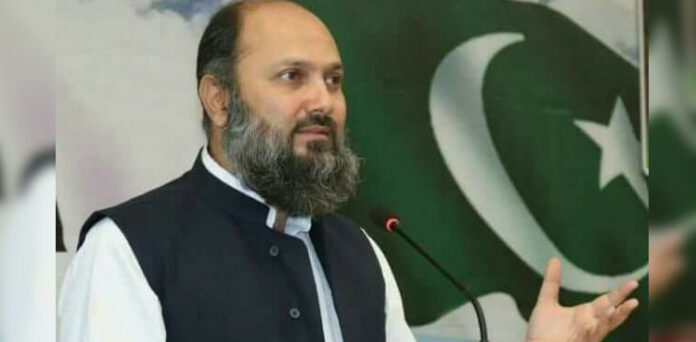
Federal Commerce Minister Jam Kamal Khan has announced an ambitious plan to raise Pakistan’s exports to $60 billion by 2030. While addressing the National Assembly, he presented the new Strategic Trade Policy Framework (STPF) 2024–30, built on consultations with 17 sectoral councils. He stressed that the plan is realistic, backed by data, and designed to address real industry problems. Kamal rejected claims that the policy was formed in isolation, saying it involved both federal and provincial coordination.
He explained that Pakistan’s private sector played a key role in shaping this plan. Problems like high production costs, unstable tax policies, and financial uncertainty were discussed and targeted. To improve trade diplomacy, Kamal said commercial attachés have now been renamed Trade and Investment Officers (TIOs). They are being selected through a competitive process. A new online portal will track their performance in real time. This digital shift aims to ensure transparency and daily progress reporting.
In terms of results, Kamal highlighted that Basmati rice exports hit a five-year high of $3.3 billion. Pakistan’s total exports now stand at nearly $30 billion. The government has also formed Pakistan’s first National Compliance Council to help exporters meet international standards. Additionally, the Commerce Ministry has hired a Head of Research to base trade decisions on solid data. For the first time, a Domestic Commerce Policy is also being introduced to boost local production.
Kamal announced several reforms to promote fairness and end favoritism in overseas postings. Two online portals are now in place to monitor trade officers. Institutions like the Export Development Fund and the Trade Development Authority of Pakistan have also been reactivated. Kamal noted that the budget provides tax relief for industries using local materials and that regulatory duties will be phased out over five years. A steering committee led by the finance minister will regularly track the reforms.
Agro-food and food technology were listed as top priorities in Pakistan’s new export strategy. Kamal proudly shared that agro-food exports reached a record $8 billion last year. He said efforts are ongoing to improve value chains and upgrade shipping infrastructure. The Prime Minister is personally overseeing tax reforms and the Pakistan Single Window Initiative. Kamal concluded by saying that the government is moving steadily toward its goals—and real, visible progress is happening every month.