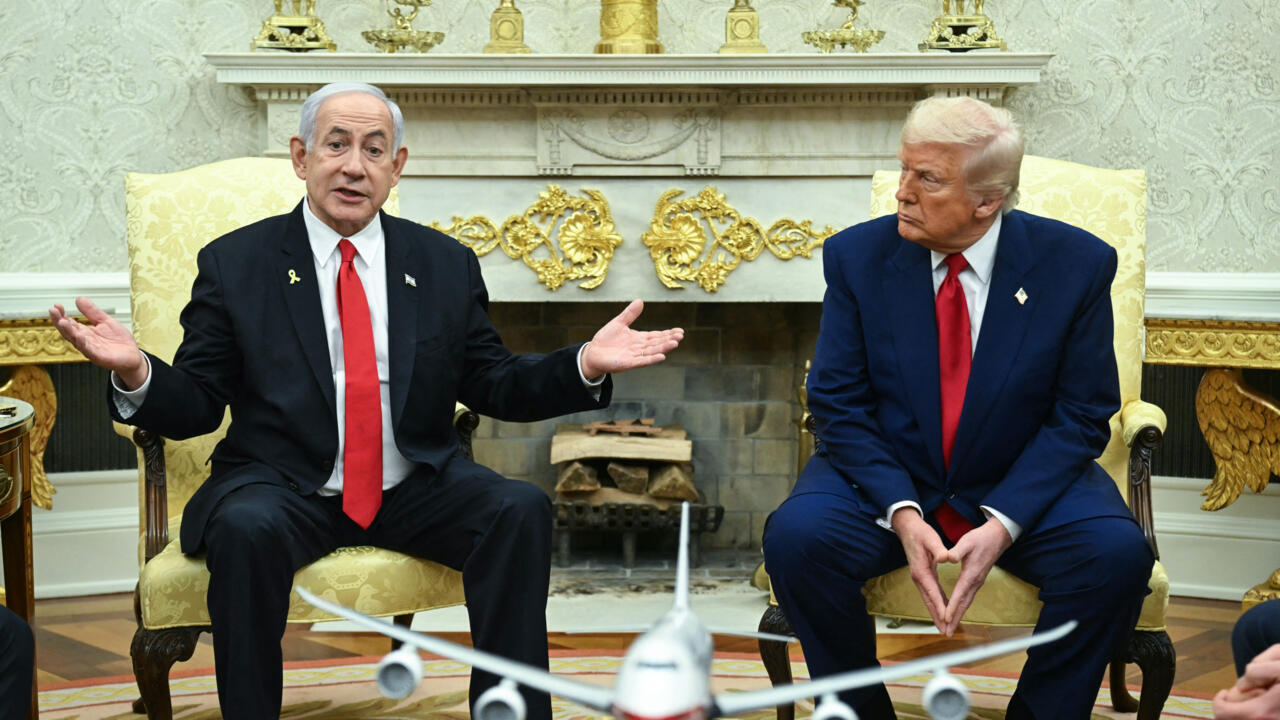
WASHINGTON – US President Donald Trump, once known for calling himself a peacemaker, has quietly supported Israel’s recent bombing campaign against Iran, signaling a major shift in his approach to Middle East conflicts. Though he initially favored diplomacy, growing pressure from allies and intelligence reports of an imminent Israeli strike pushed him toward military support.
Sources revealed that Trump was aware weeks in advance that an Israeli attack on Iran’s nuclear facilities was likely. Despite early hesitation, he chose not to oppose it. This “silent approval,” according to senior US and Israeli officials, played a key role in prompting Israel to move ahead. Behind the scenes, US military planners redirected weapons from Ukraine to the Middle East to prepare for potential escalation.
The attack on June 12, which reportedly killed top Iranian officials and damaged nuclear sites, was closely monitored by Trump and his advisers from the White House Situation Room. Although the strike was initially seen as a success, US intelligence later suggested it may have only delayed Iran’s nuclear ambitions by a few months.
Now, Trump faces a tough choice: continue diplomatic efforts, allow Israel and Iran to battle it out, or take direct military action. One option under review is a US-led strike on Iran’s heavily protected Fordow nuclear facility — a move that would drastically escalate the conflict and risk wider regional consequences.
Despite fierce internal debate, Trump has not committed to the next step. Analysts believe the lack of a clear strategy could deepen the crisis. Meanwhile, criticism is growing within his own Republican Party, with many accusing the administration of triggering unnecessary war.
As tensions rise, Trump’s long-standing image as a peace broker is being tested. Whether he chooses more force or diplomacy in the coming days will not only define US policy in the Middle East — it could also shape his political legacy.