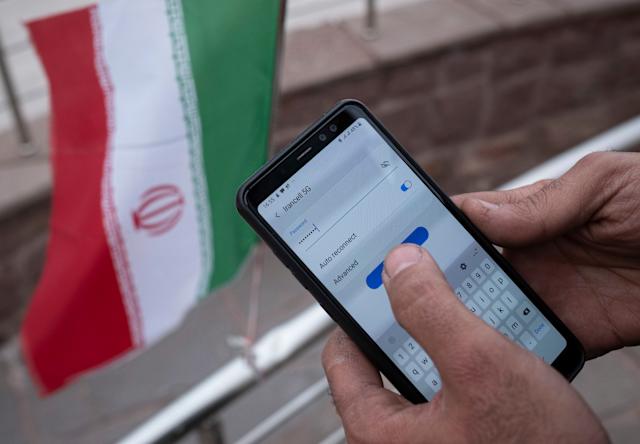
Iran has temporarily restricted internet access across the country, citing national security concerns as the primary reason for the move. The Ministry of Information and Communications Technology released a statement saying the decision was taken to prevent hostile misuse of the country’s national communication network for military purposes and to protect the lives and property of innocent civilians.
According to a report by CNN, the ministry clarified that public communication services and domestic platforms remain accessible, and efforts are underway to maintain service quality for Iranian citizens. However, international access and external online communications have been significantly limited under the new restrictions.
The move follows an alarming update from NetBlocks, an independent watchdog organization that monitors internet governance. In a recent post, NetBlocks reported that Iran is currently experiencing what it described as a “near-total internet blackout” at the national level, based on live network data collected from within the country.
NetBlocks’ data indicates a sharp and coordinated drop in internet connectivity nationwide, which typically reflects state-imposed restrictions during times of political unrest or heightened tensions. Though no specific incident has been publicly linked to the blackout, analysts believe it may be related to ongoing geopolitical or internal developments.
This isn’t the first time Iran has taken such steps — previous internet blackouts have occurred during times of mass protests or external military threats. The current shutdown raises fresh concerns about freedom of information and the impact on ordinary citizens relying on online services for communication and daily needs.