• Skip to primary navigation
  • Skip to main content
  • Skip to primary sidebar
  • Skip to footer
Trending:
  • Kashmir
  • Elections
Friday, June 5, 2026

Daily Times

Your right to know

  • HOME
  • Latest
  • Iran-Israel war
  • Gilgit Baltistan Election
  • Pakistan
    • Balochistan
    • Gilgit Baltistan
    • Khyber Pakhtunkhwa
    • Punjab
    • Sindh
  • World
  • Editorials & Opinions
    • Editorials
    • Op-Eds
    • Commentary / Insight
    • Perspectives
    • Cartoons
    • Letters to the Editor
    • Featured
    • Blogs
      • Pakistan
      • World
      • Lifestyle
      • Culture
      • Sports
  • Business
  • Sports
  • E-PAPER
    • Lahore
    • Islamabad
    • Karachi

Agencies

What is the Nipah virus and how is it treated?

Published on: September 14, 2023 5:33 PM

India’s southern state of Kerala shut some schools and offices this week as officials raced to halt the spread of the deadly Nipah virus after it killed two people in the fourth outbreak since 2018.

Here is what we know about the virus:

WHERE DID THE VIRUS COME FROM?

The Nipah virus was first identified in 1998 during an outbreak of illness among pig farmers in Malaysia and Singapore.

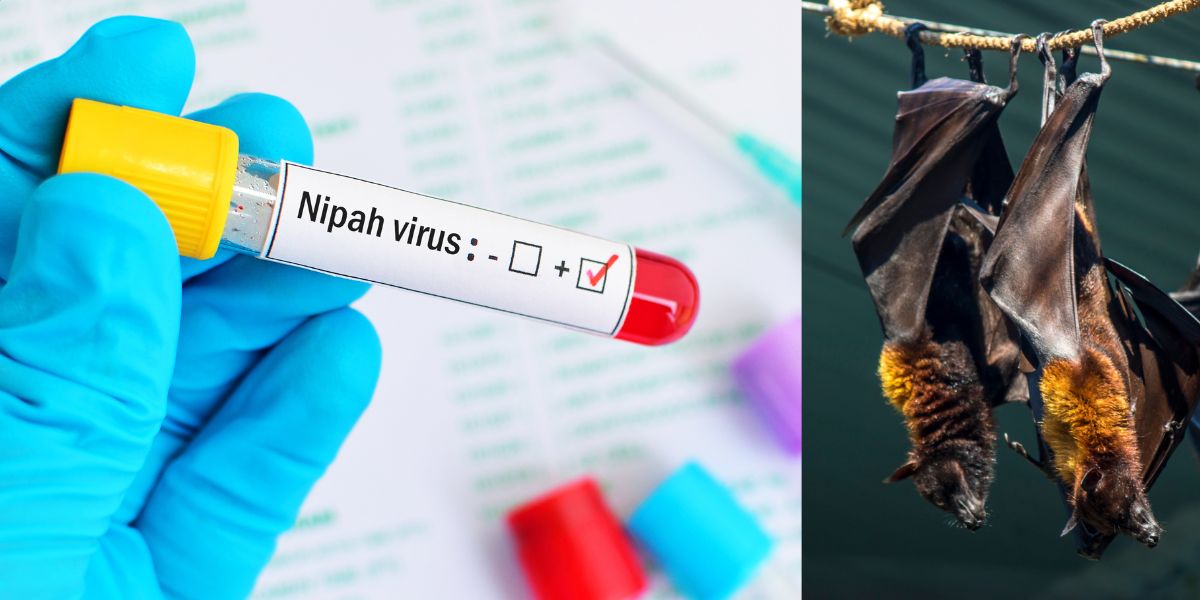
It is able to infect humans directly through contact with the bodily fluids of infected bats and pigs, with some documented cases of transmission among humans.

Scientists suspect Nipah has existed among flying foxes for millennia and fear a mutated, highly transmissible strain will emerge from bats.

HOW IS THE INFECTION TREATED?

There are no vaccines to prevent or cure the infection, which has a mortality rate of between about 70%. The usual treatment is to provide supportive care.

Infected people initially develop symptoms that include fever, respiratory distress, headaches, and vomiting, the World Health Organization (WHO) says. Encephalitis and seizures can also occur in severe cases, leading to coma.

The virus is on the WHO’s research and development list of pathogens with epidemic potential.

WHERE WERE THE EARLIER OUTBREAKS?

The 1998 outbreak in Malaysia and Singapore killed more than 100 people and infected nearly 300. Since then, it has spread thousands of miles, killing between 72% and 86% of those infected.

More than 600 cases of Nipah virus human infections were reported between 1998 to 2015, WHO data shows.

A 2001 outbreak in India and two more in Bangladesh killed 62 of 91 people infected.

In 2018, an outbreak in Kerala claimed 21 lives, with other outbreaks in 2019 and 2021.

Parts of Kerala are among those most at risk globally for outbreaks of bat viruses, a Reuters investigation showed in May.

Filed Under: World Tagged With: Health, virus, What is the Nipah virus and how is it treated?

Submit a Comment


Primary Sidebar


Latest News

Satirical ‘Cockroach Party’ plans protest in New Delhi

Naqvi urges joint SCO action against regional security threats

Traditional Turkish coffee seller becomes a tourist attraction in Istanbul

UP madrasa demolished amid renewed scrutiny of Muslim institutions

AJK sets July 27 date for general elections

Pakistan

Naqvi urges joint SCO action against regional security threats

AJK sets July 27 date for general elections

Two sons of tribal leader killed in Waziristan shooting

President, Prime Minister praise forces after anti-terror operations in KP

Gilgit-Baltistan election campaign reaches final stretch

More Posts from this Category

Business

Weekly inflation eases as prices of some essentials decline

Federal budget proposes funding for Karachi development projects

Gold prices recorded a modest decline across Pakistan

Oil falls on hopes of broader peace after Lebanon, Israel halt fighting

Meat exports grow by 4.16%

More Posts from this Category

World

Satirical ‘Cockroach Party’ plans protest in New Delhi

Traditional Turkish coffee seller becomes a tourist attraction in Istanbul

UP madrasa demolished amid renewed scrutiny of Muslim institutions

More Posts from this Category


Footer

Home
Lead Stories
Latest News
Editor’s Picks

Culture
Life & Style
Featured
Videos

Editorials
OP-EDS
Commentary
Advertise

Cartoons
Letters
Blogs
Privacy Policy

Contact
Company’s Financials
Investor Information
Terms & Conditions

Facebook
Twitter
Instagram
Youtube

© 2026 Daily Times. All rights reserved.

Manage Consent
To provide the best experiences, we use technologies like cookies to store and/or access device information. Consenting to these technologies will allow us to process data such as browsing behavior or unique IDs on this site. Not consenting or withdrawing consent, may adversely affect certain features and functions.
Functional Always active
The technical storage or access is strictly necessary for the legitimate purpose of enabling the use of a specific service explicitly requested by the subscriber or user, or for the sole purpose of carrying out the transmission of a communication over an electronic communications network.
Preferences
The technical storage or access is necessary for the legitimate purpose of storing preferences that are not requested by the subscriber or user.
Statistics
The technical storage or access that is used exclusively for statistical purposes. The technical storage or access that is used exclusively for anonymous statistical purposes. Without a subpoena, voluntary compliance on the part of your Internet Service Provider, or additional records from a third party, information stored or retrieved for this purpose alone cannot usually be used to identify you.
Marketing
The technical storage or access is required to create user profiles to send advertising, or to track the user on a website or across several websites for similar marketing purposes.
  • Manage options
  • Manage services
  • Manage {vendor_count} vendors
  • Read more about these purposes
View preferences
  • {title}
  • {title}
  • {title}
We use cookies to ensure that we give you the best experience on our website. If you continue to use this site we will assume that you are happy with it.