As spring is upon us, it heralds not only a change in weather but the new ‘lawn’ season. One cannot help but cringe at the thought of ‘aunties’ descending en-masse upon clothing stores. Like carnivores on a feeding frenzy, it is indeed a disheartening sight. Our lives revolve around the latest fashion trend, and in doing so, it is kill or be killed – all sense of sanity and decencyis lost. None seem to realise the waste that is in the fashion industry.
Recent studies have indicated that every item of clothing in your closet will likely be worn only seven instances in your entire lifetime. Usually, clothing is a ‘one-off’ look, where it goes out of style and thus becomes ‘old’ – a trend we call ‘fast vogue’. In this case, individuals may wear clothing even fewer than three times. Most wedding wear is bought for a single event never to be worn again because they cannot ‘repeat’ the attire at another event. According to a research done at Massachusetts Institute of Technology (MIT), in 2010,150 billion new clothing items were made globally, and 10 percent of the world’s carbon footprint comes from the clothing industry. The environmental (or ecological footprint) and social impact of every product we consume starts from primary (agricultural) production to manufacturing, use and finally to disposal.
To create easily dispensable clothing, it has to be produced cheaply. This is done by low cost (and thus an abuse of) labour and cheap material. Low wages, forced labour, child labour and horrendous working conditions are in the mix. Every time you purchase these clothing items, you encourage these labour values. The polyester may be inexpensive, but it is actually plastic -the worst possible kind of material that is found in 50 percent of all clothing. Plastic is not biodegradable. A single cotton T-shirt produces 2.1 kg carbon dioxide. Most countries have outsourced their clothing production to countries with ‘dirtier’ energy production grids. Many Pakistanis are astonished at Zara’s or H&M worldwide when the label says ‘Made in Pakistan’ – now you know why. More than 60 percent of production takes place in East Asia while more than 60 percent of consumption takes place in the EU, US and Japan.
For many fashion is considered art, and for others a means of self-expression. However, it is necessary to move towards sustainable consumption and production choices
Companies such as H&M are pushing for an eco-friendly initiative. The company started buying back their old products in a bid to ‘recycle’ them into new clothing. However, it was recently claimed that all the material that was bought back and other unsold items were then sold to a Swedish company that burnt 12,000 tonnes of clothing for energy in place of coal. We call this ‘green washing’, which means pretending to be sustainable on the surface for one’s own corporate agenda. Capitalism never fails us.
An essential resource used by the apparel industry is water. We use it while dyeing, washing and finishing clothes. According to Economics of Water, the Indian textile industry uses 425 million gallons of water on a daily basis – that is some 500 gallons of water for a single pair of jeans. This is in a world where 844 million people do not have access to clean water, according to a WHO and UNICEF monitoring report. Wastewater is also dumped back into our free water-ways, making this water simply not consumable. Lahore is currently under the radar for the availability of potable water; Karachi already succumbed to this challenge years ago.
Yet we are convinced we need lots of clothing, and thus unlimited choices. However, psychological research indicates that having more choices leads to indecisiveness and lesser satisfaction as opposed to contentment. One must then ask themselves, does continuously purchasing clothes really make one happy? Does buying clothes from Sapphire, Generation or Sana Safinaz really matter when a child might be abused in the industry?
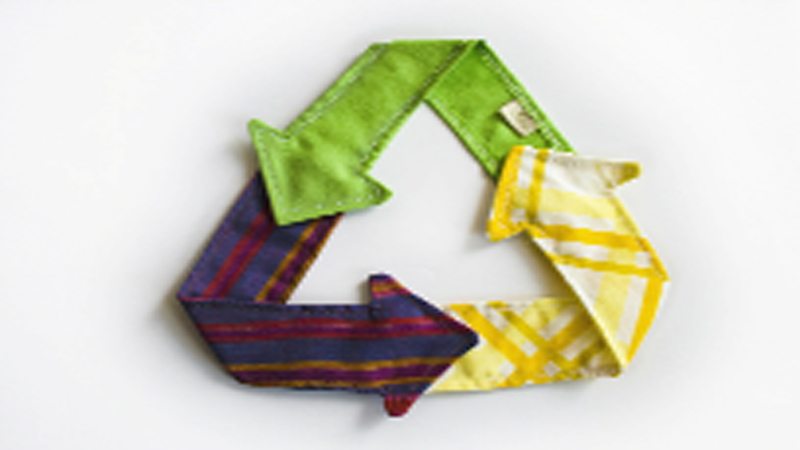
Thisis not to say, begin to dress shabby but merely to raise an understanding of consumer choices. Fashion for many is considered art and for others an expression of self. Yet one can continue doing so by simply moving towards sustainable consumption and production choices. As a consumer, you can make demands on the industry to make changes in their practices. Living in the post-Paris agreement era, many consumers abroad have already done so. Levis Strauss started a sustainable initiative where they used recycled plastic to make new jeans, made use of 100% recycled water and removed most harmful chemicals from the production process. Let us hope this is true and this venture is sincere.
We need more journalists on the frontlines exploring unsustainable practices and bringing it into the limelight such as done with H&M. Clothes that you do not intend to wear again, donate to those who cannot afford it. More importantly, our education systems need to equip our future generations to identify industry-specific problems and work towards solutions.
The writer holds a Master’s degree in Environmental Conservation from New York University
Published in Daily Times, March 19th 2018.