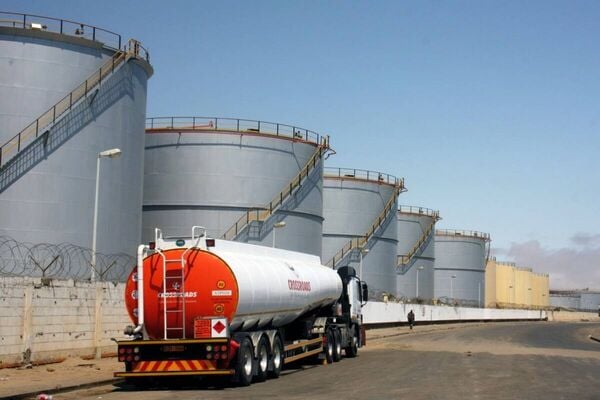
U.S. petroleum reserves have fallen to their lowest level in more than four decades amid heightened tensions with Iran. The decline has raised concerns over U.S. energy security and future supply resilience.
According to a Bank of America chart, the United States has about 43 days of oil supply remaining. The figure marks the lowest level recorded since July 1983.
Read more: US taps massive oil reserves after Iran crisis
The latest data from the U.S. Energy Information Administration showed commercial crude oil inventories stood at approximately 409.7 million barrels on July 10. The total was nearly six percent below the five-year average.
Meanwhile, the Strategic Petroleum Reserve declined to 316.5 million barrels by July 18. According to official data, this represents the lowest reserve level since April 1983.
Moreover, combined U.S. commercial and strategic petroleum reserves totaled about 730.8 million barrels. The figures place overall inventories among the lowest levels seen in more than 40 years.
Read more: How Trump Turned Hormuz into a US Cash Machine
Additionally, the sharp decline follows increased geopolitical tensions between the United States and Iran. Energy analysts closely monitor inventory levels because they influence market stability and emergency preparedness.
Therefore, future inventory trends will depend on domestic production, global oil demand, and regional developments. Market participants are expected to watch upcoming U.S. energy data for further signs of supply changes.