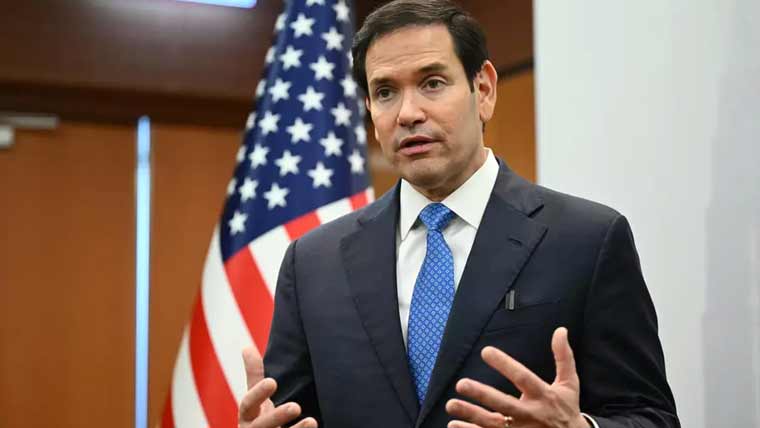
US Secretary of State Marco Rubio accused Iran of using the Strait of Hormuz as a tool of pressure. He said the United States remains committed to protecting global shipping. The remarks come amid continued regional tensions affecting international maritime security.
Speaking before departing for the ASEAN meeting in the Philippines, Rubio said Washington remains open to diplomacy with Iran. However, he stressed that any diplomatic process must be genuine and based on credible commitments.
Read more: Rubio accuses Iran of using Strait of Hormuz as pressure tool
According to Rubio, an agreement cannot remain effective if Iran violates its terms. He said the United States has made several efforts to reach an understanding with Tehran. Moreover, Washington intends to continue pursuing diplomatic engagement.
Rubio also claimed Iran is using the Strait of Hormuz to exert pressure on the international community. He said the United States will continue taking necessary measures to safeguard global maritime navigation. Additionally, he urged other countries to share the responsibility.
He said international partners should contribute through military resources or financial support to strengthen maritime security. Therefore, he emphasized that protecting vital shipping routes requires broader international cooperation. The Strait of Hormuz remains a key corridor for global energy supplies.
Read more: Rubio lashes out at ICC, accuses it of ‘waging war’ against US
Meanwhile, Rubio’s remarks highlight continued US concerns over regional stability and freedom of navigation. The comments also reflect Washington’s efforts to balance diplomatic engagement with security commitments. Officials continue monitoring developments in the Gulf region.
The United States has repeatedly stated its willingness to pursue diplomacy with Iran under appropriate conditions. Meanwhile, tensions surrounding the Strait of Hormuz remain closely watched by governments and global markets. Further developments could influence regional security and international trade.