 Dangerous. Brazen. Unprecedented. Uncharted territory.
Reaction in the media world has been swift and severe to the issue of subpoenas to five New York Times journalists who reported on security questions involving the new, Qatari-gifted Air Force One – a legal maneuver seen as a troubling escalation of the Trump administration´s campaign to control and intimidate independent media outlets.
“The subpoenas are an extraordinary escalation in President Trump´s efforts to threaten and intimidate independent news organizations, and have a chilling effect on the work of journalists across the country,” said Jodie Ginsberg of the Committee to Protect Journalists.
Media advocates and analysts expressed dismay at the tactic, even after months in which news organizations drawing President Donald Trump´s ire have been attacked both in courtrooms and in the court of public opinion; media access to corridors of power has been blocked; and a Washington journalist´s home has been searched by federal agents.
“They have used the levers of power to intimidate and demonize professional journalists who report stories that are unfavorable to the administration´s desired narrative,” said Frank Sesno, a former CNN White House bureau chief who is now a media and public affairs professor at George Washington University.
He called Friday´s subpoenas “dangerous and uncharted territory, but merely an extension of what we have seen from this administration and president.”
“Don´t like a poll? Sue the Des Moines Register. Don´t like the way an interview is edited? Sue `60 Minutes.´ Don´t like the coverage of the gifted Air Force One? Order the FBI to investigate and subpoena the journalists for what is, by the way, a story that is in the public interest.”
Some of the subpoenas were delivered to reporters at their homes, the Times said. Sought by Jay Clayton, the US Attorney in Manhattan, they seek to force the reporters to testify before a federal grand jury in Manhattan this week.
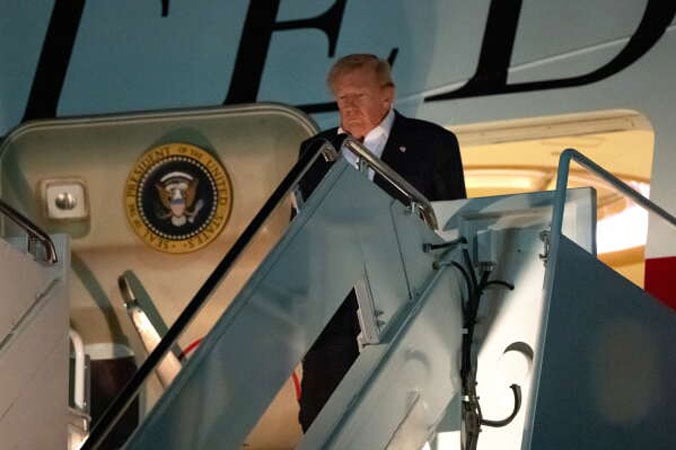
The new jet in question, a present from Qatar that the administration spent $400 million to retrofit and upgrade, entered service last week. But Trump used an older model Air Force One jet to leave a NATO summit in Turkey.
The Times, citing anonymous sources, reported the switch had come at the urging of the Secret Service, and that the newer plane lacked some of the advanced security features of the older aircraft, including antimissile capabilities. On social media, Trump denied security concerns.
The subpoenas were issued after FBI Director Kash Patel and other Justice Department officials met at the White House on Friday to talk about the matter, according to a person familiar with the discussions who was not authorized to discuss the issue publicly and spoke on the condition of anonymity. The Times said the meeting lasted around eight hours.
The fact that the operation was conducted from the White House itself was particularly egregious to analysts like Sesno, who called the coordination “unprecedented.”
“This graphically illustrates the pressure and influence the White House and president have brought to bear on law enforcement that is supposed to be independent and driven by facts, not politics,” he said.
The National Press Club called on the Justice Department “to immediately withdraw these subpoenas and reaffirm a principle that has long distinguished the United States: a free and independent press serves the people, not the government.”