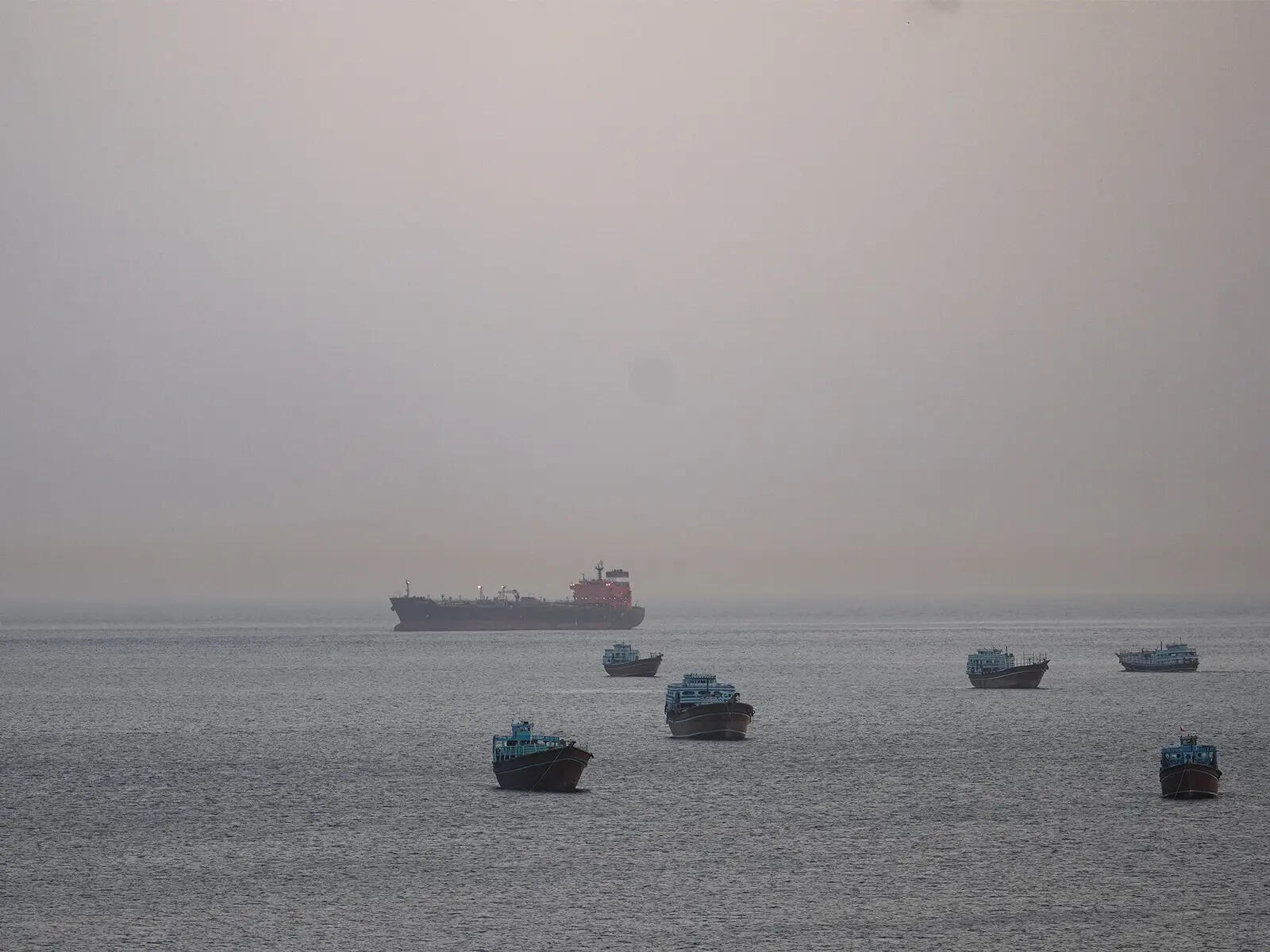
Millions of barrels of Iranian crude oil have become stranded at sea after the United States (US) ended a sanctions waiver that had temporarily allowed Tehran to export oil under limited conditions. The move has significantly increased pressure on Iran’s energy sector and raised concerns about global oil supply and regional stability.
Read More: Trump insists Iran has agreed to nuclear inspections
According to a report by Bloomberg, vessel-tracking data shows that tankers carrying approximately 63 million barrels of Iranian crude oil are either anchored or moving slowly between the Persian Gulf and the Strait of Malacca. The ships are reportedly unable to complete deliveries due to renewed US restrictions on Iranian oil exports.
The report added that if the United States resumes a broader maritime blockade amid escalating tensions in the region, an additional 50 million barrels of Iranian crude oil and refined petroleum products could also become stranded. Such a development would further restrict Iran’s ability to export energy products and generate vital foreign exchange earnings.
The renewed sanctions came a day after Washington accused Iran of targeting commercial vessels in the Strait of Hormuz. In response, the US administration reinstated restrictions on Iran’s oil trade, arguing that stronger economic measures were necessary to address growing security concerns in one of the world’s busiest energy corridors.
Earlier, following a memorandum of understanding between the United States and Iran, Washington had granted Tehran temporary permission to continue limited oil exports until August 21. However, the US Treasury Department has now revised the exemption, shortening the deadline to July 17 and effectively tightening sanctions much sooner than previously announced.
Read More: China state refiners considering resuming Iran oil imports
The latest development has heightened uncertainty in global energy markets, with analysts closely monitoring the impact of reduced Iranian exports on international oil prices. Experts warn that prolonged disruptions in the Strait of Hormuz and stricter enforcement of sanctions could affect global supply chains and increase volatility in the energy market, particularly if regional tensions continue to escalate in the coming weeks.