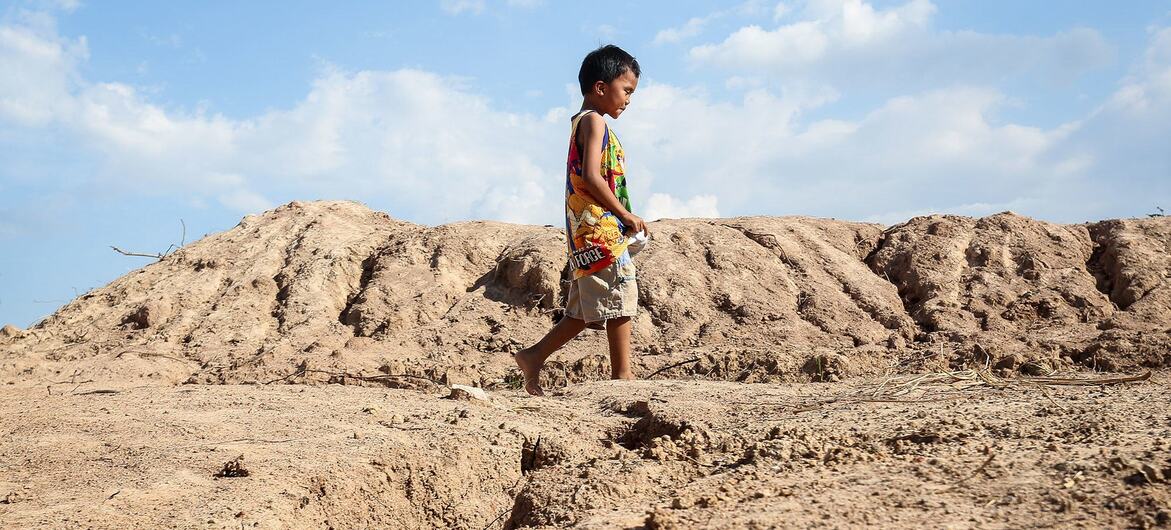
Nearly every child worldwide is now exposed to at least one major climate-related hazard, highlighting the growing impact of environmental change on younger generations. A new assessment warns that climate risks are becoming more frequent and severe, placing millions of children at greater risk of health problems, displacement, food insecurity and interrupted education. Experts say urgent action is needed to protect vulnerable communities from escalating environmental threats.
The report estimates that around 1.8 billion children face the risk of drought, while approximately 1.2 billion are exposed to extreme heat conditions. In addition, hundreds of millions are threatened by floods, tropical storms and other weather-related disasters. These hazards are becoming increasingly interconnected, creating complex challenges that can overwhelm public services, infrastructure and emergency response systems in many countries.
Researchers found that nearly 1.1 billion children are exposed to at least three overlapping climate risks at the same time. This combination of hazards significantly increases vulnerability because communities often struggle to recover from one disaster before another occurs. The report also examined factors such as access to healthcare, clean water and social services, all of which influence a child’s ability to cope with environmental shocks.
Beyond extreme weather, the assessment highlighted growing concerns about disease exposure and air pollution. Around one billion children are at risk of malaria, particularly in African regions where climate conditions support the spread of disease-carrying mosquitoes. Meanwhile, worsening environmental conditions continue to affect public health, placing additional pressure on already stretched healthcare systems in many developing nations.
The impact on education is also becoming more visible. During 2024, climate-related events disrupted schooling for an estimated 242 million children across 85 countries, affecting learning outcomes and long-term development. Frequent floods, storms, droughts and heatwaves forced school closures, damaged infrastructure and limited access to safe learning environments for millions of students.
Among the countries identified as highly vulnerable are Somalia, Madagascar, Myanmar, Cambodia and Pakistan, where climate challenges intersect with economic and social pressures. Experts are urging governments to invest in stronger infrastructure, disaster preparedness, climate adaptation and public services. Such measures could reduce risks, strengthen resilience and help safeguard children from the growing consequences of climate change.