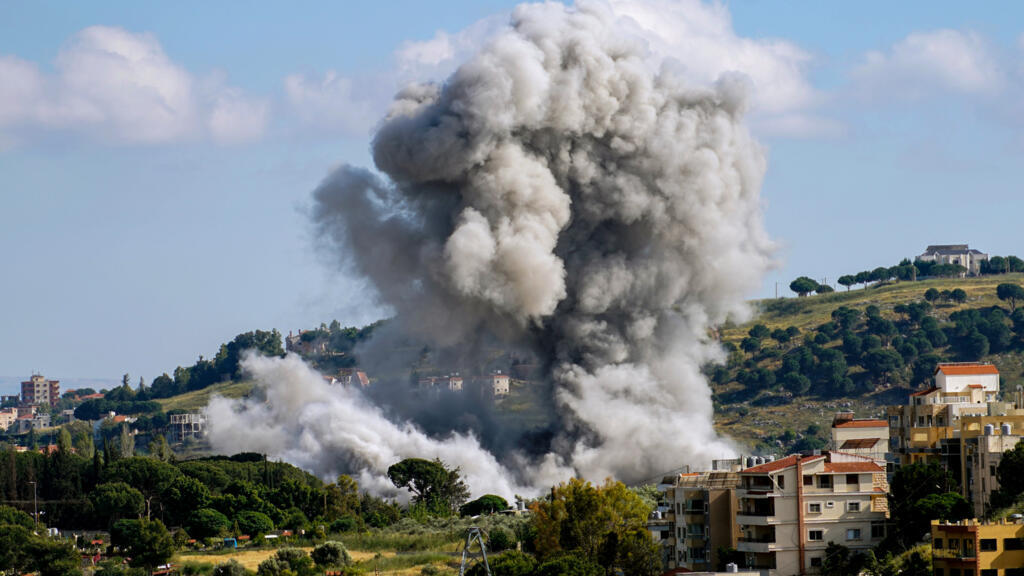
Israel and Iran exchanged fresh attacks on Monday, deepening regional tensions and raising concerns about the future of ongoing diplomatic efforts aimed at ending months of conflict. The latest escalation came despite reported appeals from US President Donald Trump urging Israeli Prime Minister Benjamin Netanyahu to avoid further military action and preserve momentum for negotiations.
Iran’s Revolutionary Guards said they targeted Israel’s Nevatim and Tel Nof air bases in response to recent Israeli strikes, describing the operation as a warning against further aggression. Iranian media reported additional missile launches toward Israeli territory, triggering air raid sirens in several areas. Israeli authorities said their defence systems were activated and worked to intercept incoming threats.
Read more : Israel strikes Iran despite Trump’s push for restraint
Meanwhile, Israel confirmed strikes on military positions and the Mahshahr petrochemical complex in southwestern Iran, marking the first reported attack on an Iranian energy-related facility since the ceasefire announced in April. Iranian officials said parts of the complex suffered damage, prompting evacuation measures in the surrounding petrochemical zone. No immediate casualty figures were reported following the incident.
The Israeli military stated that it struck around 20 locations across Iran, including military installations in western and central regions. Reports from Iranian cities such as Tehran, Tabriz and Isfahan described explosions and heightened air defence activity as authorities responded to the attacks. Iranian officials maintained that several strikes were intercepted, while investigations into the full extent of the damage continued.
Read more : Israel hits petrochemical plant in Iran
At the same time, tensions surrounding Lebanon added further pressure to fragile diplomatic efforts. Iran has repeatedly linked any agreement with Washington to the continuation of a ceasefire in Lebanon, while Israel argues that its operations against Hezbollah remain separate from broader negotiations. The renewed violence has increased uncertainty over prospects for a comprehensive regional settlement.
The conflict also continues to affect strategic and economic interests, particularly around the Strait of Hormuz, a vital route for global energy supplies. Although US and Iranian officials have indicated progress toward a preliminary understanding, major disagreements remain over sanctions relief, frozen Iranian assets and future security arrangements. As military exchanges persist, hopes for a lasting agreement face growing challenges.