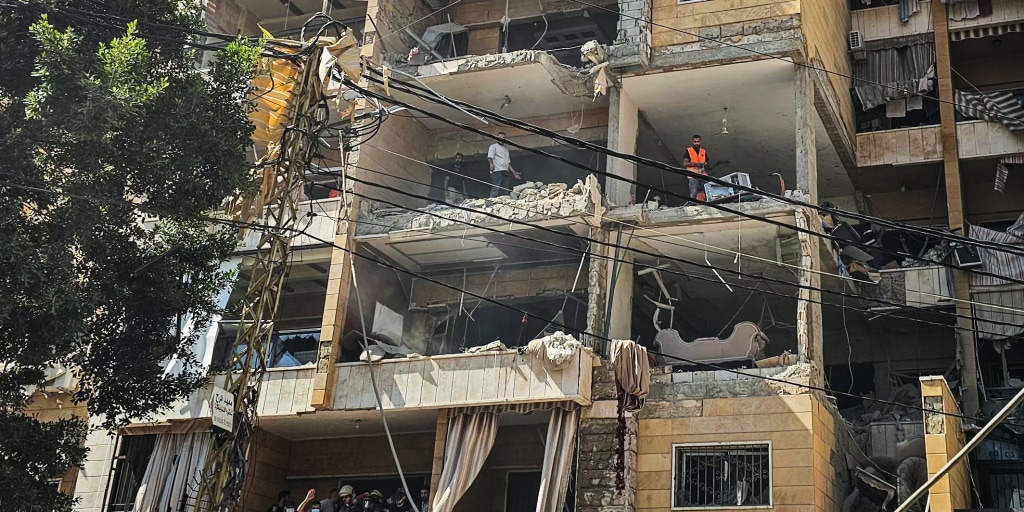
Israel said it carried out airstrikes on military targets in central and western Iran early Monday, hours after Tehran launched missiles toward Israeli territory, marking a sharp escalation in tensions between the two regional rivals.
Read More: Iranian cluster missiles challenge Israel’s Air defence systems
The Israeli military announced that its air force targeted sites linked to what it described as the Iranian regime’s military infrastructure. Officials did not immediately provide details about the specific locations hit or the extent of the damage caused by the strikes.
🚨 Israel launches major strikes on multiple locations across Iran! 🇮🇱
Israeli Air Force & Navy both participated in the operation.
Air-launched ballistic missiles fired from Iraqi airspace.
All eyes now on IRGC and their potential response… 🇮🇷
What’s next? Escalation… pic.twitter.com/vu5qoDjfrL
— WAR (@warsurv) June 8, 2026
Iranian state media reported explosions in several cities, including Tehran, Isfahan, Karaj and Tabriz. Authorities did not initially release information about casualties or damage, but airspace around Tehran’s Imam Khomeini International Airport was temporarily closed following the attacks.
The exchange of fire comes amid growing concerns that the fragile ceasefire reached earlier this year could unravel. The conflict, which intensified in late February, led to weeks of military confrontation before a ceasefire agreement was announced in April. However, continued regional tensions and intermittent hostilities have threatened its stability.
Meanwhile, air raid sirens sounded across parts of Israel after the military reported detecting a missile launched from Yemen. Israel’s emergency services said there were no immediate reports of casualties or impacts. The missile was believed to have originated from territory controlled by Yemen’s Houthi movement, although the group did not immediately claim responsibility.
The latest developments have heightened fears of a broader regional conflict involving multiple actors across the Middle East. Concerns have also resurfaced over the security of key energy routes, including the Strait of Hormuz, a critical corridor for global oil and gas shipments.
Read More: Israeli president warns of new Iranian missile
The United States has continued diplomatic efforts to prevent further escalation. Reports indicated that President Donald Trump had recently urged Israeli Prime Minister Benjamin Netanyahu to avoid immediate retaliation following earlier Iranian missile launches and to support ongoing negotiations aimed at preserving the ceasefire.
Regional and international observers are closely monitoring the situation as tensions remain high.