The ongoing conflict in the Middle East is placing increasing pressure on India’s labour market, disrupting overseas employment opportunities and weakening demand for the country’s manufactured exports.
Read More: Iran conflict prompts India-Russia LNG talks
For decades, millions of Indian workers have relied on jobs in Gulf countries, while industries such as leather, garments and glass manufacturing benefited from strong global demand. However, the regional conflict has created economic uncertainty, forcing many migrant workers to return home and leaving export-driven businesses struggling with rising costs and slowing orders.
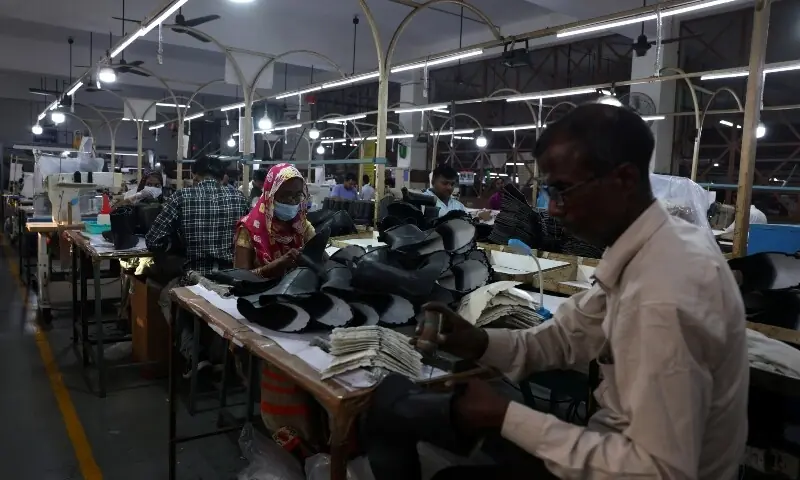
In the industrial city of Kanpur, leather manufacturers say higher fuel, shipping and logistics expenses linked to instability around the Strait of Hormuz are affecting production and investment plans.
Business owner Taj Alam said his leather factory, which once employed more than 500 workers, is now operating at roughly half capacity due to weak international demand and uncertainty in export markets.
Recruitment agencies also report a sharp decline in overseas job placements. Employers in Gulf states are delaying hiring while many families are reluctant to bear migration expenses during the conflict.
According to India’s foreign ministry, around 1.1 million Indians returned from the Gulf region between late February and April following the escalation in tensions. Economists warn that continued instability could worsen unemployment and reduce wage growth, particularly for young workers entering the labour market.
The World Bank estimates that economic growth in Gulf countries will slow significantly this year, raising concerns over future job opportunities for Indian migrant workers.
Read More: Modi trims motorcade amid fuel concerns
Analysts say the pressure extends beyond overseas employment, with artificial intelligence, slowing global trade and weaker manufacturing activity also limiting opportunities in sectors traditionally responsible for large-scale hiring.
Experts warn that if economic pressures persist, they could deepen social and financial challenges in parts of India heavily dependent on remittances and export industries.