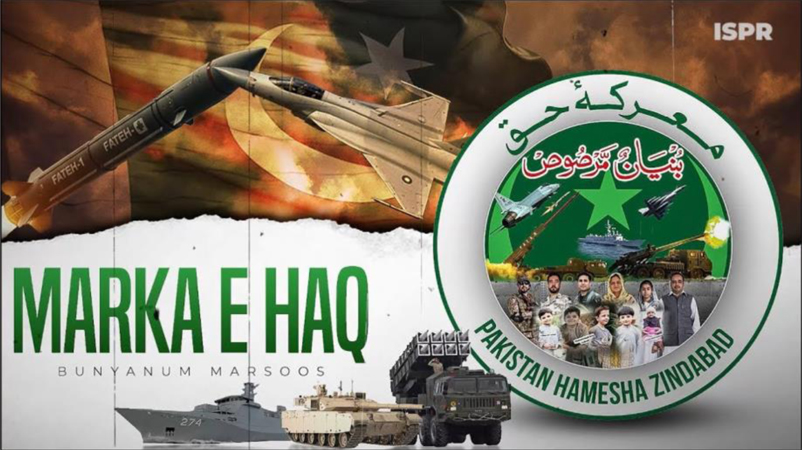
 Operation Sindoor, a series of Indian strikes against alleged terrorist infrastructure in Pakistan following the Pahalgam massacre, led to significant diplomatic and reputational challenges, with analysts describing it as a case where tactical military action resulted in a wider, embarrassing failure of foreign policy and strategic communication.
The shadow of the 10 May military defeat by Pakistan, to which India has long considered weaker, still looms large over the embarrassed Modi regime, leaving many Indians, particularly Bharatiya Janata Party (BJP) supporters, disillusioned and deeply embarrassed.
BJP’s Castle Collapsed
The imaginary castle built by the BJP on anti-Pakistan sentiments collapsed in an unexpected manner. Ajay Darshan Behera-a professor at the Academy of International Studies, Jamia Millia Islamia, New Delhi- observes that the anti-Pakistan narrative has lost its appeal as people are now more concerned with pressing domestic issues like unemployment and inflation. “After 10 years of the BJP rule, they have realized the false promises made by the BJP.”
Likewise, Bharat Bhushan-a senior journalist and columnist-says, “People don’t care anymore. The Prime Minister does this again and again to ginger up his base. It is only the hardcore BJP supporters [who] want to hear this; it’s for them.”
Jaw Breaking Retaliation and Flop Indian Disinformation
The BJP has visibly lost ground in the popularity contest, particularly following Pakistan’s robust retaliatory response. Indian media’s targeted propaganda misled the masses and created a sense of victory over Pakistan-one that never materialized. In the aftermath, Pakistan’s firm and calculated response to unwarranted missile and drone strikes further underscored India’s military setbacks.
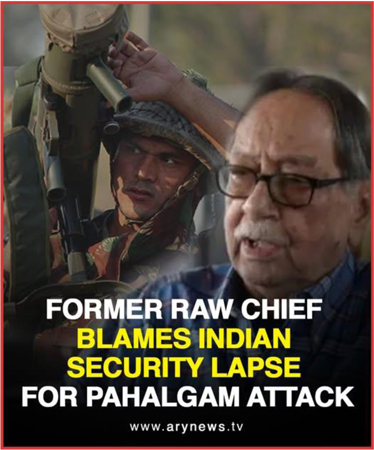
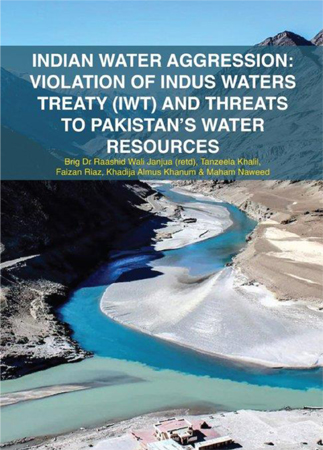
However, the post-Pahalgam setback proved even more damaging for Modi’s political standing. As Al-Jazeera reported, the attack in Pahalgam exposed serious security lapses and triggered widespread criticism of the Modi government’s handling of the Kashmir situation. Modi’s abrupt suspension of the Indus Water Treaty (IWT) was widely perceived as a last-ditch effort to regain political ground-an action that drew sharp criticism both domestically and internationally, the report added.
These developments not only laid bare the hollowness of the BJP’s aggressive posturing but also eroded its political capital at home. As Pakistan’s leading news channel GEO News aptly reported, “The worst shock came in Uttar Pradesh, where the poster boy of Hindutva politics, Yogi Adityanath, could only win 33 seats, as compared to 62 seats in the 2019 elections.”
Dominance and Invincibility Myth Busted
The cumulative impact of these political and military failures is clearly reflected in the broader erosion of India’s global standing and internal cohesion.
First, the myth of Indian invincibility has been shattered. In the wake of India’s immature conduct during the recent conflict with Pakistan, the BJP government is no longer being taken seriously on the global stage. This shift is evident in the response of key international actors-US State Department spokesperson Tammy Bruce, during press briefings, and US Vice President JD Vance, in an interview with the Fox News, both endorsed the Pakistan’s proposal for a neutral investigation into the Pahalgam incident.
Second, long-relied-on cross-border terrorism narrative against Pakistan has lost its effectiveness. The Pahalgam attack, which claimed the lives of Indian tourists, exposed serious security gaps and lent further credibility to theories suggesting false flag operation.
Third, the opposition parties in India are holding Modi led BJP government responsible for the country’s declining regional influence-blaming it on a strategy built on false flag narratives, misinformation, and politically-motivated agendas.
Rahul Gandhi criticized the Modi government, stating, “Eleven years of Modi government, no accountability, no change, only propaganda. The government has stopped talking about 2025 and is now selling dreams of 2047. Who will see what the country is facing today?”
In a parliamentary speech, he further added: “Modi strategically failed the nation with operation Sindoor as Pakistan and China are getting closer to each other which India never wanted.”
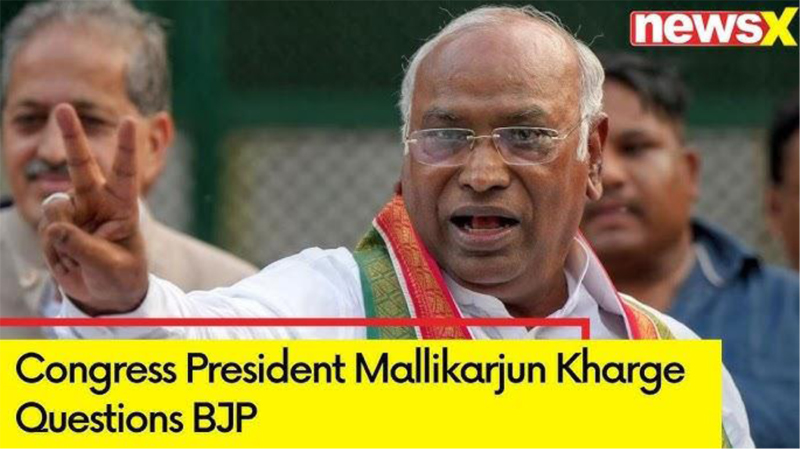
Mallikarjun Kharge-president of the Indian National Congress and the Leader of Opposition in Rajya Sabha-echoed this sentiment: “In the last 11 years, the Modi government has caused severe damage to the Indian democracy, economy, and social fabric.”
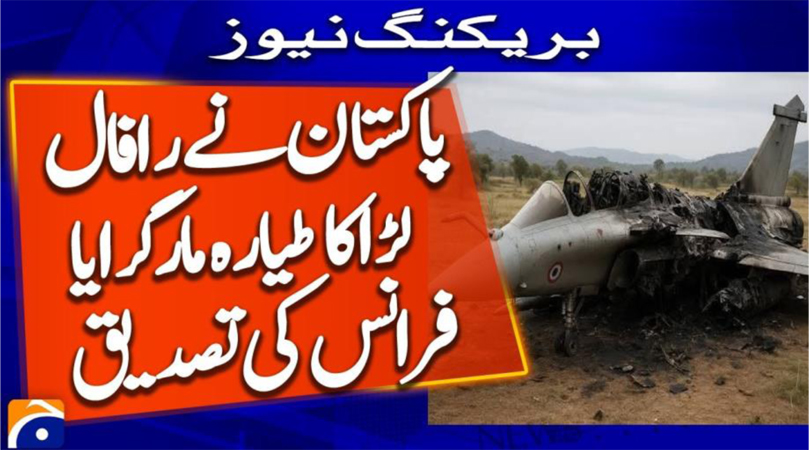
Fourth, despite initiating military strikes at times of its own choosing, the Indian armed forces have come under scrutiny for operational incompetence and lack of preparedness-an exposure far more damaging than anticipated. The Indian Air Force’s failure has even brought embarrassment to French defence manufacturer Dassault, with its Rafale jets becoming a subject of ridicule in global defence circles.
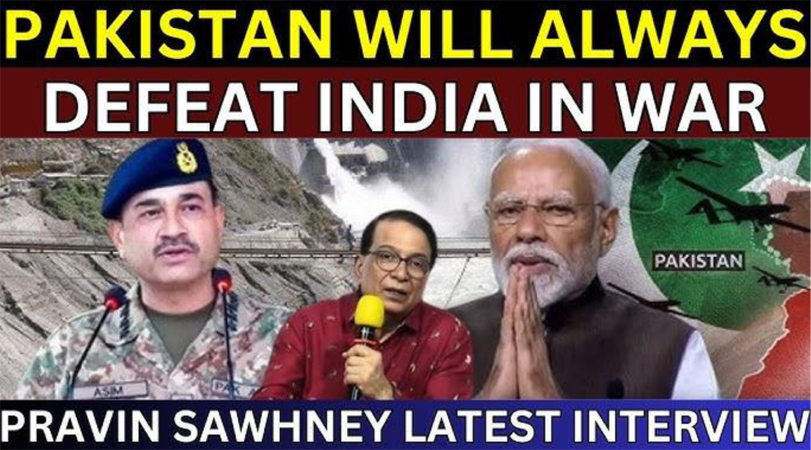
In contrast, Pakistan’s armed forces have garnered increased recognition as a highly efficient, professional and battle-hardened force in the region. Prominent Indian defence analyst Pravin Swahney has repeatedly highlighted the professional superiority of Pakistan’s armed forces over India’s-both in his articles for The Wire and across various podcast appearances and interviews on Indian television channels.
Sum of Indian Failures
Diplomatic Fallout: India struggled to gain strong international backing for the move, with international stakeholders largely calling for restraint, leaving India with limited diplomatic support and undermining its efforts to isolate Pakistan. The event was characterized by some as an example of India’s “loudspeaker diplomacy” not resonating internationally, highlighting a gap between its aspiration to be a global power and its ability to manage crises efficiently
Narrative Control: Despite claims of success in hitting targets, India lost the narrative battle as Pakistan claimed to have shot down aircraft, causing a public perception of failure in the region.
Failed Deterrence: Critics argued that the operation failed to establish a long-term deterrent against cross border terrorism, with experts pointing to the limited strategic value of the strikes relative to the high diplomatic costs incurred.
Shifted Focus: International reports highlighted the risk of escalation, reducing the focus on Pakistan’s alleged terrorist sponsorship and instead casting India’s actions as a “reckless” move that disrupted regional stability.
Future Hostile Designs of India: A Real Point of worry
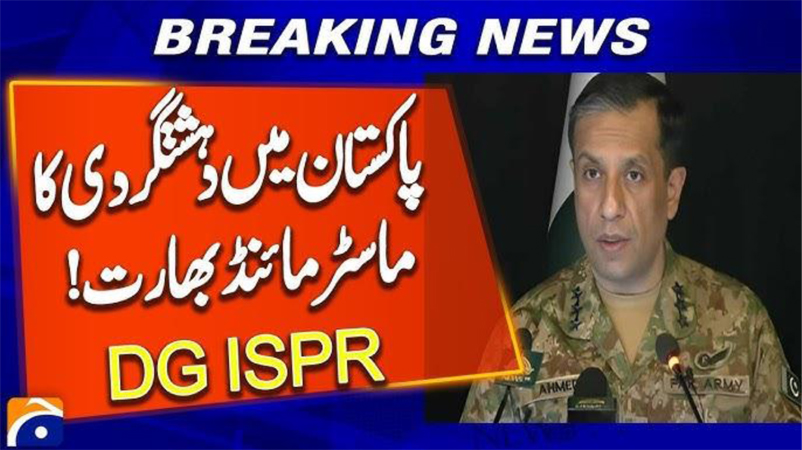
Surge in Proxy Terrorism: India is expected to intensify support for insurgent groups like Fitna al Khawarij and Fitna al-Hindustan to fuel instability in Khyber Pakhtunkhwa and Balochistan. This serves a dual purpose: destabilising Pakistan from within while distracting the international community from human rights concerns in Indian Illegally Occupied Jammu and Kashmir (IIOJK).

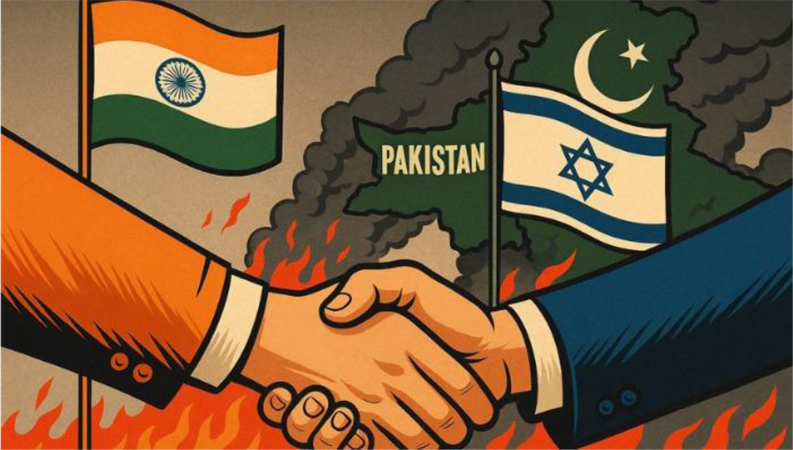
Regional Militarization: India continues to fuel an arms race to assert regional dominance. Recent acquisitions include a $29.75 million shipment of Russian Igla-S air defence systems and a $1.1 billion deal with Israel for advanced early-warning aircraft. These moves solidify India’s position as one of the world’s top ten arms importers, as noted by the Stockholm International Peace Research Institute (SIPRI).
Diplomatic Warfare: New Delhi is likely to launch global campaigns aimed at isolating Pakistan. By targeting Pakistan’s nuclear programme, stability, and counter-terrorism record, India hopes to shield itself from scrutiny regarding its own internal domestic crises and foreign policy failures.
Military “False Flag” Operations: There remains a high risk of a manufactured military confrontation or “false flag” event. Such a move would be designed to project the Modi government as a decisive military power, leveraging nationalist sentiment to recover dwindling domestic popularity.