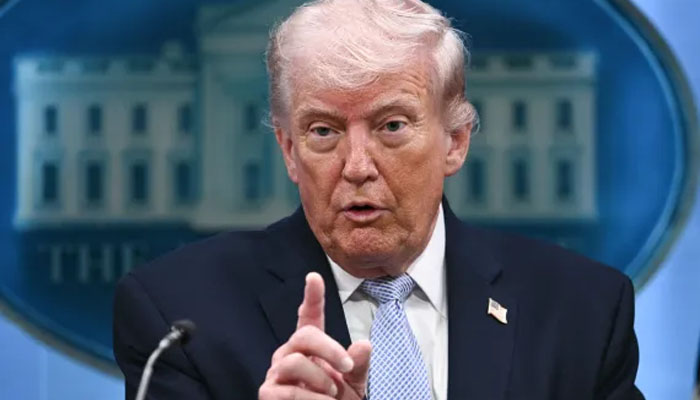
US and Iranian forces exchanged fire near the Strait of Hormuz, threatening a fragile month-old ceasefire. President Donald Trump said US destroyers survived Iranian attacks without damage and retaliated strongly. The renewed clashes raised fears over global oil supplies, regional security, and rising fuel prices worldwide.
Trump said three US Navy destroyers came under attack while crossing the strategic Strait of Hormuz. He claimed American forces caused heavy damage to Iranian attackers during the confrontation. However, Iran’s military accused Washington of violating the ceasefire through airstrikes and naval attacks.
Iranian commanders said US strikes targeted civilian areas near Qeshm Island and nearby coastal regions. Tehran also claimed Iranian forces damaged American vessels, although US Central Command rejected those assertions.
Meanwhile, Iran’s state media reported calm had returned after several hours of fighting near the strait. The latest confrontation followed repeated exchanges since the ceasefire began on April 7. Iran has previously targeted Gulf states, including the United Arab Emirates, during the conflict.
Read more: Trump claims US warships crossed Hormuz safely
The UAE hosts several American military facilities, increasing concerns over regional escalation. Consequently, investors reacted nervously as Brent crude prices surged above $100 per barrel.
At the same time, Trump insisted diplomatic negotiations with Tehran were still progressing despite the renewed violence. He said Iran accepted demands preventing the country from developing nuclear weapons. However, Tehran has not formally approved Washington’s latest proposal to end the conflict permanently.
Trump added that Pakistan requested the United States to avoid further escalation during negotiations. He praised Pakistan’s leadership, including the prime minister and military chief, for supporting diplomatic efforts.
Read more: US and Iran ‘closing in on one-page memo to end war’
The conflict began after joint US-Israeli airstrikes targeted Iran on February 28, intensifying regional instability. Since then, disruptions around the Strait of Hormuz have threatened global energy supplies and shipping routes. Rising oil prices have also increased gasoline costs across the United States, creating domestic political pressure.
According to the American Automobile Association, fuel prices have climbed sharply since late February. Analysts said markets still expect the conflict to remain limited despite continuing military confrontations.