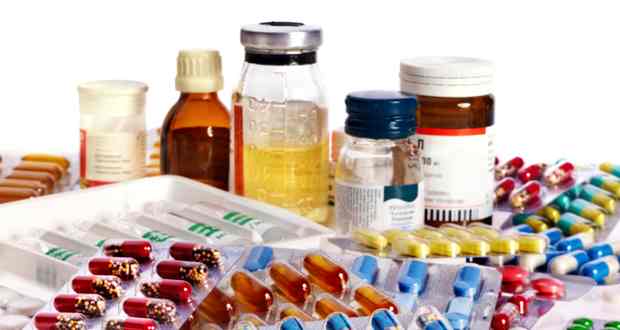
A Senate standing committee on health has raised concerns over a significant increase in medicine prices in Pakistan, revealing that the cost of various drugs has risen by up to 100% over the past two years.
Read More: Senators demand capping of medical test prices at private labs
During a recent committee meeting, lawmakers strongly criticised the continued rise in pharmaceutical prices and questioned the impact on patients already struggling with inflation and healthcare costs.
Officials informed the committee that medicine prices were deregulated in 2024 during the caretaker government, allowing pharmaceutical companies to determine prices independently. Since then, the prices of several medicines have reportedly increased sharply.
Committee members expressed concern that the deregulation policy had reduced government oversight, leaving consumers vulnerable to rising costs. Officials stated that under existing law, the Drug Regulatory Authority of Pakistan (DRAP) can only regulate prices of life-saving medicines, limiting its authority over a large number of products.
Federal Health Minister Mustafa Kamal told the committee that the Ministry of Health does not directly control increases or reductions in medicine prices.
The committee directed DRAP officials to develop a clear pricing formula for medicines and also summoned officials from the Pakistan Bureau of Statistics for the next meeting to review pricing mechanisms and inflation-related calculations.
Lawmakers argued that the current framework appears overly favourable to pharmaceutical companies and called for a review of the law governing medicine pricing.
DRAP chief Dr Obaidullah informed the committee that Pakistan currently has 659 pharmaceutical companies, while 394 institutions import medicines and vaccines from abroad.
He added that Pakistani medicines are exported to 51 countries. According to officials, the country’s pharmaceutical industry recorded sales worth Rs132 billion last year.
Read More: Medicine prices likely to rise after DRAP deregulation
The committee noted that unchecked medicine price increases were placing added pressure on ordinary citizens and stressed the need for stronger regulatory oversight to ensure affordability and fair market practices.