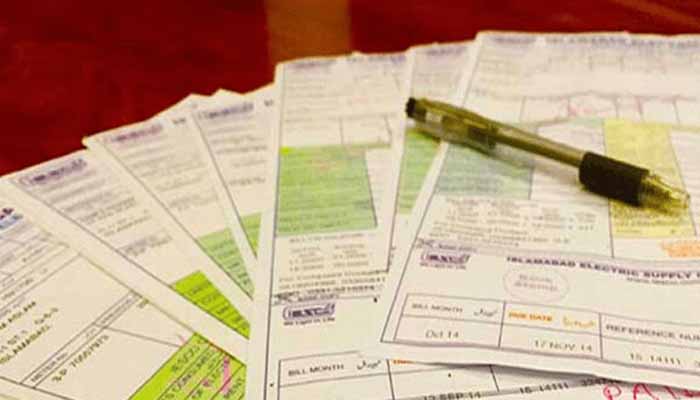
Electricity distribution companies in Pakistan have introduced a new system to improve transparency in consumer billing. Under the initiative, monthly electricity bills will now clearly show the amount of subsidy provided to each consumer. The move is aimed at increasing awareness and improving communication between power companies and consumers.
According to the Power Division spokesperson, consumers will be able to view subsidy details on their monthly electricity bills. However, users will first need to register by scanning a QR code printed on the bill. The registration process will allow the system to link consumption data with eligible subsidy categories. Officials said the step is designed to ensure accurate tracking of financial support.
Read more: Power consumers to get Rs 1.75 per unit relief over next three months
The Power Division clarified that the initiative does not mean the end of electricity subsidies. Instead, it aims to ensure that low-consumption households continue receiving financial relief. Officials added that the system will help identify deserving consumers more effectively. They emphasized that transparency in subsidy distribution remains a key government priority.
Authorities further stated that the government is committed to supporting low- and middle-income households. The new mechanism will help ensure fair use of national resources and reduce discrepancies in billing support. Moreover, it is expected to improve accountability within the electricity distribution system. The spokesperson said the reforms are part of broader sector improvements under ongoing energy reforms.
Read more: Punjab Assembly passes infrastructure cess bill amid protests
The initiative comes amid wider discussions on electricity pricing and subsidy structures in Pakistan. Officials believe that digital tracking through QR codes will modernize billing systems and improve efficiency. Meanwhile, consumers have been advised to complete registration to avoid any disruption in receiving subsidy-related benefits in future bills.