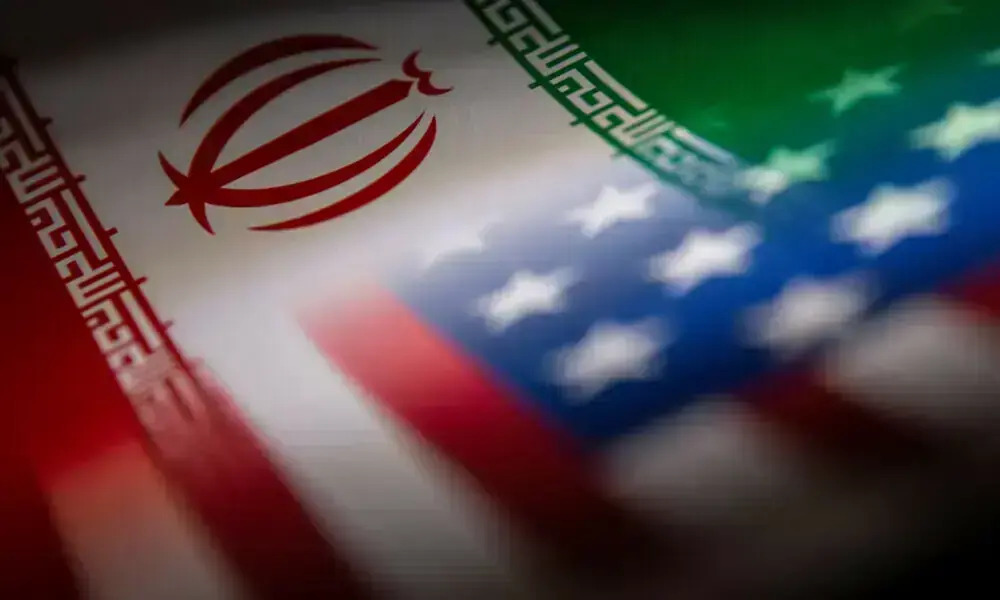
The United States and Iran are nearing a draft memorandum to end their conflict and restart nuclear talks. The proposed agreement could ease regional tensions and stabilize global energy routes. Both governments, along with regional stakeholders, stand to be directly affected by the outcome.
U.S. officials expect Iran to respond within 48 hours on key terms of the proposed agreement, signaling potential progress toward de-escalation. The draft outlines a temporary halt to Iran’s nuclear enrichment activities in exchange for sanctions relief. Washington may also release billions in frozen Iranian funds under the proposal. Additionally, both sides would restore transit through the Strait of Hormuz, a critical artery for global oil shipments.
Read more: US Iran deal talks move closer to breakthrough
The proposed 14-point memorandum would launch a 30-day negotiation period aimed at securing a broader agreement. During this phase, negotiators would finalize terms to limit Iran’s nuclear program and phase out U.S. sanctions. Maritime restrictions imposed during the conflict would also be gradually lifted. However, officials warn that failure in talks could quickly trigger renewed military measures.
Negotiations are being conducted by U.S. envoys and Iranian officials through direct and mediated channels. The memorandum would formally declare an end to hostilities if approved by both sides. Despite optimism, sources stress that no agreement has been finalized yet. The process remains fragile and dependent on swift responses from Tehran.
Read more: Trump says Iran ‘should wave the white flag of surrender’
Earlier, Iran stated it would only accept a deal it considers fair and balanced, reflecting ongoing mistrust. The development follows a pause in U.S. naval operations aimed at reopening the Strait of Hormuz. Although the report has not been independently verified, global financial markets reacted positively to the news.