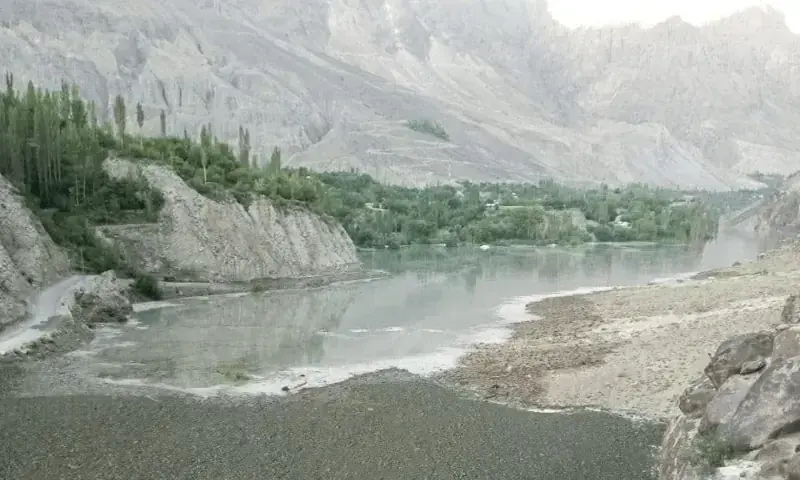
The Pakistan Meteorological Department (PMD) has issued an alert warning of possible glacial lake outburst floods (Glofs) in the northern regions of Gilgit-Baltistan and Khyber Pakhtunkhwa, following the expected arrival of a westerly weather system this weekend.
Read More: PMD warns of heavy rain and hailstorm across Pakistan from May 2-5
According to the Met Office, a moderate westerly wave is likely to enter the upper parts of the country from Sunday, bringing widespread rain, windstorms, and isolated heavy rainfall in several mountainous areas. Officials have cautioned that the sudden shift in weather conditions could increase the risk of flooding and related hazards in vulnerable valleys.
A Glof occurs when water trapped in a glacial lake is suddenly released due to melting ice or structural failure of natural barriers, often causing destructive floods of water, ice, and debris downstream. Authorities estimate that more than 7.1 million people in Gilgit-Baltistan and Khyber Pakhtunkhwa are exposed to such risks due to their proximity to glaciated regions.
The PMD warned that rapid temperature changes combined with heavy rainfall significantly raise the likelihood of Glof events, flash floods, and debris flows in sensitive areas including Hunza, Nagar, Shigar, Skardu, Swat, Chitral, Dir, Astore, and surrounding valleys.
Residents have been advised to avoid riverbanks, streambeds, and low-lying areas during rainfall and to move livestock and essential belongings to safer, elevated locations. Authorities also urged communities to stay alert for warning signs such as sudden changes in water colour, increased flow intensity, or unusual sounds from mountain streams.
Disaster management agencies have been instructed to maintain high alert levels, ensure continuous monitoring, and strengthen communication with local community-based disaster risk management teams.
Read More: PMD forecasts hot and dry weather for most parts of country
Pakistan hosts more than 13,000 glaciers, making it one of the most heavily glaciated countries outside the polar regions. However, climate change has accelerated glacial melting, increasing the frequency of Glof incidents in recent years. Officials continue to monitor the evolving weather situation closely and have urged citizens in high-risk zones to follow safety advisories.