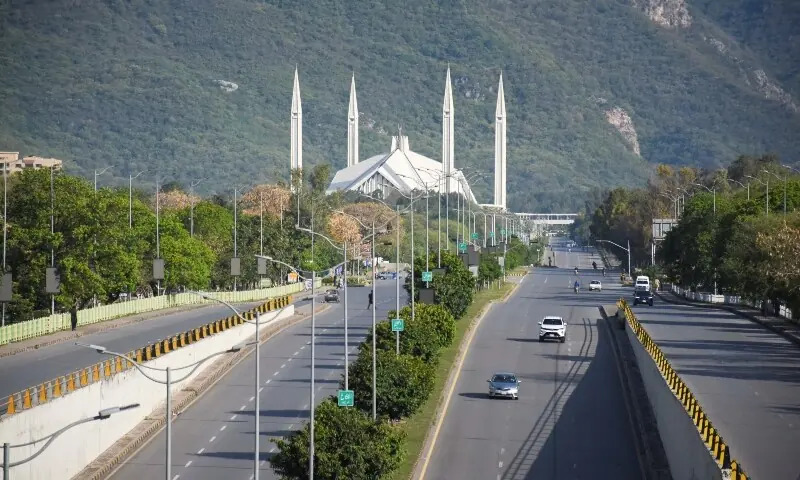
Residents in parts of Rawalpindi and Islamabad faced severe restrictions as authorities imposed extraordinary security measures ahead of US-Iran talks. The closures disrupted daily life and restricted movement for thousands of citizens. Entire neighbourhoods were effectively confined indoors due to sealed roads and checkpoints.
According to officials, key routes including Old Airport Road and access roads to Nur Khan Airbase were closed using containers and barbed wire. Several residential areas such as Shah Khalid Colony, Gulzar-e-Quaid, and Airport Housing Society were heavily affected. Traffic diversions and shutdowns caused widespread congestion across major city arteries.
Read more: Iran to join Islamabad talks but doubts about the reliability of the US
Commuters, students, and workers faced major difficulties as transport services were suspended or rerouted. Electric buses dropped passengers far from their destinations, forcing long walks. Roads across Murree Road, Saddar, and surrounding areas saw heavy traffic jams. Residents also reported shortages of essential supplies and delayed services.
Local citizens expressed frustration over sudden closures and lack of prior notice from authorities. Many said they struggled to access water, medicines, and basic necessities during the lockdown. Traders also reported disruptions, while some shops remained closed on administrative orders. Authorities said restrictions were necessary for security of foreign delegations.
Read more: Pakistani officials say situation under control ahead of US-Iran talks
Meanwhile, over 5,000 police personnel have been deployed across Rawalpindi under a high-level security plan. Bus terminals were shut, and major routes remained under strict surveillance with checkpoints and patrols. Officials said monitoring continues through Safe City cameras and control rooms. Normal traffic flow will resume after the conclusion of diplomatic activity.