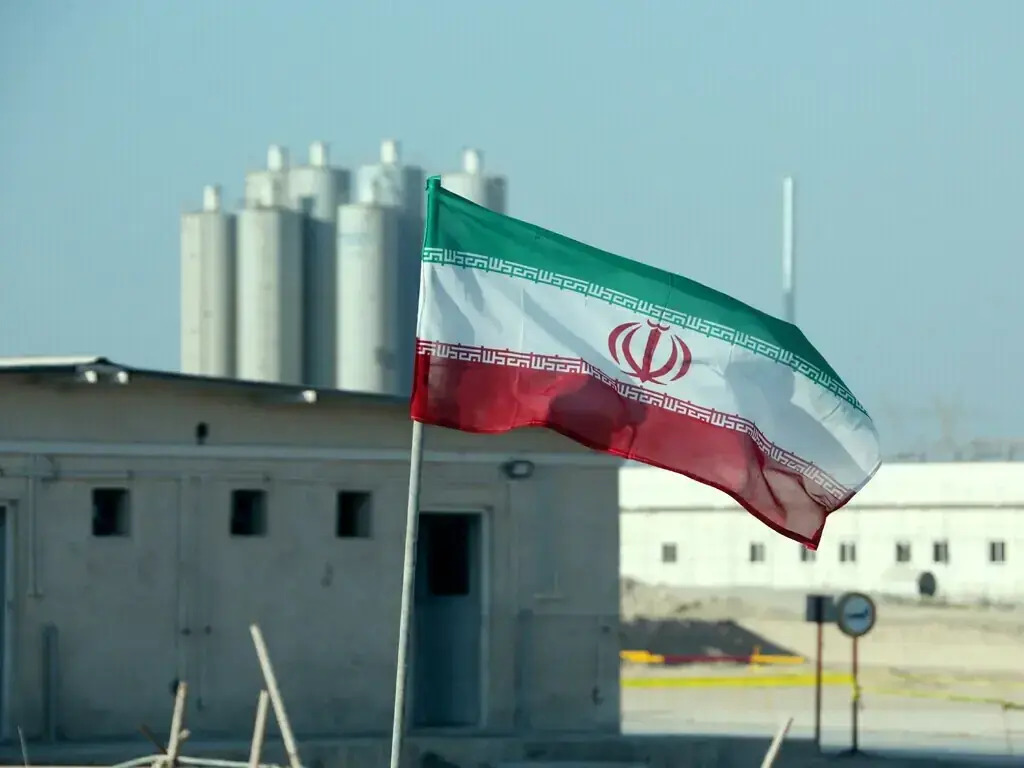
Iran has rejected a proposed temporary ceasefire and instead outlined a set of key demands, signaling a firm stance amid ongoing regional tensions.
Read More: US, Iran weigh ceasefire as Trump sets deadline
According to officials in Tehran, Iran has called for a permanent resolution to the conflict rather than a short-term truce. The country has also demanded the complete removal of sanctions and compensation for damages caused by recent attacks attributed to Israel and the United States.
Iran delivers 10-point response to US via Pakistan: rejects temporary truce, demands permanent end to aggression, Hormuz navigation protocol, sanctions lifting. Tehran asserts “upper hand” after US operation fails.https://t.co/kxXmUpvnkx
— Al Mayadeen English (@MayadeenEnglish) April 6, 2026
In a parallel development, Iran has reportedly conveyed its response to US proposals through Pakistan. A senior Iranian official confirmed receiving a ceasefire-related proposal from Pakistan, indicating Islamabad’s role in diplomatic efforts to de-escalate the situation.
Iranian media reported that the response includes a 10-point framework addressing multiple aspects of the conflict. Among the key elements is a proposed mechanism to ensure safe passage through the strategically vital Strait of Hormuz, a critical route for global energy shipments.
Meanwhile, Iranian Foreign Minister Abbas Araghchi stated that Tehran would not agree to reopen the Strait of Hormuz or accept imposed deadlines in exchange for a temporary ceasefire. He emphasized that Iran’s response to any US military action would not remain confined to the region, hinting at broader implications.
The developments highlight growing complexity in diplomatic negotiations as global and regional stakeholders seek to prevent further escalation. Analysts note that Iran’s insistence on long-term guarantees rather than interim solutions could prolong talks but also reflects its broader strategic objectives.
Read More: Pakistan proposes ‘two-tier’ truce deal to end US-Israel war on Iran
As tensions persist, the international community continues to closely monitor the situation, with concerns rising over potential disruptions to regional stability and global energy supplies.