Pakistan’s Foreign Office said the peace process is ongoing but declined to confirm reports of a proposed Iran war framework. The remarks follow claims that Pakistan shared a ceasefire plan with the United States and Iran. The situation matters as escalating conflict threatens regional stability and global energy supplies.
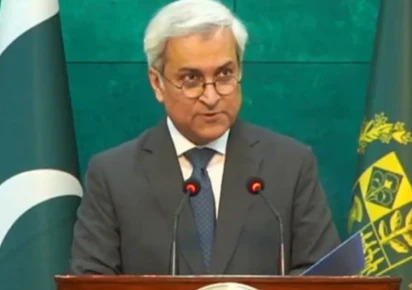
Foreign Office spokesperson Tahir Andrabi addressed the issue during a press briefing on Monday. He said officials would not comment on specific reports, including claims of a 45 day ceasefire or a 15 point plan. However, he maintained that diplomatic engagement continues through various channels. His remarks came after reports suggested Pakistan had circulated proposals to both sides. These claims have not been officially verified by authorities.
Earlier, Reuters reported that a framework to end hostilities had been shared with Washington and Tehran. The report cited a source familiar with the discussions but offered limited details. Meanwhile, Axios reported that regional mediators were discussing a possible two phase deal.
Read more: FO rejects misleading remarks about UAE financial deposits
This proposal reportedly includes a temporary ceasefire followed by a permanent settlement. These developments indicate growing international efforts to deescalate tensions.
Iran has responded cautiously to the reports, outlining its own conditions for any agreement. Foreign ministry spokesperson Esmaeil Baghaei said Tehran had conveyed its demands through intermediaries. He rejected earlier proposals, calling them excessive and inconsistent with Iran’s interests.
He also stressed that negotiations cannot proceed under threats or ultimatums. Iran maintains that its position reflects confidence rather than compromise.
Read more: FO Spokesperson: No ceasefire yet, we need Afghan guarantees
The diplomatic push comes amid rising hostilities that risk disrupting the Strait of Hormuz, a key global oil route. Increased tensions have already created uncertainty in energy markets worldwide. Pakistan has positioned itself as a potential mediator due to its ties with both sides.
Meanwhile, US President Donald Trump has issued strong warnings, threatening strikes if a deal is not reached quickly. These developments continue to raise concerns about further escalation in the region.