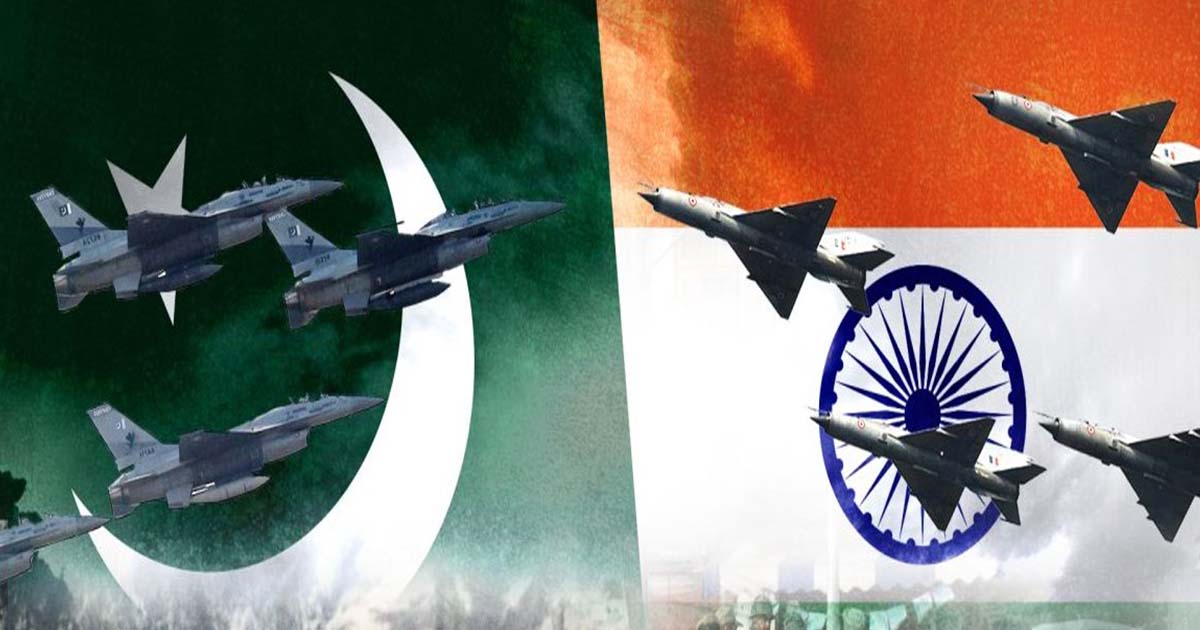
Following its humiliating setback in the controversial “Operation Sindoor” episode and growing diplomatic isolation, India has once again been accused of staging a false flag narrative aimed at deflecting international scrutiny. Analysts believe the administration of Narendra Modi is struggling to counter Pakistan’s rising diplomatic engagement and influence on the global stage. Consequently, political circles and media platforms aligned with the ruling government have intensified propaganda efforts, attempting to shift attention from internal criticism and strategic failures.
Read more : A Fact-Checked Analysis of Operation Sindoor and the Collapse of …
Meanwhile, Indian officials have resorted to aggressive rhetoric and repeated threats against Pakistan, a pattern critics say mirrors earlier attempts to manufacture political crises. Statements from India’s Defence Ministry and inflammatory remarks from senior leaders have coincided with a surge of coordinated messaging across pro-government media networks. Observers argue this synchronization reflects a deliberate strategy designed to revive nationalist sentiment and distract domestic audiences from the aftermath of Operation Sindoor’s widely discussed failure.
At the same time, reports suggest India’s intelligence agency Research and Analysis Wing has intensified information campaigns on social media platforms, particularly through accounts linked to nationalist groups. These networks have circulated unverified allegations targeting Pakistani state institutions while amplifying narratives predicting economic collapse or diplomatic setbacks. However, fact-checking analysts note that many of these claims lack credible evidence and appear designed primarily to shape public opinion before critical political developments.
Read more : Israel confirms supplying weapons for India’s operation sindoor
Moreover, political observers highlight the timing of these developments, pointing to upcoming elections in Indian states such as West Bengal and Assam. Historically, tensions with Pakistan have often escalated ahead of major electoral contests in India, a tactic critics say helps mobilize voters through heightened nationalist rhetoric. According to several regional analysts, reviving security fears allows the ruling leadership to dominate political discourse while overshadowing economic and governance challenges.
Furthermore, reports indicate attempts to create a charged atmosphere by highlighting cases involving detainees and prisoners, an approach critics argue may help construct narratives that justify future accusations or incidents. Security experts warn that such tactics risk inflaming regional tensions and misleading international audiences. They emphasize that orchestrated information campaigns combined with provocative statements could dangerously escalate misunderstandings between nuclear-armed neighbors.
Finally, independent experts stress that the international community remains increasingly aware of historical controversies surrounding alleged false flag narratives and media manipulation in South Asia. They argue that Pakistan’s expanding diplomatic outreach and strategic engagement have strengthened its global position, making it harder for adversarial narratives to gain credibility. As the anniversary of Pakistan’s “Battle of Truth” success approaches, analysts warn that any miscalculated provocation could trigger a stronger, more decisive response than before.