ISLAMABAD — The Pakistan government is taking decisive steps to shield lower- and middle-income citizens from the effects of a rising fuel crisis, Prime Minister Shehbaz Sharif said on Monday. The surge in oil prices has been triggered by global disruptions linked to the ongoing Iran conflict.
Read More: PM Shehbaz rejects increase in petrol and diesel prices, again
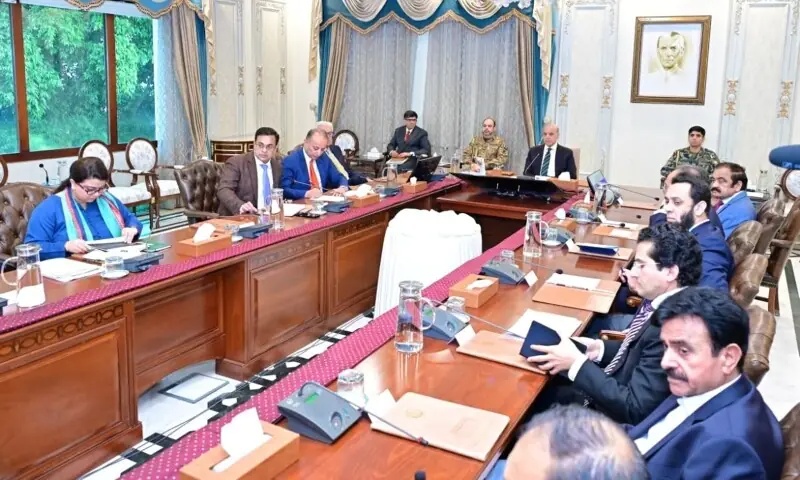
In a meeting chaired by the premier to review petroleum stocks and public relief initiatives, officials outlined the government’s efforts to provide immediate support to vulnerable groups. Special focus is being placed on motorcyclists and rickshaw drivers, with a subsidised fuel scheme announced on March 17 to mitigate the financial burden caused by rising oil costs. Registration for beneficiaries is being finalised in collaboration with provincial authorities.
Prime Minister Shehbaz emphasised that economically weaker sections will not be left unaided during this period of difficulty. “We will not leave the economically weaker section of society alone in this hour of difficulty,” he said, underlining the administration’s commitment to public welfare.
Prime Minister Muhammad Shehbaz Sharif chairs a meeting to review implementation of fuel conservation and austerity measures. pic.twitter.com/7DAbbqqa8X
— Government of Pakistan (@GovtofPakistan) March 30, 2026
وزیراعظم کی زیرِ صدارت خلیجی بحران کے پیٹرولیم مصنوعات پر اثر، پاکستان میں موجودہ ذخائر اور عوامی ریلیف کے اقدامات ہر جائزہ اجلاس
کمزور اور متوسط طبقے کے لوگوں کو مزید ریلیف فراہم کرنے کیلئے کوشاں ہیں، وزیرِ اعظم pic.twitter.com/snDpVe1vQO
— Shehbaz Digital Media (@ShehbazDigital) March 30, 2026
The government has also rolled out austerity measures, including cuts in development spending, reduced use of government vehicles by 60 percent, and restrictions on non-essential expenditures. These savings are being redirected toward relief initiatives rather than further increasing fuel prices.
Officials highlighted that fuel supply in the country has remained uninterrupted due to proactive planning. The meeting included an Intelligence Bureau audit report assessing the implementation and progress of these austerity and fuel conservation measures.
Prime Minister Shehbaz also reaffirmed Pakistan’s ongoing diplomatic engagement for peace in the Middle East, noting that adequate fuel reserves and medical supplies are available to meet national needs. Additionally, despite the rise in high-octane fuel for large vehicles, jet fuel prices have remained stable.
Read More: Government releases Rs27bn to keep petrol prices lower
The government plans to leverage digital systems to ensure timely delivery of relief measures, aiming to support citizens efficiently during this challenging period.