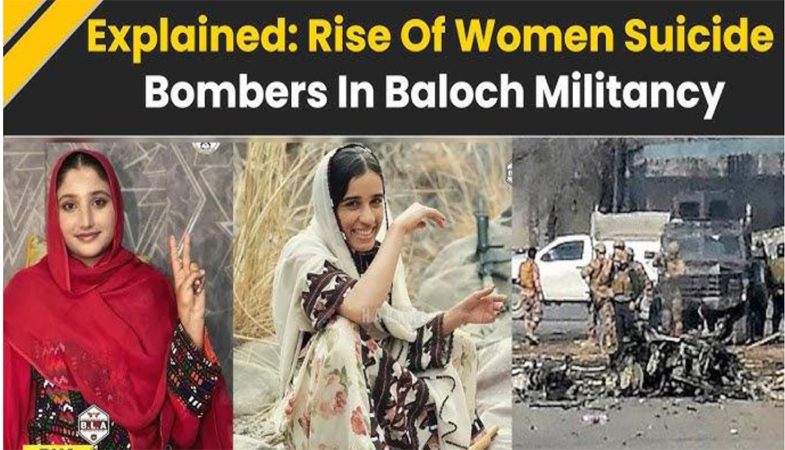
 The strategic pivot toward utilizing women as the frontline of the Baloch insurgency represents a chilling and calculated evolution in asymmetric warfare. By weaponizing the traditional cultural “sanctity” of the Baloch woman, militant planners have crafted a tactical double-edged sword. On one hand, these women serve as a nearly invisible vanguard, capable of bypassing stringent security checkpoints and infiltrating high value urban targets that would be inaccessible to their male counterparts. On the other, their involvement creates a “win-win” scenario for the insurgency’s narrative: if they succeed, they deliver a devastating blow to the state; if they are arrested or killed, their killing is leveraged by insurgent groups to ignite public outrage, painting the state as an aggressor against the very daughters of the soil.
This manipulation of gender norms doesn’t just increase the lethality of the BLA’s Majeed Brigade; it effectively turns the traditional social fabric of Balochistan into a minefield where every protest becomes a potential staging ground for the next suicide mission.
A Global Pedigree
The use of women as human bombs is not a modern religious invention but a tactical evolution seen in secular and nationalist struggles across the West and Eurasia.
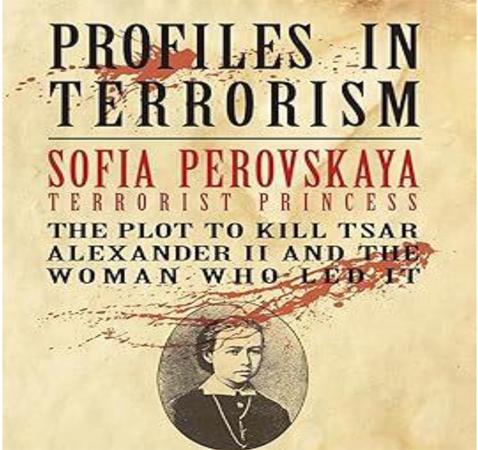
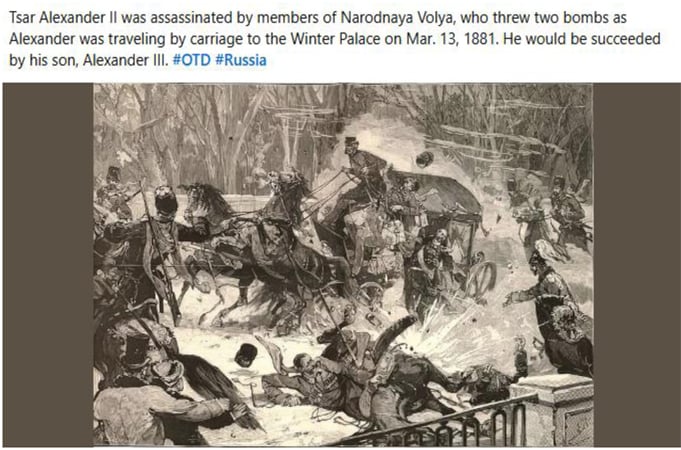
In the late 19th century, female members of the Russian revolutionary group Narodnaya Volya (People’s Will) were instrumental in assassination plots, including the killing of Tsar Alexander II.
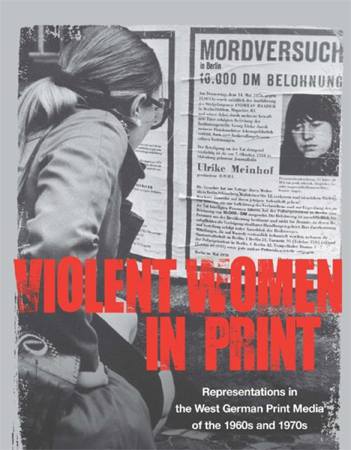
In the 20th century, European radicalism saw women like Ulrike Meinhof of the German Red Army Faction (RAF) and Mara Cagol of the Italian Red Brigades taking lead combat roles, challenging the life-giver archetype with militant life-taking.
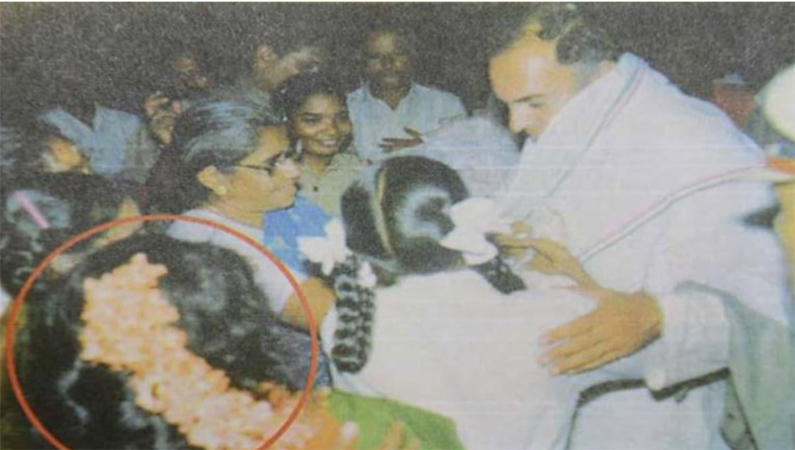
The most structured use of female suicide bombers, however, emerged from the Liberation Tigers of Tamil Eelam (LTTE) in Sri Lanka. Their elite Black Tigresses were pioneers of the suicide vest, most notably in the 1991 assassination of Indian Prime Minister Rajiv Gandhi.
Similarly, the “Black Widows” of Chechnya-women who had lost husbands or brothers to the Russian Chechen wars-became the face of terror in the early 2000s, striking Moscow’s theaters and transit systems.

These groups realized that women could bypass security cordons more easily, exploiting societal biases that viewed them as less threatening.

The Balochistan Context: A Deadly Paradigm Shift
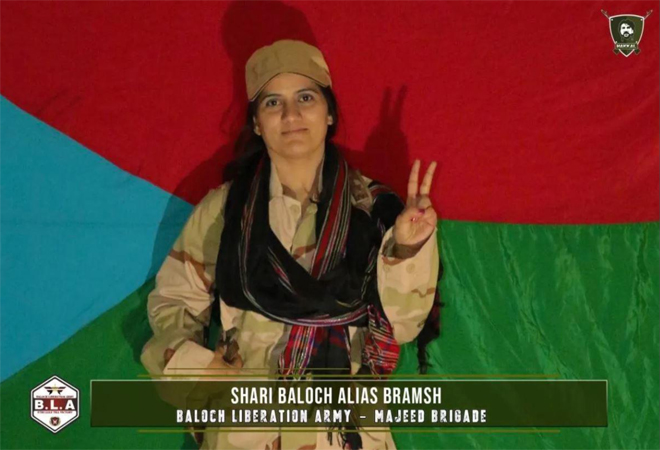
For decades, the Baloch insurgency was characterized by traditional guerrilla warfare-hit-and-run tactics carried out almost exclusively by men from tribal backgrounds. This changed abruptly in the 2020s.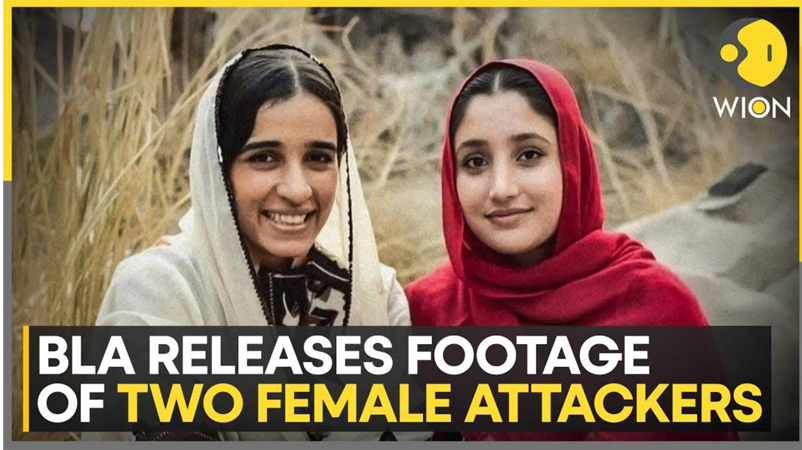
The establishment of the Baloch Yakjehti Committee (BYC) coincides with a chilling transformation in the region’s militancy. In April 2022, Shari Baloch, a highly educated mother of two with a Master’s degree in Zoology, detonated herself at Karachi University, targeting Chinese academics.
This was not a “desperate” act born of poverty; Shari came from an affluent, intellectual family. This set a precedent for others like Summaya Qalandrani, Mahikan Baloch, and Mahal Baloch, many of whom were university-educated and socially mobile.
BYC as a “Recruitment Nursery”
The core of the current narrative suggests that the BYC, while operating under the guise of a human rights
*Ideological Indoctrination: The BYC utilizes a narrative of “colonial oppression,” portraying the Pakistani state as an alien, occupying force. This rhetoric is designed to resonate with the youth, particularly women and children, transforming legitimate grievances into a radicalized worldview.
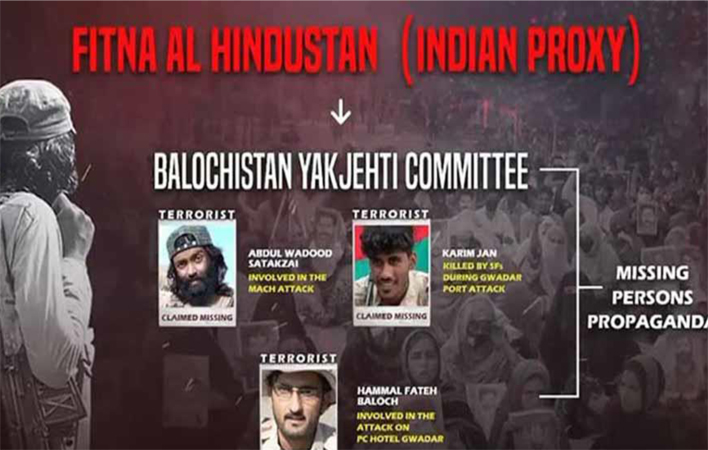
*The Nursery Effect: BYC provides the “raw material”-the disenchanted, ideologically primed individuals-who are then funneled into the BLA’s Majeed Brigade. This brigade is responsible for specialized suicide missions and provides the tactical training seen in BLA-released videos.
* Symbolic Leadership: Leaders like Sabiha Baloch and others are accused of using their platform to romanticize “resistance.” By invoking historical female warriors, they bridge the gap between peaceful protest and armed militancy, making the path to the BLA camp seem like a natural progression of their activism.
The Mechanics of Radicalization
The danger of this evolution lies in its “invisible” nature. Intelligence agencies previously profiled militants as disenfranchised men from remote tribes. The “new” bomber is an educated woman who can navigate urban centers like Karachi or Quetta without suspicion.
BYC acts as the “soft” interface of the insurgency. By maintaining a presence in protest camps and on social media, they normalize the language of “war” and “martyrdom.” Once the psychological barrier is broken at a BYC protest, the transition to the BLA’s explosives laden vests becomes an operational detail rather than a moral leap
Final Words
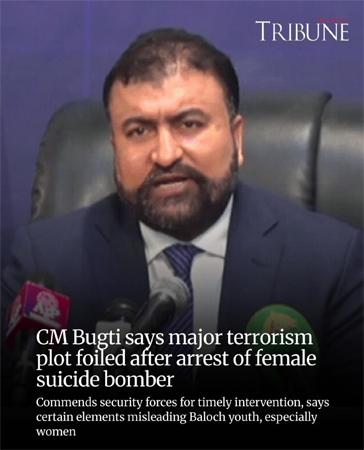
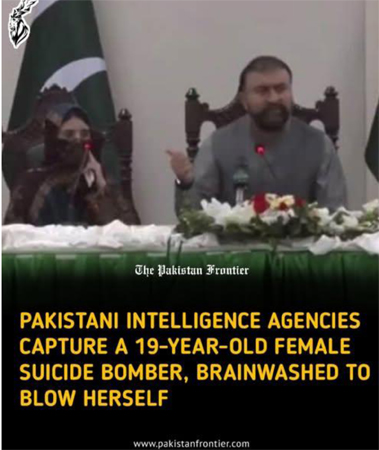
The recent public testimony of Farzana (alias Laiba) alongside Chief Minister Sarfraz Bugti offers a chilling confirmation of this nexus.
Her account details how she was groomed by TTP commanders and directed toward BYC leadership to recruit more women for suicide missions. This convergence between the purportedly secular BYC and extremist groups like the TTP and BLA highlights a shared anti-state agenda funded by foreign interests.
The evidence suggests that the BYC is not merely a bystander but a “factory” for radicalization, using the sanctity of protest camps to funnel “new blood” into the Majeed Brigade. For the Baloch people and the international community, the challenge is now to look beyond the slogans of “human rights” and recognize a calculated machinery designed to transform grief into militancy and activists into ammunition