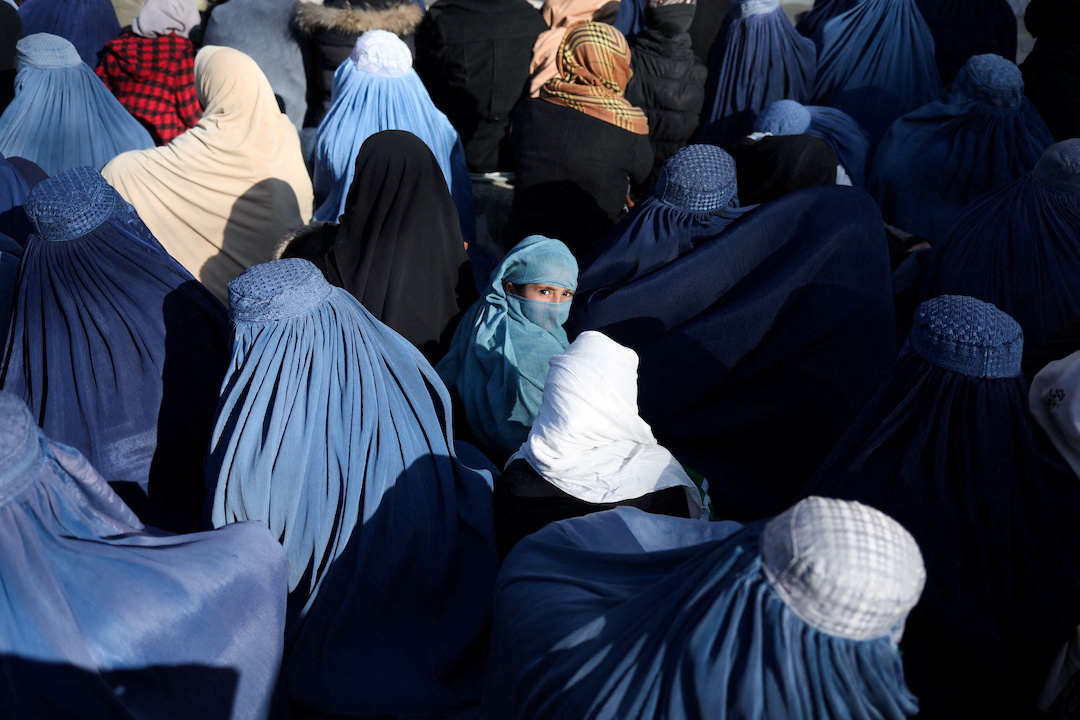
Five Afghan women have shared deeply personal accounts of how they preserve hope and mental strength while living under sweeping restrictions imposed by the Taliban authorities. Since the group’s return to power in 2021, girls have been banned from education beyond the age of 12 and women have been excluded from universities, parks, gyms, and beauty salons. They must cover their bodies in public, leaving only their hands and eyes visible, and risk punishment or imprisonment if they violate these rules.
Despite these barriers, many women quietly resist through small but meaningful personal rituals that protect their sense of identity and purpose. Sanam, a 25-year-old who once dreamed of becoming a doctor, now secretly teaches 30 girls online after universities closed to women in 2022. She keeps a blue notebook hidden in her closet where she writes daily memories, saying the act of recording her thoughts helps her survive emotional isolation and maintain hope.
Read more : UN urges Taliban to lift ban on Afghan women in its offices
Similarly, Sayamoy, a 34-year-old widow whose husband was killed before the Taliban takeover, balances grief with resilience as she raises her children alone. She works as a cleaner while informally teaching neighborhood children at home, even though women face mobility restrictions without a male guardian. When sorrow overwhelms her, she visits her husband’s grave in the mountains and screams into the open air, describing it as a way to release pain and reclaim emotional strength.
Meanwhile, younger women like Hura and Shogofa seek freedom through creative expression and learning despite fear of repercussions. Hura posts photos and videos of herself singing and dressing confidently, even though music is largely banned and women have faced detention for social media activity. Shogofa, who suffers from arthritis and studies online from home, listens privately to exiled Afghan singers such as Aryana Sayeed and Farhad Darya to stay emotionally strong.
Read more : Afghan Women Left on the Margins of Earthquake Relief –
Another woman, Mohjeza, volunteers to teach girls in her mountainous community after losing her NGO job following international aid cuts. She reads books about women who overcame hardship and shares them digitally, believing such stories fuel courage in dark times. Although visa rejections have blocked her hopes of studying abroad, she urges others not to lose hope, reminding them that even in confinement, resilience can become a quiet form of resistance.