 Mishal Pakistan, the Country Partner Institute of the World Economic Forum (WEF), has officially released the Pakistan Reforms Report 2026.
This second edition details the country’s transition toward a more structured and digital governance model.
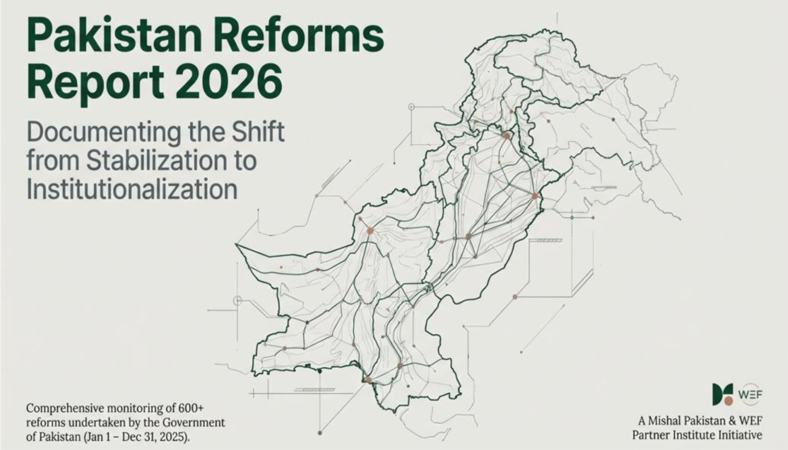
Tracking approximately 660 reforms implemented across 135 federal institutions, the report highlights a fivefold increase in reform activity compared to the previous year.
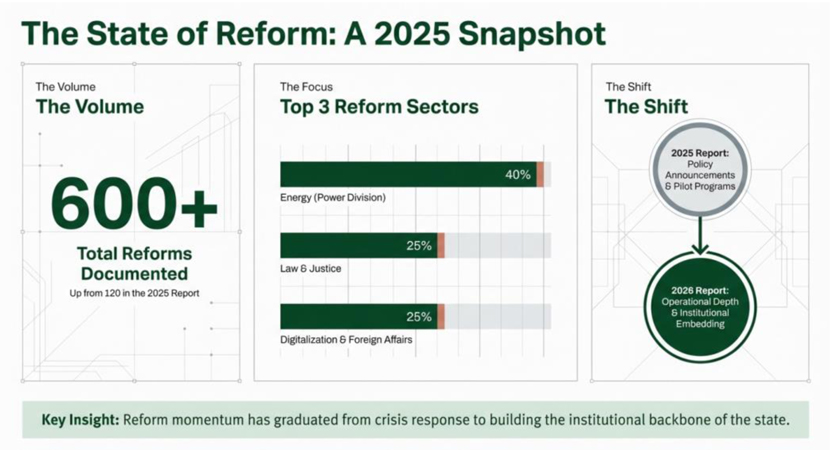
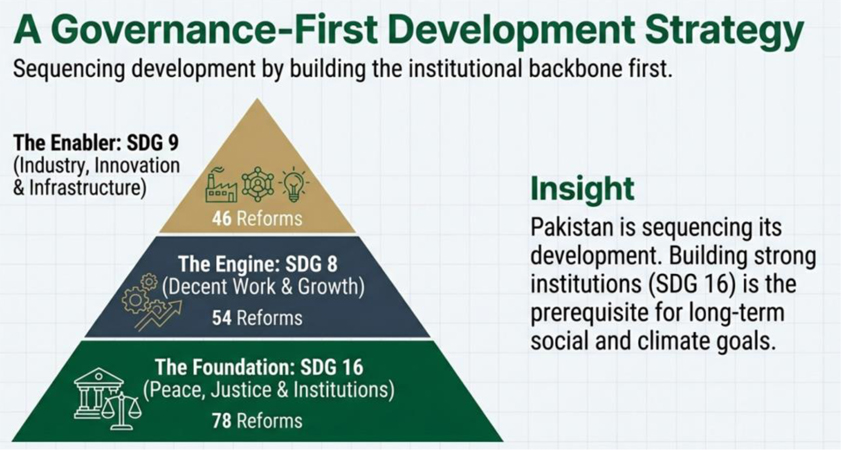
The report, which serves as the country’s premier systematic documentation of policy evolution, indicates that Pakistan has moved beyond mere crisis management toward building robust, long-term state capacity where SDG mapping, and cross-sector transparency are becoming the new institutional norm.
The Twin Pillars of Stability
The 2026 report identifies the Power and Energy sector as the primary driver of reform, contributing 118 distinct initiatives. These measures were central to the country’s fiscal recovery, most notably the PKR 1.225 trillion circular debt restructuring and renegotiations with Independent Power Producers (IPPs).
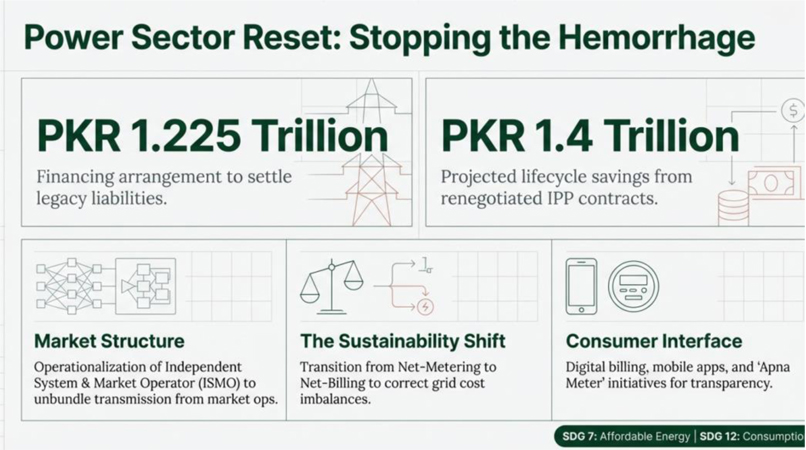
Experts project lifecycle savings of PKR 4.2 trillion from these renegotiations, offering a much-needed breather for the national exchequer.
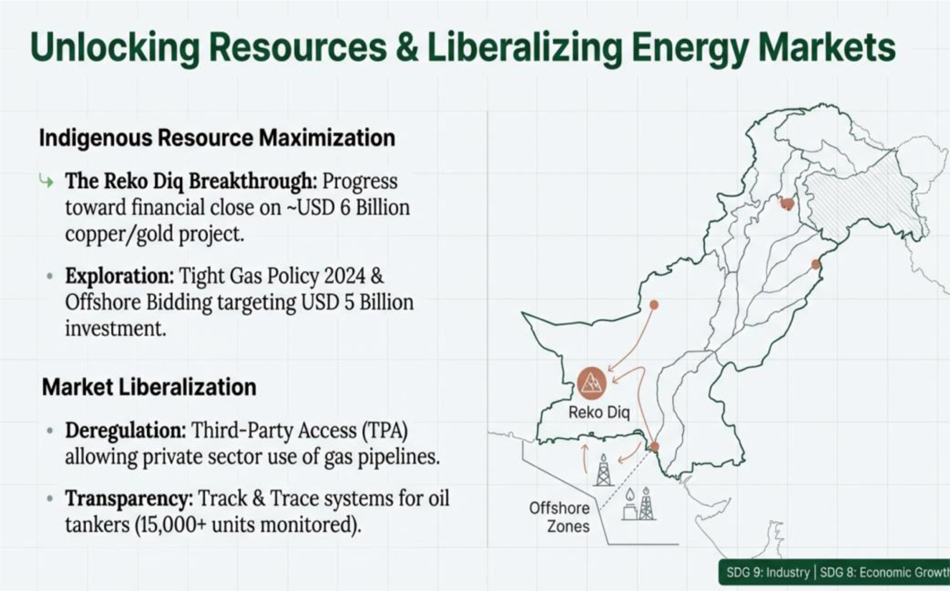
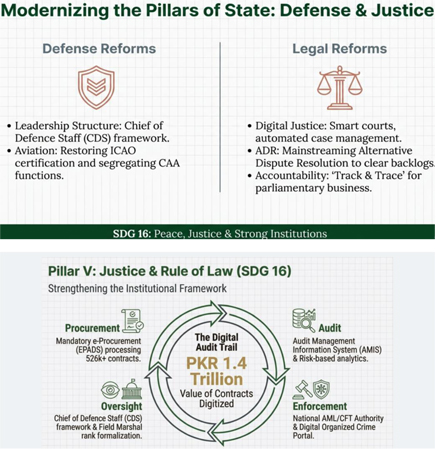
Simultaneously, the Law and Justice sector emerged as a surprising runner-up with 96 reforms. The focus here has been on “Digital Justice,” utilizing automated case tracking and procurement transparency to restore the rule of law. These efforts are increasingly viewed not just as legal milestones, but as economic enablers that bolster investor confidence.
The Digital Backbone: Governance in the Palm of Your Hand
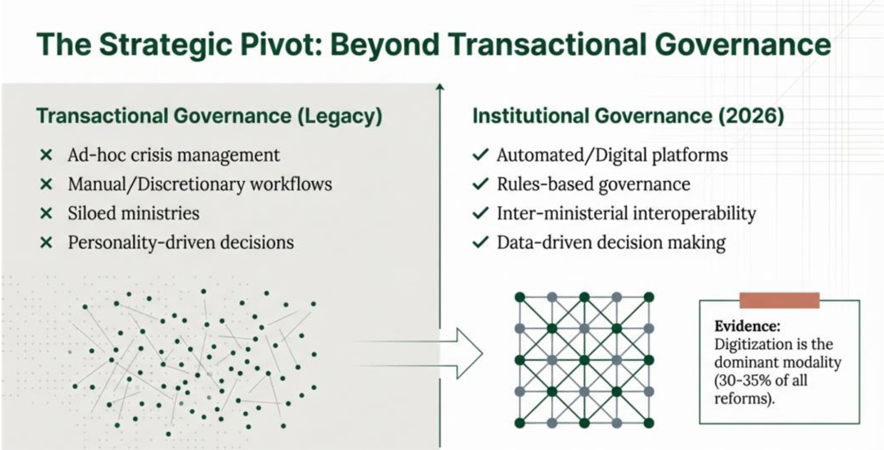
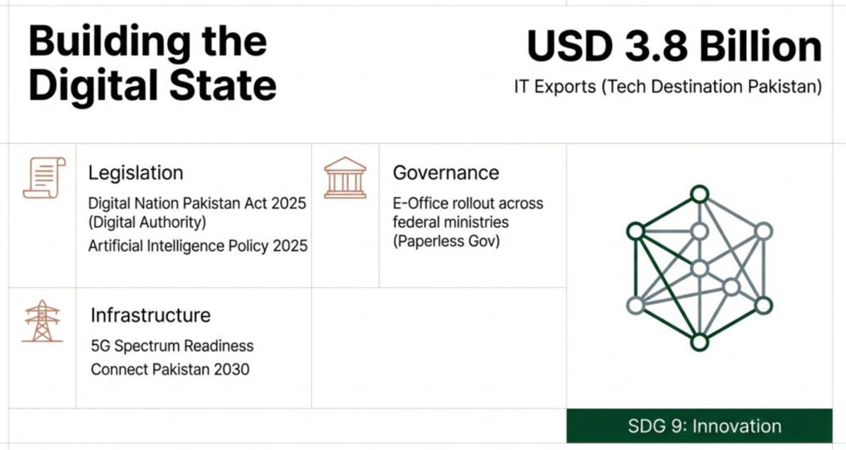
A defining feature of the 2025-2026 reform cycle is the aggressive push toward Digital Governance. With 74 specific IT reforms, nearly one-third of all government actions were digital in nature.
Between 160 and 190 reforms were “people-centric,” focusing on digital service portals, mobile apps for grievance redress, and digital certification.
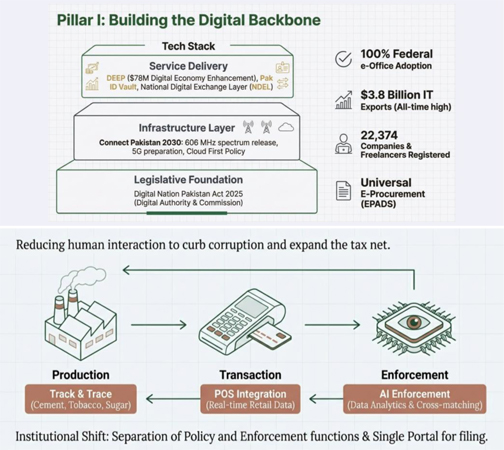
The enactment of the Digital Nation Pakistan Bill 2025 provided the legal framework for the “Pakistan Stack,” a digital data exchange layer designed to eliminate paper-based queues and simplify interactions with the state.
Sectoral Breakdown: Where the Changes Are Happening
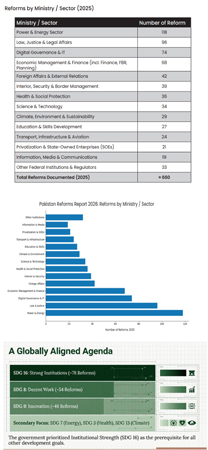
The breadth of the 2026 report shows that reform is no longer confined to finance ministries. Participation has expanded into climate, human rights, and social protection.
Human Capital
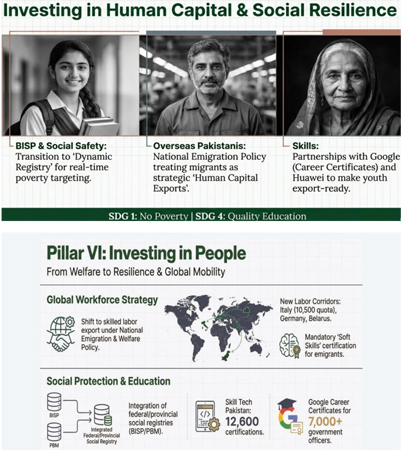
The report emphasizes that policy is only as good as its execution. In 2025, an estimated 15,000 officials were upskilled. This includes the awarding of 12,600 Skill Tech certifications and specialized training for 7,000 officers through Google Career Certificates. This shift treats human capital as a core enabler of reform rather than a peripheral administrative cost.
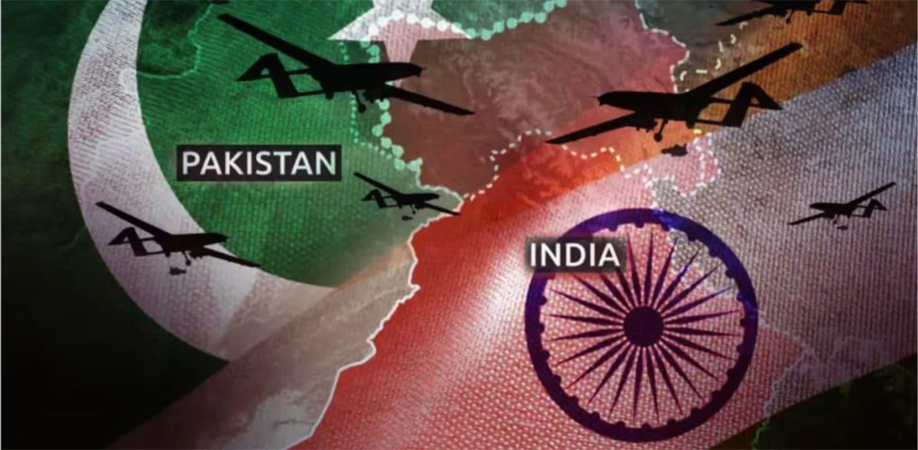
Navigating Resilience: Governance Under Stress
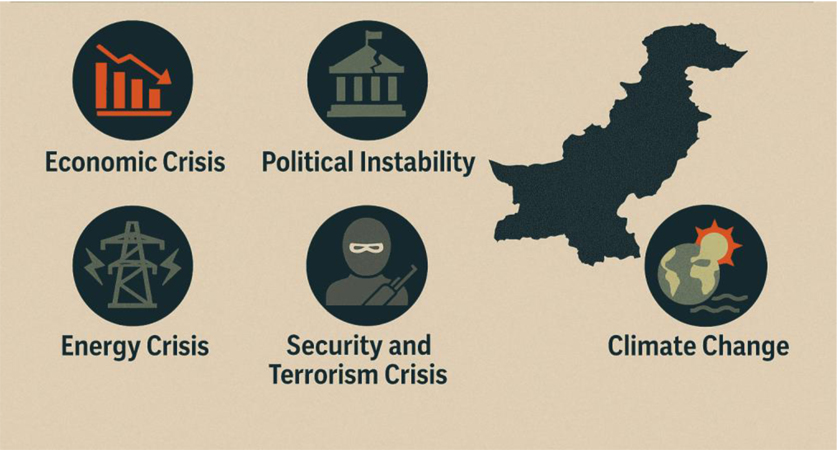
Notably, this massive reform agenda was sustained despite a year of significant “stressors.”
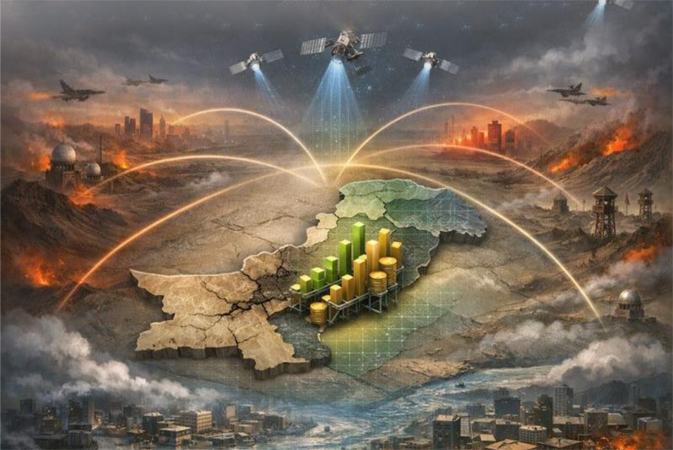
The report acknowledges that fiscal pressure, political polarization, and the military escalation of May 2025 temporarily diverted administrative energy.
However, the fact that momentum continued suggests a growing institutional resilience within the Pakistani state.
The Road Ahead: Challenges of Execution
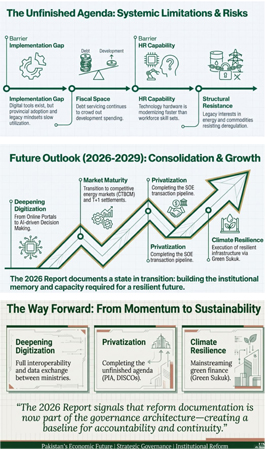
While the report celebrates a “fivefold increase” in reform volume, it concludes with a strategic warning. The primary risk to Pakistan’s trajectory is no longer a lack of intent, but rather execution fatigue and coordination gaps between federal and provincial authorities.
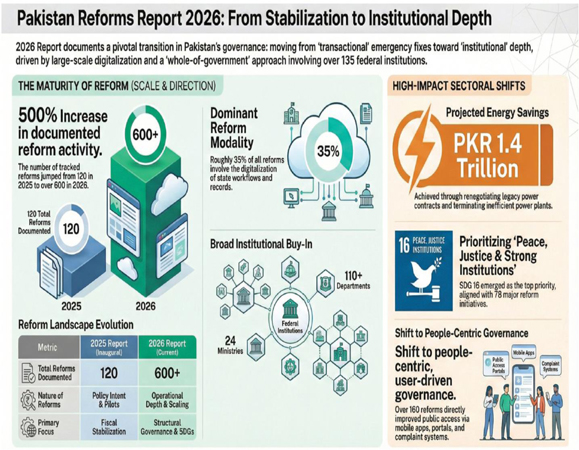
As Pakistan aligns its 2026 agenda with SDG 16 (Peace, Justice, and Strong Institutions), the focus must now shift from documenting change to deepening the delivery of services to the common citizen.