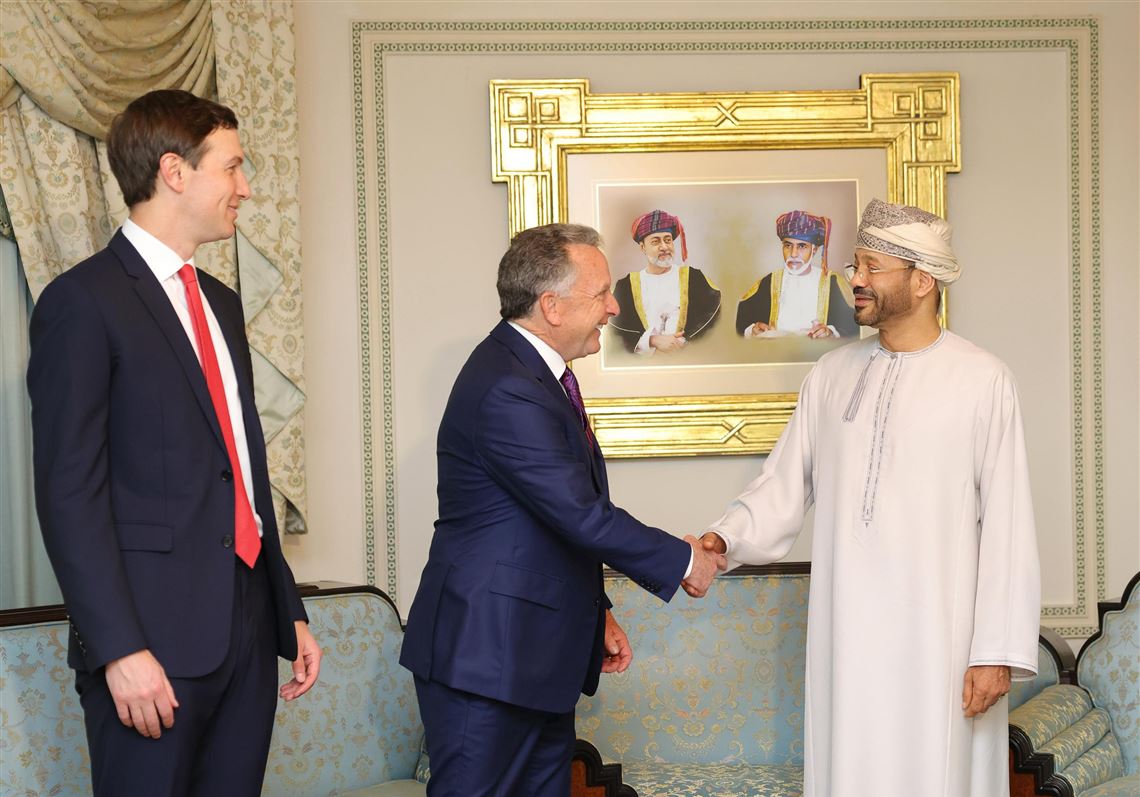
The United States (US) and Iran have signalled tentative progress following indirect negotiations in Oman, with both sides describing the talks as constructive while warning that major challenges remain.
US President Donald Trump said on Friday that Washington held “very good talks” with Iran after delegations from the two countries met in Muscat through Omani mediation. Speaking to reporters aboard Air Force One, Trump said further discussions were expected early next week, but warned that “the consequences are very steep” if Tehran fails to reach an agreement.
Read More: Iran, US nuclear talks in Oman were a good start, FM Araghchi says
Iranian officials also struck a cautiously optimistic tone. Foreign Minister Abbas Araghchi, who led Iran’s delegation, said the talks focused exclusively on the nuclear issue and were conducted in a “positive atmosphere.” He confirmed that both sides had agreed to continue negotiations, while urging Washington to refrain from threats and pressure so diplomacy could proceed.
.@POTUS: “We had very, very good talks today having to do with Russia-Ukraine… We likewise had very good talks on Iran. Iran looks like it wants to make a deal very badly… We broke 50,000 on the Dow. Most people thought that was not possible to do so quickly.” pic.twitter.com/F3htRQPre7
— Rapid Response 47 (@RapidResponse47) February 7, 2026
The talks marked the first engagement between the two longtime adversaries since the United States joined Israel’s war with Iran in June, carrying out strikes on Iranian nuclear sites. Although the delegations did not meet face-to-face, multiple sessions were held throughout the day, with Omani officials shuttling between the sides.
Shortly after the talks concluded, Washington announced new sanctions targeting shipping entities and vessels involved in Iran’s oil exports. US officials said the measures were part of the administration’s “maximum pressure” campaign, though it remained unclear whether they were directly linked to the Oman discussions.
Read More: Iran submits nuclear plan to US in Oman
Regional and international reactions were mixed. Qatar expressed hope that the dialogue would lead to a comprehensive agreement enhancing regional stability, while France urged Iran to stop acting as a “destabilizing power” and rein in its nuclear program and regional allies.
Despite renewed diplomacy, tensions remain high. The United States has reinforced its military presence in the region, while Iran has warned it would retaliate against US bases if attacked, underscoring the fragile nature of the talks.