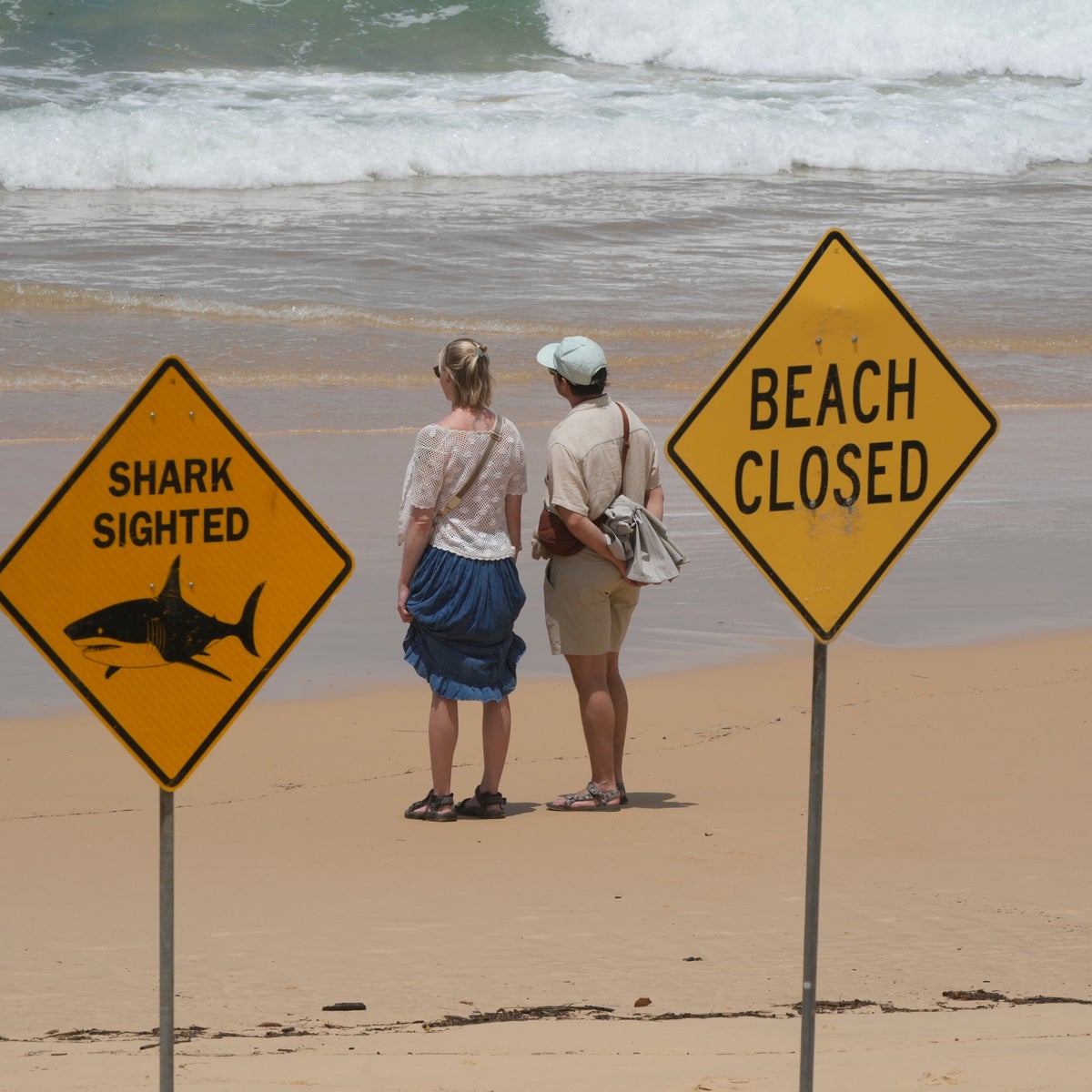
SYDNEY: Authorities closed beaches across northern Sydney on Tuesday after a man in his 20s was critically injured in a shark attack, marking the city’s third such incident in two days.
Read More: Shark mauls boy in Sydney Harbour
Police said emergency crews were called to Manly on Monday evening after reports that a surfer had been bitten by a shark. The man sustained severe leg injuries and was rushed to hospital in critical condition.
Three shark attacks in 2 days in Sydney, with 20 beaches now closed https://t.co/MjE0Hw4MpI pic.twitter.com/YNMD78Vu1W
— Claire Lehmann (@clairlemon) January 19, 2026
New South Wales Police confirmed that all beaches in the Northern Beaches council area would remain closed until further notice as lifeguards and marine experts monitored the coastline. Warning signs were installed at popular surf spots, while drones were deployed to scan for sharks offshore.
Earlier on Monday, a 10-year-old boy escaped unharmed after a shark struck his surfboard, knocking him into the water and tearing away a section of the board. Officials said the child was rescued quickly and required no medical treatment.
On Sunday, another attack left a young boy in critical condition at a city beach, prompting calls for greater surveillance and temporary closures during peak activity. The cluster of attacks has raised concerns among beachgoers at the height of the Australian summer holiday period.
Marine experts said heavy rainfall in recent days may have contributed to the surge in shark sightings, with runoff creating murky, nutrient-rich conditions preferred by bull sharks, a species known to frequent harbours and brackish coastal waters.
Read More: Sydney beaches shut again as mysterious debris washes ashore
Australia records about 20 shark attacks annually, with fewer than three fatalities on average, according to conservation groups. Officials noted that the risk remains low compared with drownings, which claim far more lives each year along the country’s coastline. Authorities said beaches would reopen once conditions stabilise and surveillance confirms the area is safe.