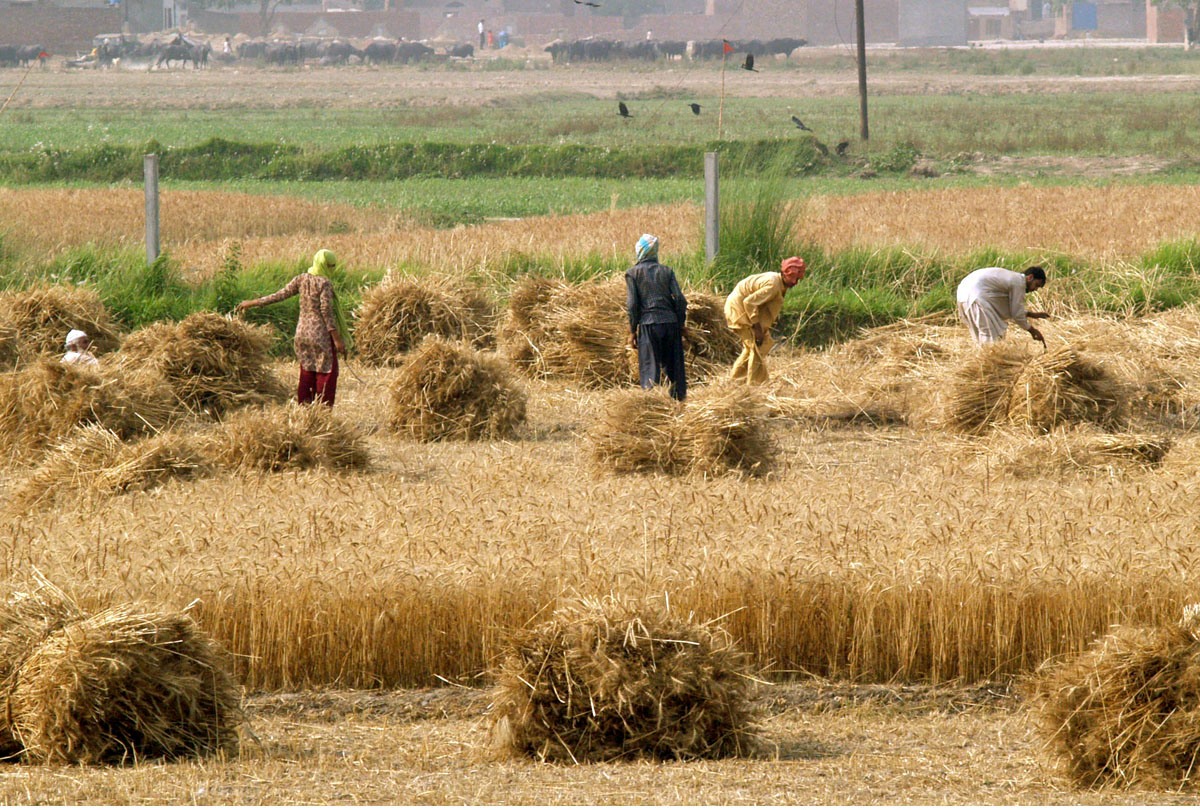
ISLAMABAD: Experts have called for a major shift in Pakistan’s agricultural policy to boost productivity, diversify crops, and enhance exports. Historically, the focus has been on improving crop yields through better seeds, fertilisers, pest control, and extension services. While these measures raised yields modestly, Pakistan’s growth in agricultural output has lagged behind population growth, leaving rural poverty largely unaddressed.
Read More: Transforming Pakistan’s agricultural future
Over the past 25 years, wheat yields increased from 878kg to 1,322.5kg per acre, a compound annual growth rate of just 1.66%, compared with a population growth rate of 2.5%. Similar low yield growth has been observed for rice, sugarcane, rapeseed, mustard, and potato. Experts note that decades of underinvestment in agricultural research have limited the development of high-yielding, climate-resilient seed varieties.
Harvest and post-harvest losses further constrain output, with up to 10% losses for grains and oilseeds and 30% for fruits and vegetables. Poor storage, outdated equipment, and contamination risks have led to millions of tonnes of produce being wasted and export shipments rejected due to aflatoxin.
To achieve sustainable growth, experts recommend a focus on crop diversification and value addition. Pakistan has a comparative advantage in high-value crops such as garlic, turmeric, olives, peas, and groundnuts. Supporting small and medium enterprises (SMEs) in agricultural processing, improving supply chains, and securing reliable export markets are crucial for these initiatives to succeed.
Read More: Reforms implemented to strengthen food, agricultural governance
Despite some progress from farmer-led innovations and private-sector input provision, government support remains limited. Experts say a comprehensive policy framework targeting research, crop diversification, and export-oriented processing is essential to transform agriculture into a driver of rural employment, economic growth, and international competitiveness.