
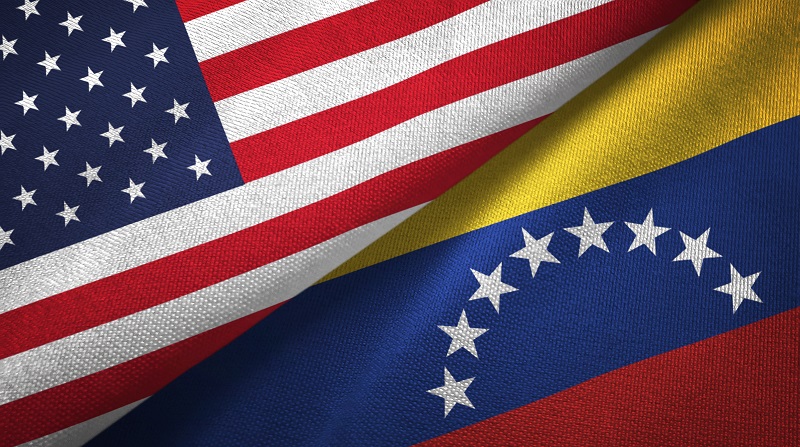
On January 3, 2026, Venezuelans woke to the sound of explosions and uncertainty. U.S. airstrikes hit key installations across the country, while American Special Forces carried out a raid that ended with President Nicolás Maduro and his wife, Cilia Flores, taken into custody and flown out of Venezuela. Within hours, U.S. President Donald Trump announced that Washington would temporarily run the country to oversee a transition of power and rebuild its infrastructure.
For millions of Venezuelans tired by years of economic collapse, shortages, and political suppression, the moment felt strange. For the rest of the world, it marked something even bigger the first direct U.S. military intervention in Latin America in decades.
Washington claims the operation was about restoring democracy, protecting human rights and stopping drug trafficking networks. But outside U.S. government circles, few believe the story is that simple. To many observers, Venezuela’s huge natural wealth especially its oil looms large behind the decision to turn years of sanctions and pressure into open military force.
A Country Rich in Resources, Poor in Daily Life
Venezuela is one of the most resource-rich countries on the earth. It sits over the world’s largest proven oil reserves more than Saudi Arabia along with enormous deposits of natural gas, gold, coltan, iron ore, and rare earth minerals. In theory, this wealth should have guaranteed prosperity. In reality, it has accorded with deep poverty, corruption, and conflict.
Under the Maduro regime, oil production collapsed as mismanagement, poor infrastructure, and U.S. sanctions choked the industry, once a major oil supplier to the United States became a symbol of economic destruction. Critics say the government misused its resources to survive politically and reward allies, while supporters argue sanctions were designed to break the economy and force regime change.
For ordinary Venezuelans, the result was the same empty shelves, mass migration, and a sense that their country’s riches never belonged to them.
How Relations Reached the Breaking Point
Strained relation between Washington and Caracas did not appear overnight. They deepened under Hugo Chávez, who nationalized industries and openly challenged U.S. influence, and worsened under Maduro. Sanctions began gradually but escalated sharply after 2019, when the U.S. recognized opposition leader Juan Guaidó as interim president and imposed an oil embargo aimed at squeezing Maduro out of power.
By late 2025, backchannel talks reportedly explored easing pressure in exchange for energy concessions but they collapsed. Soon after, U.S. military forces began positioning in the region. Donald Trump justified the recent attack by citing rigged elections, alleged criminal links, and threats to U.S. security.
Yet what stood out most were Trump’s own words after the operation. He spoke openly about controlling oil infrastructure, bringing in American companies, and “making a lot of money” for the United States language that blurred the line between security policy and commercial desire.
The World Reacts and Remembers
As U.S. attacks on Venezuela, the prompt reaction was divided. Some Venezuelans celebrated the removal of Maduro, hoping it would end years of suffering. Others feared a return to an old Latin American story, where foreign powers used to decide the fate of nations rich in resources but weak in power.
Regional leaders, especially Russia and China, condemned the intervention as imperialism. International media drew parallels to past U.S. wars where humanitarian arguments were paired with economic interests, most notably Iraq. Analysts warned that openly tying military action to profit undermines U.S. claims of defending democracy.
What This Moment Really Represents
The U.S. attack on Venezuela did not happen for a single reason. It grew out of years of hostility, failed diplomacy, sanctions, and political turmoil. But beneath the rhetoric about democracy and security lies a harder truth, Venezuela’s oil and mineral wealth has always been central to its global importance.
As the world moves through an uneasy energy transition, control over such vast reserves offers strategic power especially to a U.S. administration that openly prioritizes economic gain. Whether this intervention brings stability or repeats the failures of past resource-driven wars remains uncertain.
For Venezuelans, however, the stakes are painfully clear. Once again, their country’s extraordinary wealth has become the reason outsiders fight over their future while they wait to see whether this latest chapter brings relief, or simply another form of control.