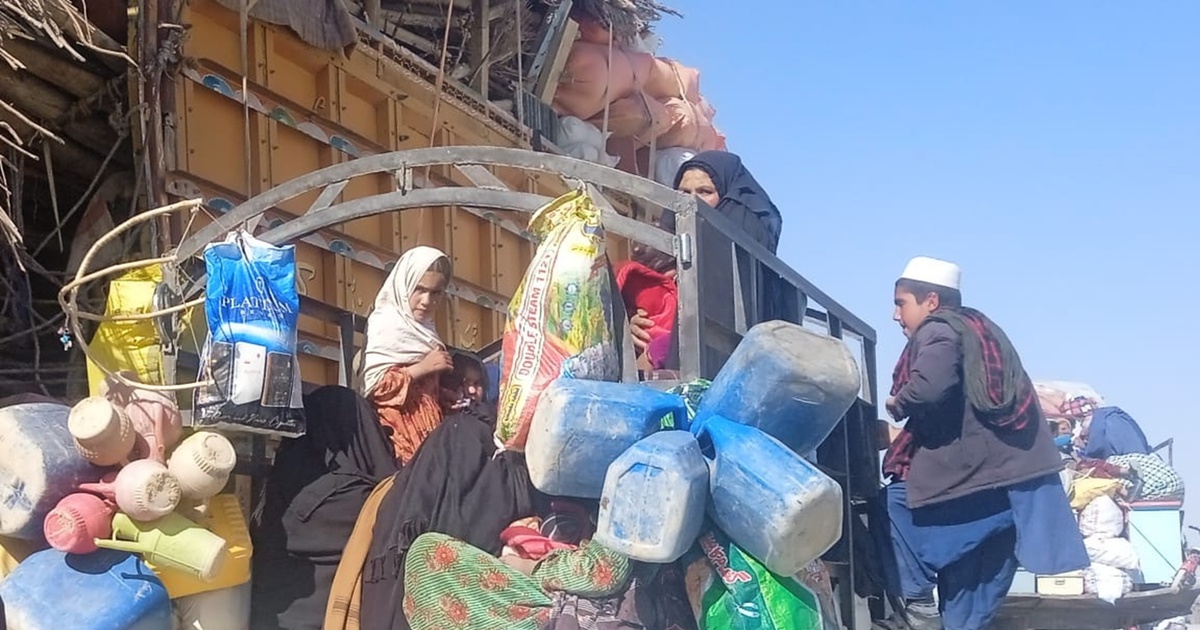
Despite the return of more than a million Afghans during 2025, around two million Afghan nationals are still residing in Pakistan, according to the latest data released by the United Nations High Commissioner for Refugees (UNHCR).
Read More: UNHCR urges Pakistan to extend Afghan stay
The refugee agency reported that 171,055 Afghans returned to Afghanistan in November alone. Of these, 37,899 were deported via the Chaman, Torkham and Barabcha border crossings. During the same month, more than 31,500 holders of Afghan Proof of Registration (PoR) cards were repatriated through UNHCR-operated centres.
UNHCR noted that heightened tensions along the Pakistan-Afghanistan border in November disrupted humanitarian operations, restricted cross-border movement and led to the temporary relocation of UN agencies from the Chaman border area. Despite these challenges, UNHCR and its partners continued to provide essential services, including legal aid, mental health and psychosocial support, as well as the resumption of women and girls’ safe spaces and child-friendly facilities.
The data comes amid the ongoing implementation of Pakistan’s Illegal Foreigners’ Repatriation Plan (IFRP), introduced in September 2023. The first two phases of the plan, targeting undocumented Afghans and Afghan Citizenship Card holders, resulted in the return of more than 1.1 million Afghans by July 2025.
The third phase, launched in September 2025 and focused on PoR card holders, has so far seen nearly 166,000 individuals return to Afghanistan. Overall, UNHCR estimates that more than 1.82 million Afghans have left Pakistan since the IFRP began.
Read More: UNHCR urges Pakistan to reconsider decision to deport registered Afghans
The government has also de-notified all 54 Afghan refugee villages in Khyber Pakhtunkhwa, Balochistan and Punjab, urging remaining refugees to return. Meanwhile, UNHCR continues to advocate exemptions for Afghan students enrolled in Pakistani universities. Although no formal policy has been announced, enrolled students are currently being exempted from the repatriation drive.