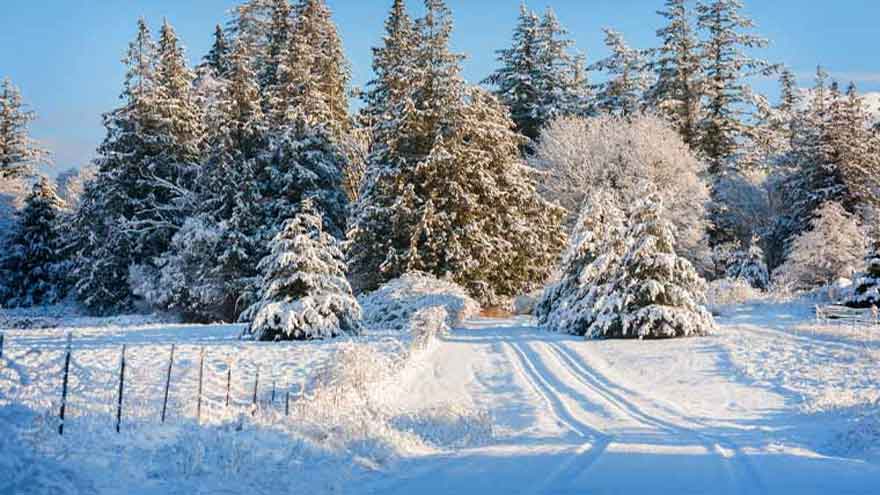
Climate experts in London have warned that over the next 40 to 50 years, winter seasons in most countries could shorten dramatically, lasting just one and a half to two months. The findings highlight the rapid pace of global warming and its potential impact on seasonal cycles.
Read More: Winters in Lahore — of what once was
Researchers said temperatures are rising four times faster in the Arctic and Antarctic regions than in the rest of the world. This accelerated warming is weakening the polar cold winds that travel toward the equator, which play a crucial role in bringing winter to countries such as Pakistan.
As a result, summer periods are lengthening while winter durations are shrinking across much of the globe. Experts predict that in the future, summer could extend to seven or even eight months in some regions.
These shifts in seasonal patterns are expected to have serious consequences for global food systems. Changes in winter and summer lengths can affect crop yields, water availability, and the timing of agricultural cycles.
Scientists emphasize the urgency of addressing climate change to mitigate these impacts. Without significant action, countries may face longer summers, shorter winter, and increasing challenges for food production and ecosystem stability.
Read More: Winter alert: Snowfall and rain to lash northern Pakistan
The study underscores the interconnectedness of polar climate changes with weather patterns worldwide. Policymakers and communities are being urged to prepare for a future where traditional seasonal cycles may no longer follow historical norms.