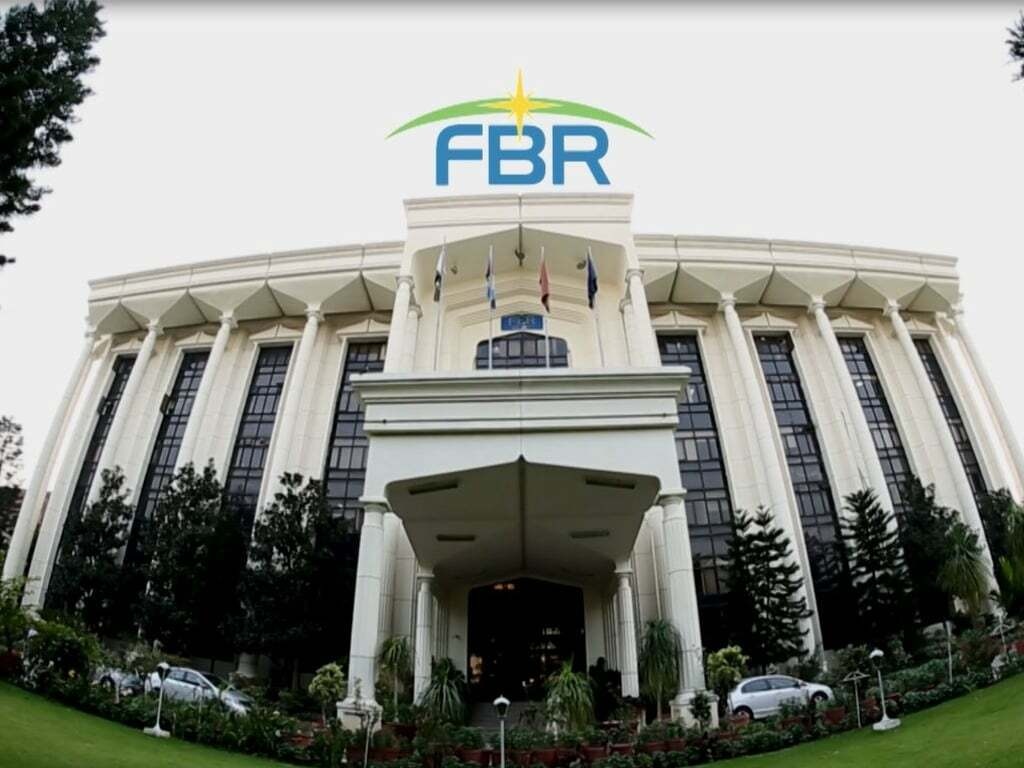
The Federal Board of Revenue has suspended newly notified property valuation tables in Islamabad, offering immediate relief to a real estate sector already under pressure. The decision followed strong resistance from property dealers and investors who rejected the revised rates announced earlier this month. As a result, market uncertainty eased, and confidence among stakeholders showed early signs of recovery.
Earlier, the FBR had imposed new valuation rates on December 8, which sparked widespread concern across the property sector in the federal capital. Industry representatives argued that the rates were unrealistic and risked further slowing buying, selling, and construction activity. Therefore, sustained opposition forced authorities to reconsider the policy.
Read more : Maryam Nawaz launches ordinance to end land grabbing in Punjab
Meanwhile, in a related development, the Capital Development Authority has appointed a consultant to evaluate illegal and unplanned housing colonies in Islamabad. The assessment will determine whether these settlements qualify for regularisation or face demolition under a broader urban planning framework. Thus, the move signals stricter oversight alongside potential relief for certain communities.
Officials expect the regularisation process to begin with commercial properties located in rural areas and older settlements. This phased approach aims to correct long-standing planning violations while limiting disruption to economic activity. Consequently, authorities hope to balance enforcement with practical urban development needs.
Read more : Pakistan’s budget 2025: Big tax cuts for property buyers –
The consultant will collect detailed data on rural Islamabad, older settlements, and illegal housing schemes across the region. Based on these findings, recommendations will be submitted outlining appropriate action for each category of settlement. Ultimately, this review will guide future planning decisions.
Additionally, proposals include extending the CDA’s jurisdiction into rural Islamabad to strengthen planning and regulatory control. Officials believe this step will improve governance, infrastructure development, and oversight in areas long outside formal administration. In conclusion, the combined measures reflect a major shift in property regulation and urban planning policy.