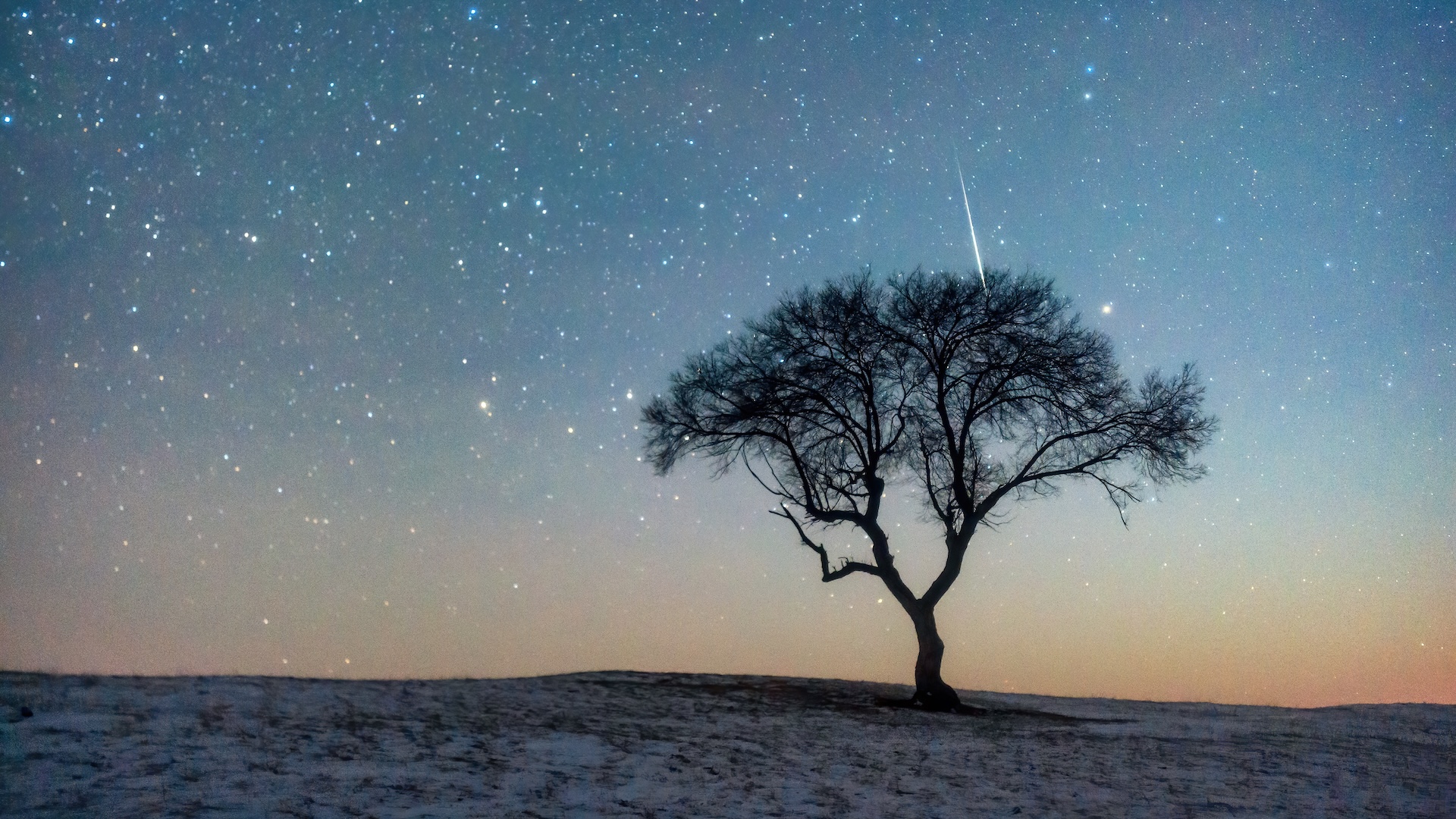
Stargazers are in for a spectacular celestial event as the Geminid meteor shower 2025 reaches its peak on the nights of December 13 and 14. This annual phenomenon promises bright meteors visible across much of the globe.
When and Where to Watch
The Geminid meteor shower remains active from December 4 to 20 each year. This year, minimal moonlight interference will enhance visibility, as the last quarter moon occurs on December 11, providing darker skies for optimal stargazing.
Unique Origins of the Geminids
Unlike most meteor showers, the Geminids originate from the asteroid Phaethon rather than a comet. This unique source contributes to their bright, vivid meteors and impressive abundance, making them a favorite among astronomy enthusiasts.
Historical Significance
The Geminid meteor shower has a recorded history of nearly 200 years, first observed in 1833. Its continued strength is influenced by Jupiter’s gravity, which draws the stream of particles closer to Earth for consistent displays.
Viewing Tips
For the best experience, observers should not focus solely on the Gemini constellation, located northeast of Orion. Scanning the surrounding sky often reveals meteors with shorter trails that are equally spectacular and easier to spot.
Global Visibility
While the shower is best viewed from the Northern Hemisphere, the meteors are also visible in the Southern Hemisphere. Enthusiasts should find clear, dark skies away from city lights to fully enjoy this natural spectacle.