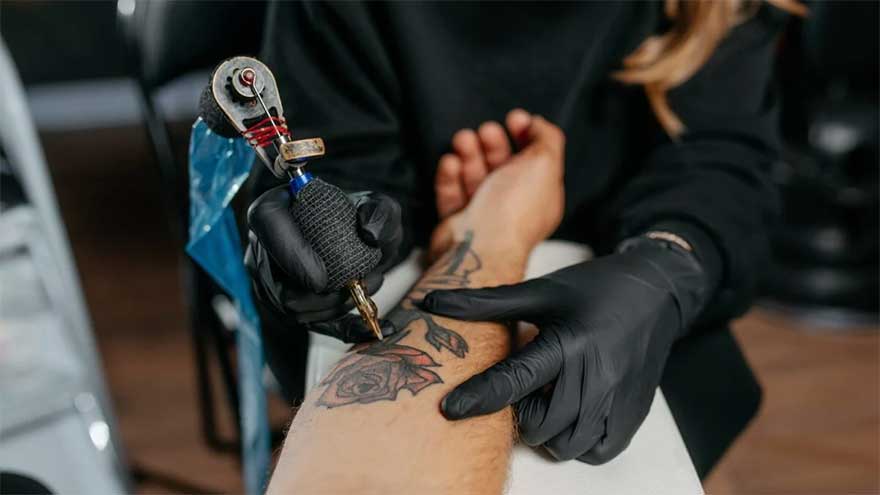
Tattoos may not be as harmless as once thought, according to a new study that found people with tattoos face a 29% higher risk of developing melanoma, a serious form of skin cancer linked to ultraviolet (UV) exposure.
Researchers found that while tattoos increased the likelihood of melanoma, they did not appear to affect the risk of squamous cell carcinoma, another type of skin cancer related to UV damage. Melanoma arises from different skin cells and is generally more dangerous than squamous cell carcinoma.
Read More: Tattoo Artist Alisha Gory Sheds Light On The Negative Stigma around tattoos
Tattoos have become a major form of self-expression, with roughly one in three adults in Sweden sporting body art. Despite their popularity, scientists still know little about how tattoos may affect long-term health.
Studying this link is challenging because health records rarely document tattoo status, and people who get tattoos often differ in lifestyle and health habits from those who do not. To address this, researchers conducted a case-control study, focusing on people already diagnosed with skin cancer and comparing them to cancer-free individuals.
The study used Swedish national health registers to identify 2,880 melanoma cases and 2,821 squamous cell carcinoma cases, selecting three matched controls for each patient. Participants completed questionnaires detailing their tattoos, including size, location, and age at first tattoo.
Results showed that individuals with tattoos were 29% more likely to develop melanoma, with the highest risk seen among those who had tattoos for more than ten years. However, researchers caution that the numbers in this subgroup were smaller, and findings should be interpreted carefully.
Read More: Tattoos still give Japan the needle as Olympics loom
Experts advise that people with tattoos should not panic but remain vigilant. Protecting the skin from UV radiation, using sunscreen, avoiding excessive tanning, and monitoring for new or changing moles remain essential preventive measures.