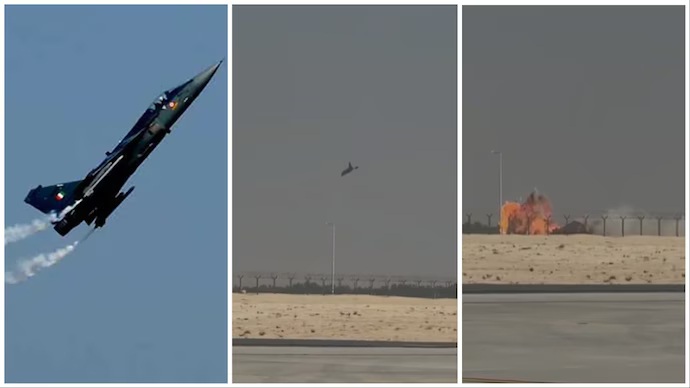
India faces international scrutiny after its Tejas fighter jet crashed, with media blaming delayed US engine supplies. Critics say this narrative hides local defense weaknesses. Analysts warn that shifting blame may harm India’s global credibility.
The crash occurred during the Dubai Air Show, drawing worldwide attention. Indian commentators, including retired General Bakshi and anchor Arnab Goswami, linked it to delayed GE-404 engines. They claimed only two engines were delivered despite India paying $1 billion for the batch.
Read more: Indian fighter jet disaster sparks calls for Air Force Chief’s resignation
Media figures argued that delays weakened India’s defense readiness and risked national security during potential military operations. Goswami described the US as “never a friend of India” and accused Washington of strategic obstruction. Meanwhile, Bakshi said the aircraft’s late engines created a “dangerous gap” in military preparedness.
Critics inside and outside India say the blame shift fails to address systemic issues. They argue the Tejas crash exposes flaws in quality control and the defense production ecosystem. Analysts warn that political and media rhetoric distracts citizens from real defense problems.
Read more: Indian Fighter jet Tejas crashes at Dubai airshow
Despite India’s efforts, global observers see the accident as a reflection of internal weaknesses. Experts say shifting blame to the US is unlikely to improve perceptions of India’s military capability. Analysts conclude that accountability issues, rather than foreign interference, remain the central concern.