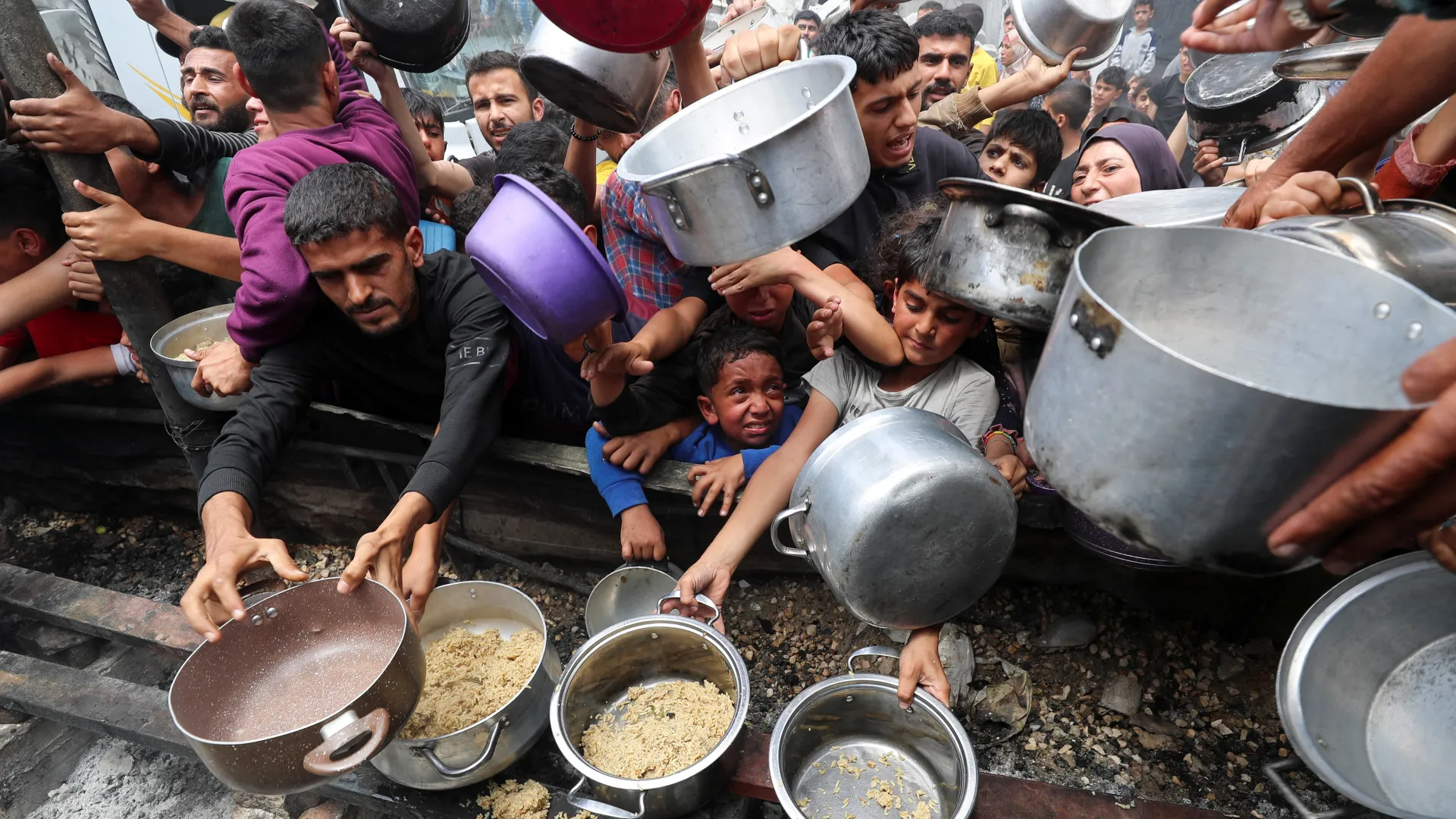
The United Nations World Food Programme has warned that the global hunger crisis is deepening as humanitarian resources continue to fall short of rapidly growing needs. In its 2026 Global Outlook, the agency projected that 318 million people will face crisis-level hunger or worse next year, which is more than double the number recorded in 2019.
Moreover, declining funding has forced the WFP to scale back its plans, with the agency expecting to assist only about 110 million of the most vulnerable individuals in 2026. This support would require $13 billion, yet current trends show the organisation may receive only half of that amount, significantly limiting its life-saving operations around the world.
Read more : Afghanistan’s deepening crisis: nine in ten families face hunger and ..
Additionally, WFP Executive Director Cindy McCain highlighted the alarming rise of simultaneous famines in regions such as Gaza and parts of Sudan. She stressed that hunger is becoming deeply rooted and warned that the world is failing to act early and effectively, even though timely intervention can prevent widespread starvation and save countless lives.
Furthermore, major donors have reduced their contributions, including substantial cuts from the United States under President Donald Trump’s administration. The WFP expects its 2025 funding to fall by 40%, resulting in a projected budget of $6.4 billion, which marks a steep drop from the $10 billion allocated in 2024.
Read more : Gaza faces worst hunger crisis as children beg for food
Meanwhile, the agency said conflicts, extreme weather events and economic instability remain the biggest drivers of severe food insecurity across multiple regions. Although famine prevention efforts helped communities avoid starvation in 2025, the overall crisis continues to escalate with no signs of relief in sight.
In response, the WFP plans to deliver emergency food supplies, support nutrition programmes, strengthen community resilience and use technology to improve efficiency. It urged global donors to increase investments in long-term, proven solutions to curb hunger and move closer to the shared goal of achieving zero hunger worldwide.