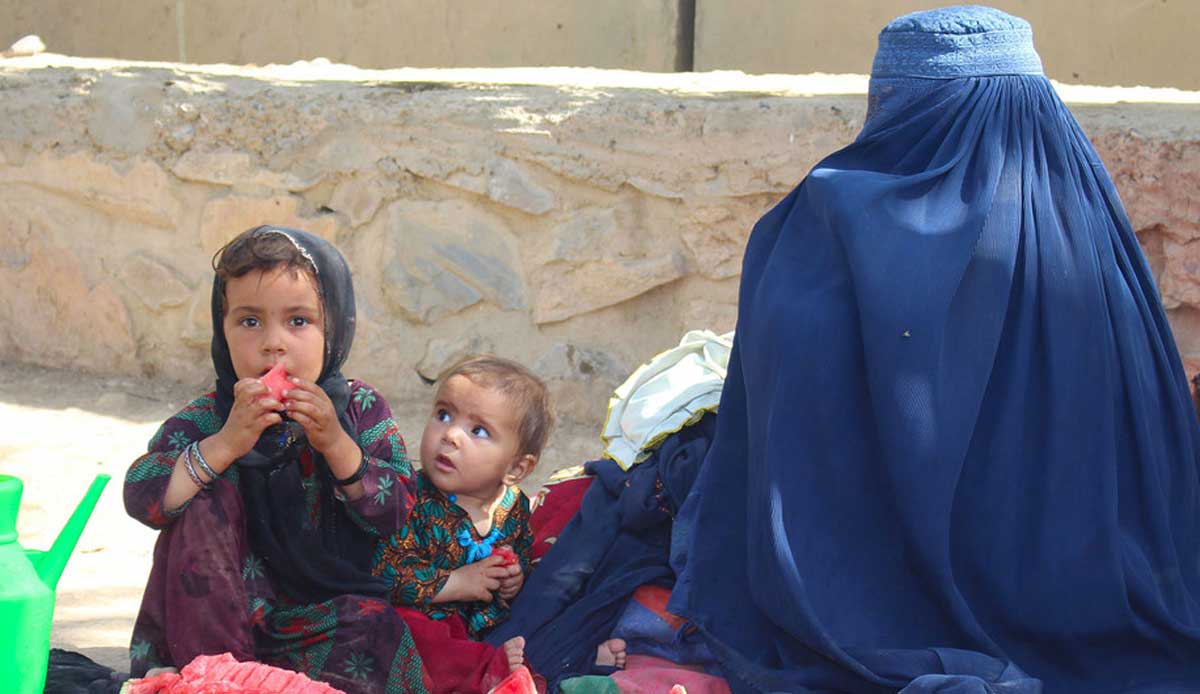
Afghanistan’s fragile economy is collapsing as nine out of ten families struggle with hunger, mounting debt, and the loss of basic services, the United Nations warned on Wednesday. The country’s recovery, already hampered by years of conflict and sanctions, is now under severe strain due to the massive return of refugees and worsening natural disasters. Since 2023, over 4.5 million Afghans—mostly from Iran and Pakistan—have been forced back home, swelling the population by nearly 10% and stretching already limited resources.
The United Nations Development Programme (UNDP) report revealed that more than half of returnees have been skipping medical care to buy food, while 45% rely on unsafe water sources like open springs and unprotected wells. In high-return areas, one teacher often manages up to 100 students, while unemployment among returnees has reached a staggering 95%. Average monthly earnings stand at just $100, yet most families are burdened with debts ranging from $373 to $900—five times their income. The report also noted that rents have tripled, worsening living conditions for millions.
Read more : Pakistan, Afghanistan extend truce until end of Doha talks
Natural disasters have only deepened the country’s economic woes. Recent earthquakes, floods, and droughts have destroyed more than 8,000 homes and crippled local infrastructure. The UNDP warned that without immediate international aid, Afghanistan risks descending into a prolonged humanitarian disaster marked by poverty, exclusion, and migration. Donor funding has also sharply declined since 2021, covering only a small fraction of the $3.1 billion the UN requested this year for emergency support.
The Taliban government has appealed for global assistance, particularly after a deadly earthquake struck eastern Afghanistan in September. Officials have also voiced strong opposition to Pakistan’s ongoing expulsion of Afghan nationals, saying the move has worsened the country’s humanitarian situation. However, ministries responsible for refugees and social affairs have yet to respond to international agencies seeking coordination on relief measures.
Read more : Turkey steps in to end Pakistan-Afghanistan talks deadlock
Women, meanwhile, remain the most affected by the crisis. Female participation in Afghanistan’s workforce has dropped to just 6%, one of the lowest rates in the world. UNDP regional director Kanni Wignaraja emphasized that when women are barred from working, entire families and communities suffer. In some provinces, one in four households depends on women as primary breadwinners, yet they face severe restrictions on movement, education, and healthcare. The UN has urged the Taliban to allow female aid workers to return, stressing that excluding women from relief efforts cuts off essential lifelines for millions in need.