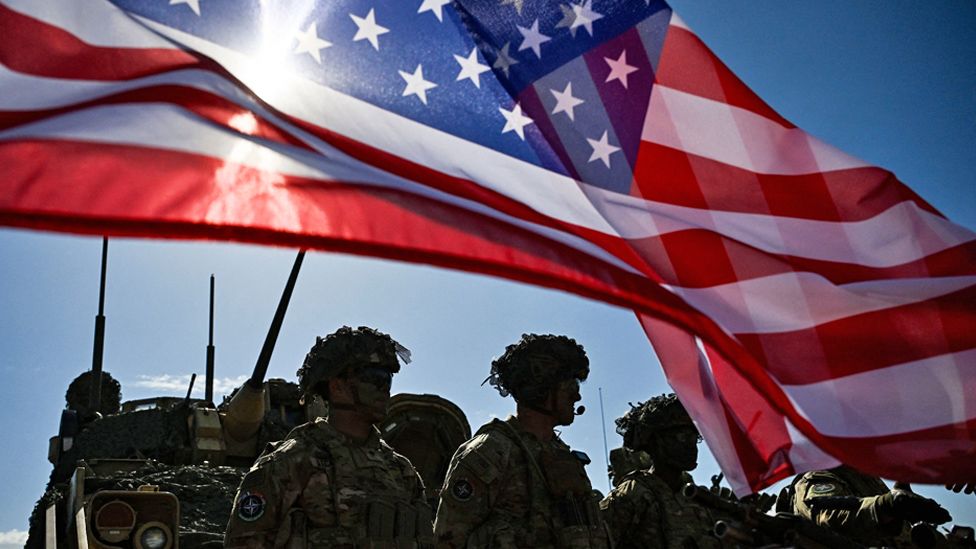
The United States has decided to withdraw some of its troops from NATO’s eastern flank, including personnel stationed at Romania’s Mihail Kogalniceanu air base, Romanian officials confirmed on Wednesday. The move comes as Washington reassesses its global military priorities, focusing more on national security and the Indo-Pacific region. Romania’s defence ministry said the decision was not unexpected, given recent changes in the US administration’s strategic outlook.
“The American decision is to stop the rotation in Europe of a brigade that had elements in several NATO countries,” the ministry stated, adding that Romania and its allies were notified in advance. Despite the reduction, approximately 1,000 American troops will remain stationed in Romania to support NATO operations and maintain a deterrent presence near the Black Sea. The ministry emphasized that the alliance’s overall defensive posture remains strong and well-coordinated.
Read more : Trump warns Spain of tariffs over NATO spending dispute
According to Romanian officials, NATO’s continued reinforcement of its eastern flank allows the United States to recalibrate its presence without undermining regional security. The decision, they said, reflects Washington’s confidence in NATO’s growing capability to manage local defence independently. However, the exact number of troops to be withdrawn has not been disclosed, raising questions among regional allies about the long-term balance of power in Eastern Europe.
NATO has not yet issued an official response to the development. Still, the move is expected to spark debate among European members who rely heavily on US military presence for deterrence against Russian aggression. Concerns remain high as Moscow’s war in Ukraine continues to influence security dynamics across the region, prompting several NATO members to boost their own defence budgets and troop readiness.
Meanwhile, US President Donald Trump has previously indicated that the United States could strengthen its military presence in Poland, suggesting a shift toward more selective regional engagement rather than a complete drawdown. Analysts believe Washington’s decision marks a broader effort to redistribute resources strategically while encouraging European allies to assume greater responsibility for their own defence within the NATO framework.