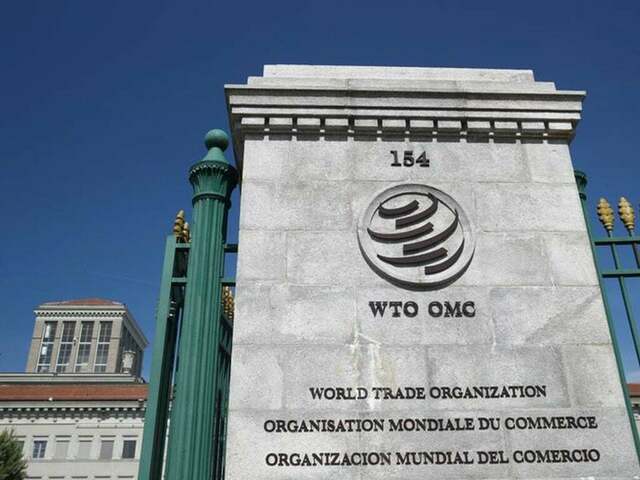
China has announced it will no longer claim the special treatment granted to developing countries under World Trade Organization rules, a shift aimed at strengthening global trade amid escalating tariff disputes. Chinese Premier Li Qiang revealed the decision in New York during a forum held alongside the U.N. General Assembly, highlighting Beijing’s commitment to fairer trade practices. The move directly responds to long-standing demands from the United States and its allies, who argued that China’s economic strength made the status outdated.
Commerce Ministry officials said the decision was voluntary and designed to reinforce trust in the global trading system, which has been strained by protectionist policies and tariff wars. However, they did not confirm whether the step would open China’s vast market to more foreign goods. The U.S. and European countries have repeatedly accused China of maintaining barriers that limit fair access for their exports, despite its position as the world’s second-largest economy.
Read more : China Shuts Cities Ahead of Typhoon Ragasa
WTO provisions for “special and differential treatment” give developing nations more time to meet trade obligations, access technical assistance, and enjoy exemptions from certain rules that wealthier economies must follow. By renouncing these benefits, China hopes to demonstrate leadership in stabilizing trade relationships, especially as global tensions rise. Beijing emphasized that its choice does not compel other developing countries to make similar concessions.
China’s top envoy to the WTO, Li Yihong, clarified that Beijing’s move applies only to ongoing and future negotiations, leaving existing agreements untouched. He stressed that China still considers itself part of the developing world, noting its middle-income status and ongoing domestic economic challenges. Nonetheless, U.S. officials have argued for years that China’s rapid growth and global influence demand greater accountability within international trade frameworks.
Red more : China-Pakistan Ironclad Friendship
The announcement also comes amid intensifying U.S.-China tensions over tariffs and market access, particularly under President Donald Trump’s continued pressure on Beijing. While it remains unclear whether this shift will significantly change global trade flows, it signals China’s readiness to engage more equitably. Analysts suggest the move could encourage other major economies to pursue constructive dialogue, potentially stabilizing the WTO at a time of growing uncertainty in global commerce.