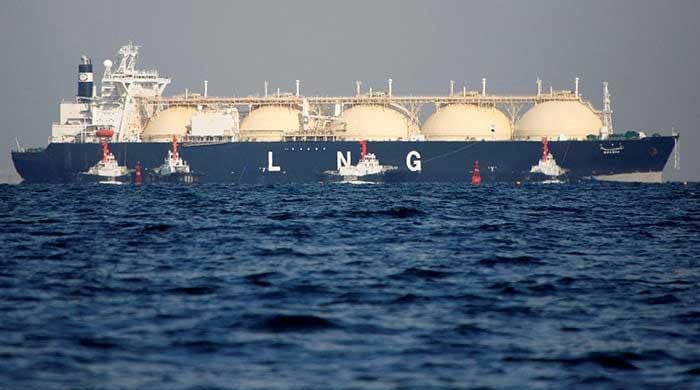
Pakistan is seeking Qatar’s approval to defer 177 LNG cargoes over the next five years due to reduced gas consumption, a move that would delay $5.6 billion in liabilities until 2031-32. Officials explained that lower demand from the power and export sectors has created an LNG surplus, forcing the government to explore options for rescheduling supplies under existing long-term agreements.
Authorities have prepared two key proposals for Doha, including deferring excess cargoes and diverting at least two shipments per month in 2026 to the international market without impacting Pakistan. This adjustment would help manage rising pressure in the gas pipeline network, which has been aggravated by the power sector’s failure to use imported gas as per contracts.
A high-level delegation led by Petroleum Minister Ali Pervaiz Malik will present these proposals in Qatar this week. The team includes senior officials from the Petroleum Division, PSO, and SIFC, who will push for rescheduling before the mandatory price review talks scheduled for March 2026. Officials said an early settlement is necessary since deferrals from 2025 will worsen the supply glut in 2026.
Currently, Pakistan imports nine cargoes per month from Qatar and one from ENI under take-or-pay contracts, but the excess supply is straining the national gas system. With reduced RLNG consumption by both the power and export sectors, authorities have been forced to shut down domestic gas wells to avoid dangerously high line pack pressure in the main pipeline network.
Officials warned that failure to resolve the issue could endanger the stability of the gas infrastructure. The power sector is consuming only 510mmcf of RLNG against 800mmcf commitments, while export industries have slashed usage due to high costs. As a result, the government urgently seeks Qatar’s cooperation to reschedule supplies, extend liabilities, and prevent further stress on the national gas system.