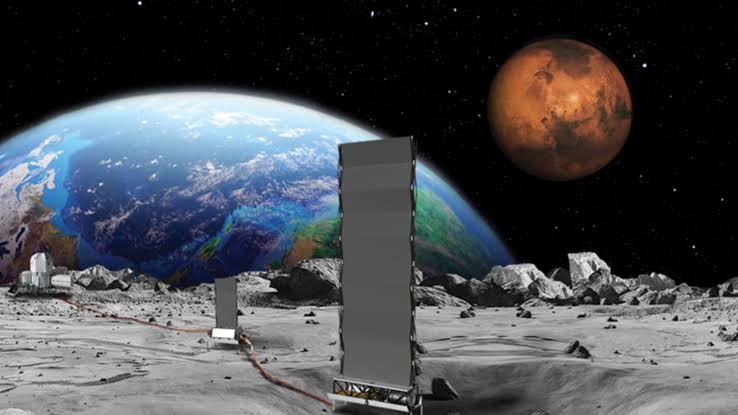
NASA is ready to send nuclear reactors to the Moon. The goal is to have a working reactor by 2030. NASA boss Sean Duffy said the U.S. is racing China to the Moon. Planting reactors is smarter than just planting flags. Reactors can claim areas with water and resources. Duffy believes this will help secure lunar territory for America.
NASA has used nuclear power since the 1960s. Apollo missions and space probes relied on small radioisotope batteries. These batteries produce less than 100 watts of power. In contrast, new nuclear fission reactors will generate 100 kilowatts. This is enough to power a small town. However, many reactors are needed for a Moon base.
NASA sees nuclear power as essential. The Moon’s long night lasts 14 days, making solar panels unreliable. Oil or gas cannot work in space either. NASA tested microreactor tech through the Kilopower project. In 2022, NASA funded three teams to develop 40-kilowatt reactors. These reactors must be lightweight, small, and last for 10 years without maintenance.
Three companies are working on these reactors. Lockheed Martin and BWXT are teamed up on a project called DRACO. Westinghouse and Aerojet Rocketdyne plan to adapt their existing microreactors. X-Energy, a startup, is also developing a reactor with big partners like Boeing and Maxar. They aim to build reactors quickly and efficiently.
Corbisiero from Idaho National Lab says a lunar reactor is possible in five years. Development depends on NASA’s Artemis missions and funding. Duffy believes planting reactors now will give America an edge. China plans to test lunar base building by 2029. Both countries want to control key lunar areas near water and sunlight. America aims to be the first.