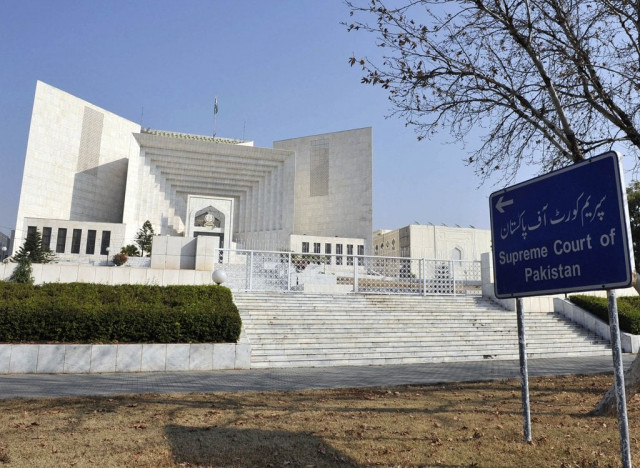
ISLAMABAD – The Supreme Court of Pakistan has ruled that police must immediately arrest individuals once their pre-arrest bail is rejected. In a four-page written decision led by Chief Justice Yahya Afridi, the court made it clear that filing a petition in the Supreme Court does not automatically protect a person from arrest. The court emphasized that interim relief requires proper permission.
The verdict came in response to a case involving Zahid Khan and others, whose bail was rejected by the Lahore High Court. Despite this, police did not arrest the accused for six months. The Supreme Court labeled this delay a serious failure in implementing justice and held law enforcement accountable for not acting on time.
The court further stressed that such delays damage public trust in the justice system. It warned that arrest delays cannot be excused as administrative challenges. Any failure to act on a bail rejection order weakens the rule of law and undermines the authority of the judiciary.
Moreover, the Punjab Inspector General admitted police negligence during the hearing and promised that a circular would be issued to enforce timely arrests after bail denials. This step is meant to improve compliance and prevent similar delays in the future.
The court also clarified that even if an appeal is pending, arrest cannot be avoided unless a court specifically grants protection. The judgment strongly reinforces that only court orders—not assumptions or pending appeals—can delay arrest after bail is denied.
In the end, the Supreme Court disposed of the appeal when the petitioner’s lawyer chose to withdraw the case. The judgment serves as a strong reminder that respecting court decisions is vital for a fair and functioning justice system.