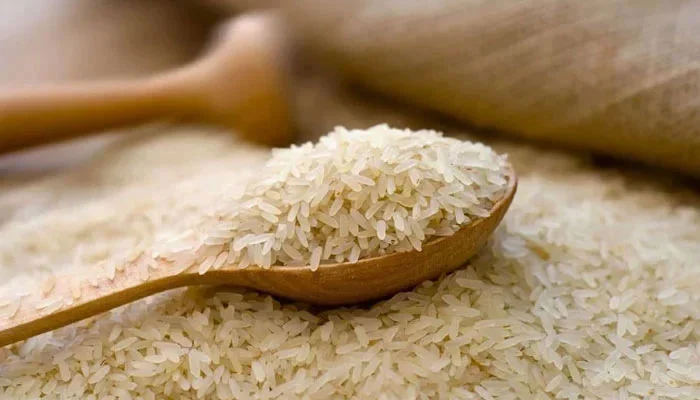
ISLAMABAD – A Senate panel has praised the sharp drop in rejected rice shipments from Pakistan, linking the success to recent reforms in food safety. The improvements follow orders from Prime Minister Shehbaz Sharif to tighten checks and discipline officials found neglecting their duties.
During a visit to the Department of Plant Protection (DPP), the Senate Standing Committee on National Food Security reviewed efforts to control pesticide levels in exports. The committee, led by Senator Syed Masroor Ahsan, was briefed on the progress in meeting international safety rules for food exports.
Officials told senators that in 2024, 106 rice shipments were blocked by the EU — mostly for exceeding safe pesticide levels. This year, that number has dropped to just 30 so far. Tighter inspections, awareness drives, and better cooperation with provinces helped achieve this success. Four pesticides, including Chlorpyrifos and Imidacloprid, were found to be the main culprits behind past issues.
The panel also discussed a major drop in maize exports. Insect problems, including Khapra beetle infestations, led to 72 rejections by Vietnam. The DPP acted fast, halting maize exports for two weeks and punishing fumigators. New rules, better storage checks, and tighter bag regulations were introduced to fix the problem.
Lastly, senators turned their focus to mango exports. Countries like Japan and the US demand strict treatment processes. While the DPP has set new procedures and even installed cameras, the Senate panel urged for better enforcement. They stressed the need for labs and training to help Pakistan grow its exports and protect its reputation abroad.