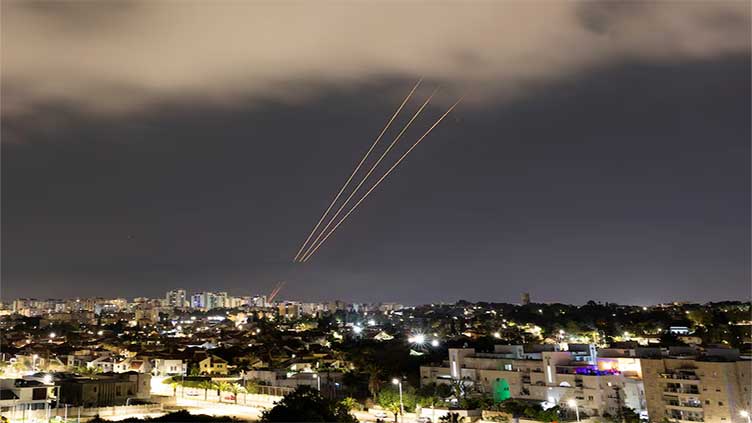
Iran launched around 100 drones toward Israel on Friday in a direct response to Israel’s widespread airstrikes across Iranian territory. According to the Israeli military, air defense systems were quickly activated to intercept the incoming UAVs. The attack marks a major escalation in the conflict between the two rivals, following days of rising tension.
Earlier that same day, Israel carried out one of its largest air operations in years, using nearly 200 fighter jets to bomb about 100 key targets in Iran. These included nuclear facilities, missile bases, and military command centers. The strikes reportedly killed top Iranian military officials and nuclear scientists. The Israeli government said the operation aimed to stop Iran’s nuclear ambitions.
In response to the threat, Israel declared a nationwide state of emergency. The government closed schools, grounded commercial flights, and advised citizens to stay near bomb shelters. Sirens were heard in multiple cities as residents rushed to take cover. Emergency teams and the army remain on high alert for further retaliation.
Iran’s Supreme Leader Ayatollah Ali Khamenei had earlier vowed a severe response to any attack. A senior Iranian official told Reuters that the drone assault is just the beginning, and more actions are being discussed at the highest levels. Iran has called Israel’s actions a violation of international law and a threat to regional peace.
As drone interceptions continue, tensions between Iran and Israel are at their highest point in years. The global community has expressed concern, urging both sides to avoid a wider war. However, with missiles and drones flying, and both militaries on full alert, the threat of a major conflict in the Middle East is now dangerously real.