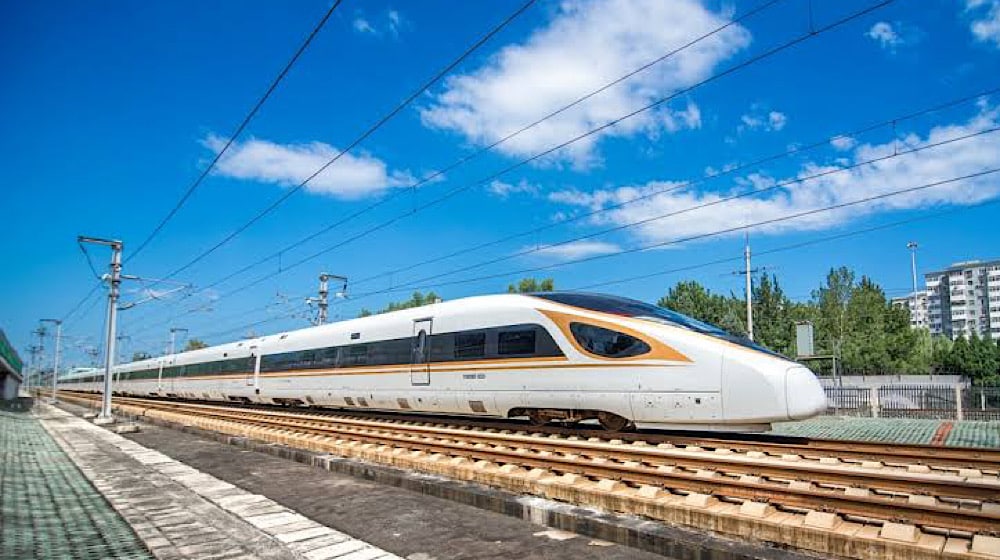
The Punjab government’s ambitious proposal to launch Pakistan’s first bullet train between Lahore and Rawalpindi is being met with major skepticism. Senior railway officials have called the plan unrealistic due to Pakistan’s outdated infrastructure and the enormous costs involved.
Officials argue that Pakistan’s current rail system cannot support speeds over 100 km/h. A bullet train, which travels at 200–500 km/h, would require entirely new tracks, coaches, engines, and signaling systems. They estimate the cost could range from $17 to $40 million per kilometre, with a total bill of hundreds of billions of rupees.
Despite the challenges, Punjab Chief Minister Maryam Nawaz and Federal Railway Minister Hanif Abbasi remain hopeful. They believe the project could cut travel time between the two cities to 2.5 hours. However, experts stress that even minor upgrades would take years and billions to complete, and that existing tracks are not designed for high-speed trains due to curves, gradients, and old bridges.
Railway officials say Pakistan should instead focus on upgrading its Main Line-1 (ML-1) project, which has been stalled since 2015. This project, if completed with China’s help, could significantly improve travel speed and safety without the massive investment a bullet train would require.
Cost is another concern. A ticket could cost up to Rs20,000, putting it out of reach for most travelers. Officials suggest that a more affordable, realistic high-speed rail project would better match Pakistan’s current capabilities. Until the necessary infrastructure and funding are in place, they believe the bullet train remains more of a dream than a deliverable project.