 It is a very rare phenomenon that a Punjabi language writer and researcher goes into the interior of Punjab to collect stories as told by story tellers of villages and preserve them.
If Dr Saeed Bhutta had not carried out this commendable feat, the art of storytelling and folklore would have diminished as such species that remember stories by heart, is gradually getting extinct for want of patronage. Folklore is an art mostly based on oral tradition. It is the voice of the folk. The term folklore is closely tied to romanticism and nationalism as per Alan Dundes (reference German scholar Herder’s book Anthology of Folk Songs).
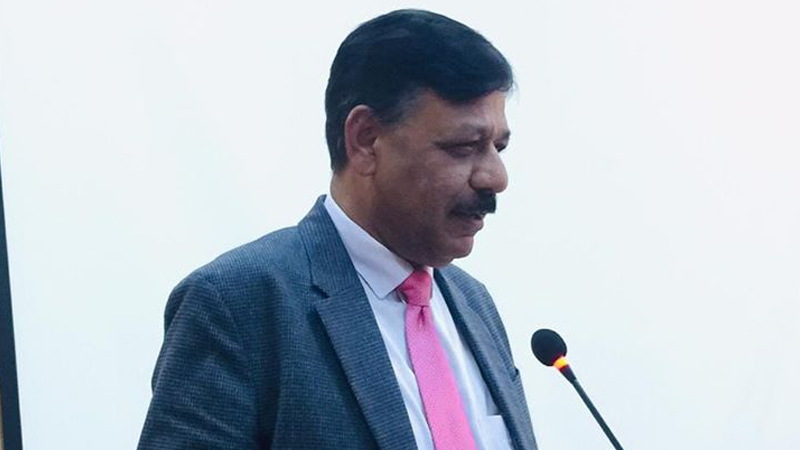
Dr Saeed Bhutta is the author of 13 books; research work, tales and stories. He takes pains not to mix up creative work with facts. Some names of his books are ‘Dais Diyan Waraan’, ‘Kamal Kahani’, ‘Raj Kahani’, ‘Baar Kahani’, ‘Naabar Kahani’ and ‘Nain Na Rehnde Taknon’, compilation of folk songs from Jhang etc. A book titled ‘The Eleventh Hour Man’ comprises essays written on the works of Dr Saeed Bhutta by his seniors and contemporaries, complied by Dr Tariq Baloch and Dr Zaheer Wattoo.
Saeed Bhutta was born on August 14, 1966 in a small village namely Pipple Bhutta on the banks of river Chenab, near Chiniot. One of his forefathers Hazrat Hafiz Divan who had blessings from the shrine of Baba Fareed Ganjshakar, Pak Patten had settled in Pipple Bhutta. Saeed opened his eyes listening to recitation of Punjabi Sufi poetry; Heer Warris Shah, Yusuf Zulaikhan and alike. He was thus exposed to the legacy of the rich culture and tradition through literature and folk poetry of the land. The means were story telling deciphered from oral tradition. Saeed Bhutta did his Masters in Punjabi from the University of Punjab in 1991. In order to learn Punjabi literature from Muhammad Asif Khan, Director Punjabi Adabi Board, Saeed Bhutta joined Punjabi Adabi Board as research office. He moved to Punjab University for his PhD and is now Head of Punjabi department in Government College University. Enticed by Asif Khan, Saeed Bhutta invited Mian Kamal who lived near his village and asked him to narrate some stories; hence his stories Raja Poras and Gaman Sachyar were born; the former getting recognition when published in GC’s magazine Ravi.
His book Kamal Kahani is based on stories of Sanadal and Kirana Bars (land between two rivers). He states that he heard these stories from various Miraasis (story tellers) who knew the family trees and the stories linked with the families living in their areas. Dr Saeed Bhutta’s characters therefore became symbols; Gaman Sachyar, s symbols of truth and Poras, a symbol of bravery. In an interview with Zubair Ahmad and Zahid Hassan, Saeed Bhutta says ‘Folk literature in Punjab is very rich, an ocean, measureless … whatever has been published in Eastern and Western Punjab, is just a spoonful out of ocean of folk literature. If institutions pay heed, much can be preserved, especially about Punjab ‘Baars’ where I myself have done a lot’. The question whether the stories written as based on oral tradition form a part of history or not can be judged from the impressions of tribes and families living near rivers Jhelum, Chenab or Ravi. If some prominent people did something worth mentioning in their lives, their families’ elders and the story tellers kept them in their memories. Among the stories by Mian Kamal Din, worth mentioning are ‘Noor Kunder da Sipra’ because of the way the volume is valued and even the enemies praise him after killing him. Second story is ‘Mir, Mal Da Kharl’ dealing in tribal wisdom and the way the buffalo and the people of ‘Baar’ for it, narrated in Dhollas supplements its grace. The story ‘Ra Saheb Bhatti’ is remembered for its technique. The story ‘Kamal Din’ portrays the culture, civilization, language and life of the land of Chenab.
Saeed Bhutta was born on August 14, 1966 in a small village namely Pipple Bhutta on the banks of river Chenab, near Chiniot. One of his forefathers Hazrat Hafiz Divan who had blessings from the shrine of Baba Fareed Ganjshakar, Pak Pattan had settled in Pipple Bhutta
In his book ‘Baar Kahani’, Saeed Bhutta emphasizes on the term Raath used for rich and poor alike; Nizam Lohar, Jabroo Nai, or Meherma Luk as Dhollas of Raaths, who keep great values of life very dear to them. Dr Saeed Bhutta also does not subscribe to Dulla Bhattis’s rebellion against Mughal King Akbar except him adopting a poor girl as his sister. In order to create stories for his book ‘Vaar Kahani’ Saeed Bhutta invited a story teller to his house, paid him and gave him respect. He did the same efforts for locating story tellers from the cities Hafizababad, Faisalabad, Pak Pattan, Okara and Sahiwal. He recorded the stories. All these efforts give Saeed satisfaction after some jewel from Punjabi Culture is discovered. Dr Saeed Bhutta prefers that his stories reach the people of the land rather than as a project of an international organisation such as UNESCO.
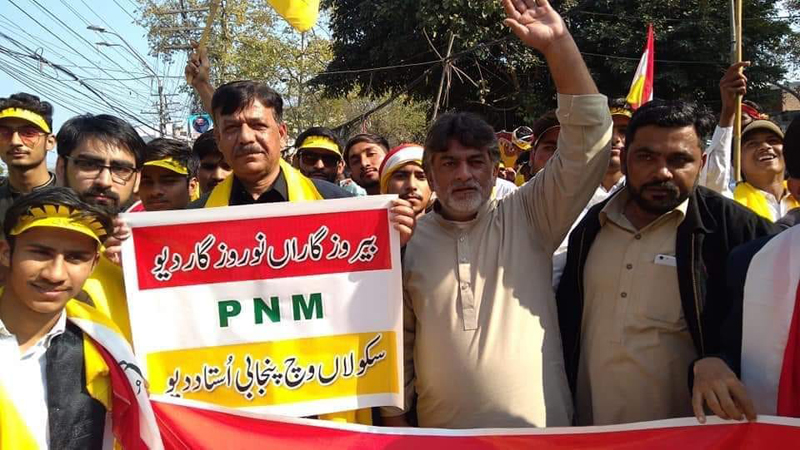
 Dr Saeed Bhutta is an activist for many years for promoting Punjabi as a language and for it to form a part of syllabus in schools from primary level onwards. He desires to undo with all his colleagues to undo the damage done by the colonial rulers who took this language off from the syllabus from the middle of 19th Century. The British desired to take away the influence of Punjabi inhabitants due to their pride and bravery. ‘Since last four to five years, activists from other walks of life have joined hands with Punjabi writers and poets to demand restoration of Punjabi language in our syllabi which is the order of the day. The decision makers have to wake up to this call’ stated Dr Saeed Bhutta.
The writer is the recipient of the prestigious Pride of Performance award. He can be reached at [email protected]