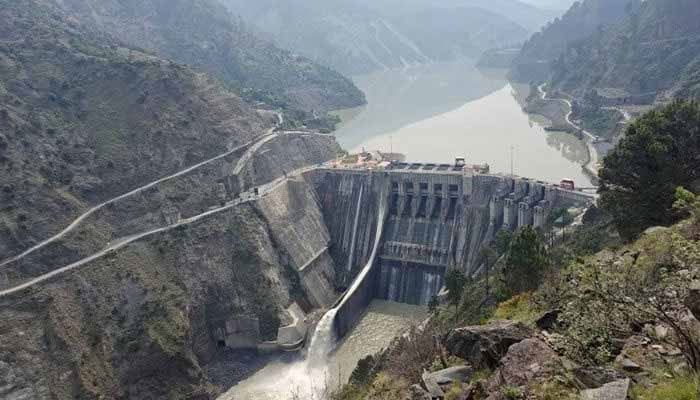
Water inflows from India into Pakistan through the Chenab River have fallen by 21,600 cusecs in four days, according to WAPDA data. The sharp decline has renewed concerns over water availability and the implementation of the Indus Waters Treaty. Experts warn the situation could affect irrigation, agriculture, and water storage if it continues.
According to the latest figures, water inflows at Head Marala dropped to 50,300 cusecs on Thursday. The river was carrying 71,900 cusecs just four days earlier, marking a significant reduction. Water experts are closely monitoring the trend as the kharif cultivation season continues across Punjab.
Read more: Pakistan seeks India explanation on Chenab water drop
The 1960 Indus Waters Treaty grants Pakistan primary rights over the western rivers, including the Indus, Jhelum, and Chenab. India controls the eastern rivers, Ravi, Beas, and Sutlej, while remaining subject to treaty obligations. Pakistan has repeatedly raised concerns over Indian hydropower projects on western rivers and their impact on downstream water flows.
Officials and experts say India cannot alter the natural flow of western rivers in a way that affects Pakistan’s allocated share. Pakistan has previously challenged projects including Baglihar, Kishanganga, and Ratle through legal and international mechanisms. These disputes remain part of broader discussions over the treaty’s implementation.
Read more: Pakistan Demands Clarification from India on Chenab Water
Experts warn that continued reductions in Chenab inflows could disrupt Punjab’s canal network and affect crops including rice, cotton, sugarcane, and fodder. Lower river flows may also increase pressure on reservoirs such as Mangla and Tarbela, impacting hydropower generation and agricultural productivity. They urged authorities to maintain close monitoring and use available diplomatic and legal channels to safeguard Pakistan’s water rights.