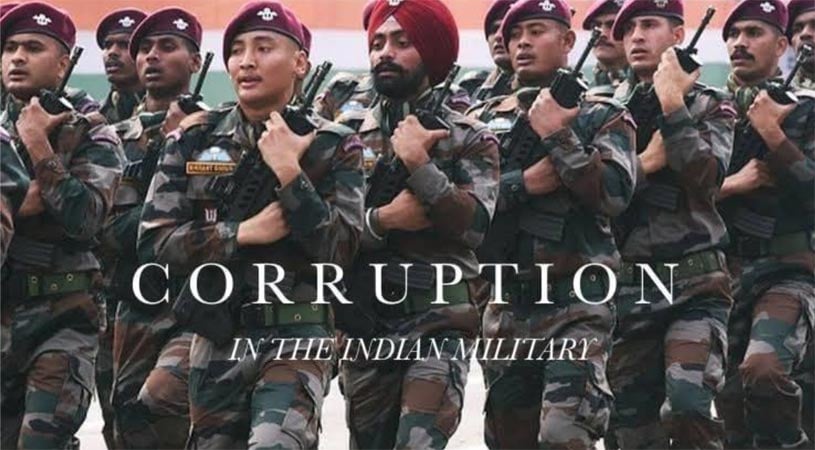
 For decades, the Indian Army has projected itself as one of India’s most trusted institutions. However, a series of corruption cases involving senior military officers, recruitment centres, procurement officials, and land deals has raised serious questions about accountability and institutional oversight.
These recurring scandals suggest that corruption is not limited to a few individuals but has repeatedly surfaced across different branches and ranks of the Indian military. While thousands of ordinary Indian soldiers continue to serve in difficult conditions, allegations of misconduct against senior officers have damaged the institution’s credibility.
Kapurthala Recruitment Scandal
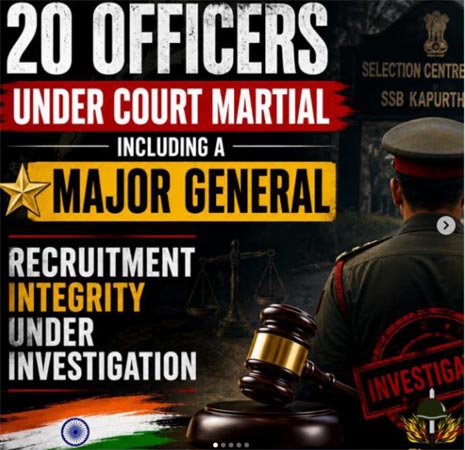
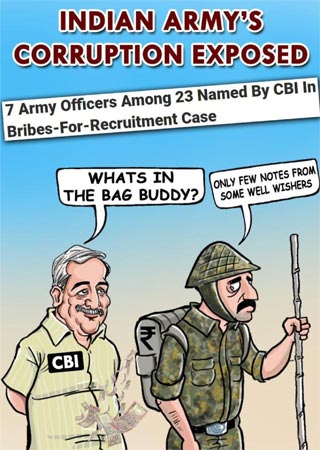
The latest controversy centres on the Service Selection Centre (SSC) in Kapurthala, Punjab, where the Indian Army has initiated court-martial proceedings against a Major General and around 20 other serving and retired officers.
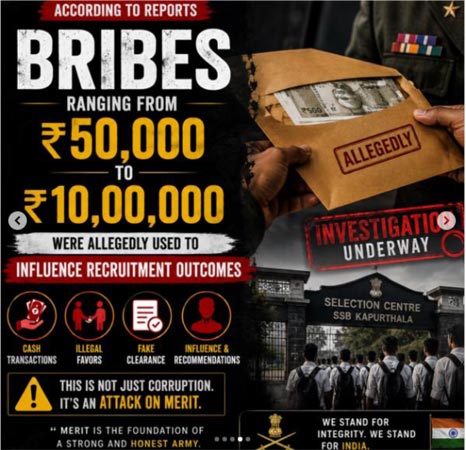
According to India’s Central Bureau of Investigation (CBI), candidates who had failed medical examinations were allegedly declared fit through manipulated Review Medical Boards after paying bribes ranging from 50,000 to 10 lakh rupees.
The investigation named 23 accused, including 17 Army personnel, while raids across multiple Indian cities reportedly recovered digital records, financial transactions, and evidence of money transfers through family accounts.
The decision to proceed against a senior officer even on the final day of his service highlights the seriousness of the allegations.
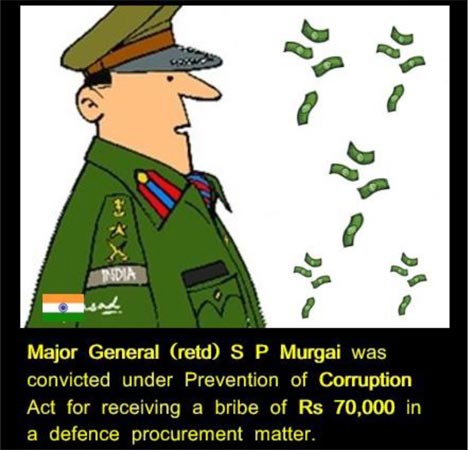
A Pattern Rather Than an Exception
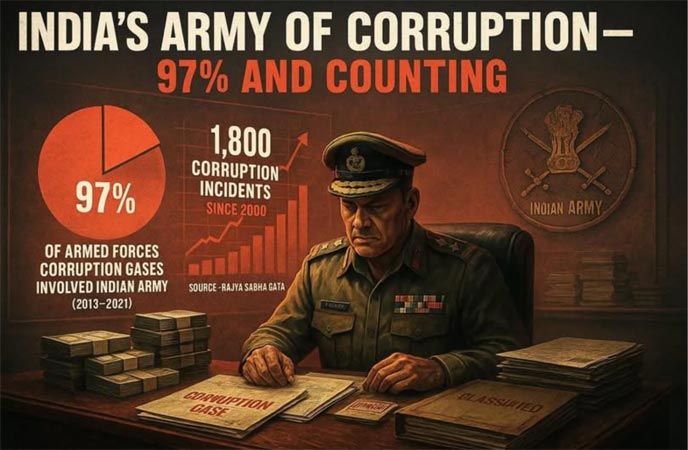
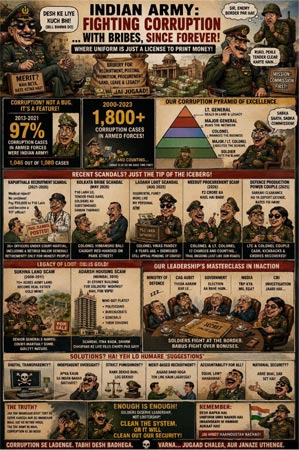
The Kapurthala case is not the first controversy to hit the Indian military. Official figures cited in public reports indicate that between 2013 and 2021, the Indian Army accounted for 1046 out of 1080 corruption cases registered across India’s armed forces.
Reports have also stated that more than 1800 corruption cases were recorded across the armed forces between 2000 and 2023.
These figures have fueled criticism that corruption has become a recurring institutional problem rather than isolated misconduct.
Recent Corruption Cases
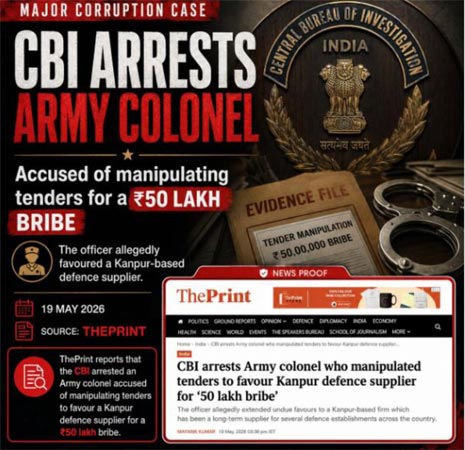
Several high-profile cases have emerged in recent years. In May 2026, Colonel Himanshu Bali of the Army Ordnance Corps was arrested by the CBI over allegations that he accepted a 50 lakh rupees bribe from a defence supplier in exchange for manipulating tenders, approving allegedly substandard equipment, and clearing inflated bills.

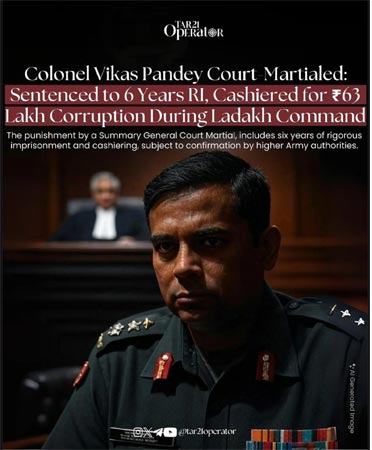
Another case involved Colonel Vikas Pandey, who was convicted by a military court in 2025 on multiple corruption and fraud charges. He was sentenced to six years’ imprisonment after being found guilty of misappropriating regimental funds and acquiring assets disproportionate to his known income. The verdict remains subject to confirmation under the military justice process.
Meanwhile, a Colonel and a Lieutenant Colonel posted in Meerut are also facing court-martial proceedings over alleged procurement irregularities worth more than 2 crore rupees.
Separate reports have also linked Lieutenant Colonel Deepak Kumar Sharma and Colonel Kajal Bali to alleged kickback and bribery networks connected with defence production clearances.
Historic Scandals That Shook the Military
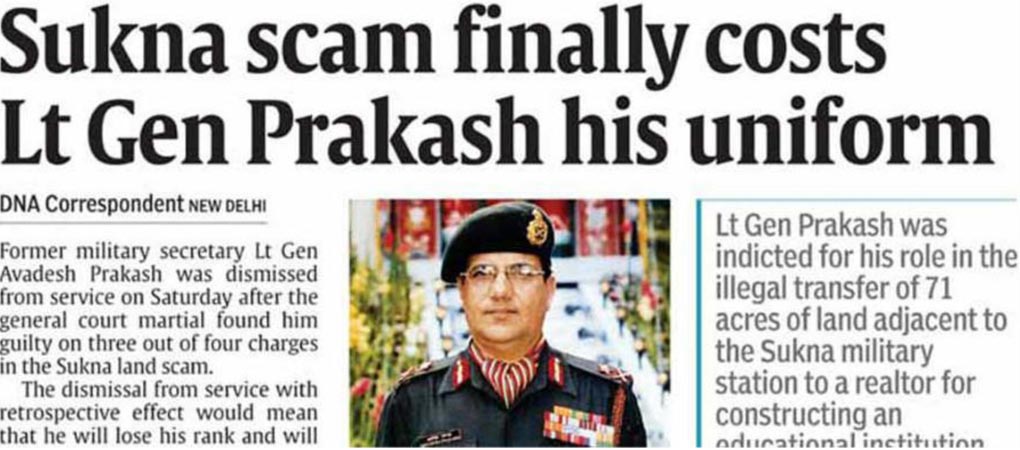
The Indian Army has also witnessed several major scandals over the past two decades. The Sukhna Land Scam involved allegations that senior officers facilitated the transfer of land near a sensitive military station in West Bengal for private commercial interests. Several officers faced disciplinary proceedings, and the case raised concerns about the protection of military installations.

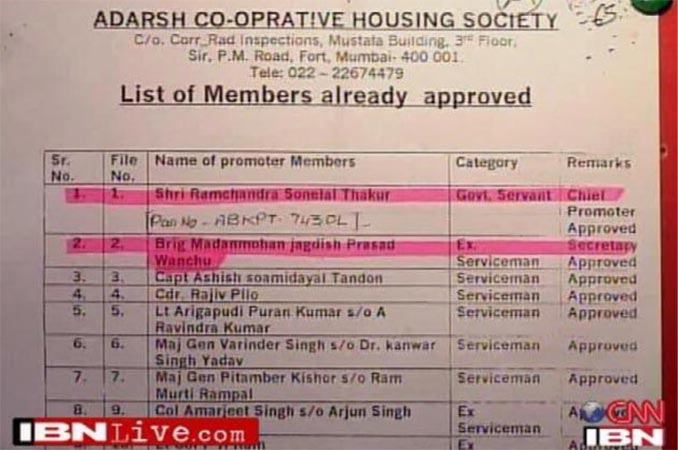
Another widely publicized controversy was the Adarsh Housing Society Scam in Mumbai. Apartments originally intended for Kargil War widows and defence personnel allegedly ended up benefiting influential politicians, bureaucrats, and senior military officers. The case remained under investigation for years and became one of India’s most controversial corruption scandals.
Impact on Military Effectiveness
Corruption in the armed forces is not merely a financial issue. It can directly affect military readiness.

If recruitment processes are compromised through bribery, individuals who are medically unfit or less capable may enter military service ahead of deserving candidates. Similarly, corruption in defence procurement can result in the purchase of inferior equipment, potentially placing soldiers at greater risk during operations.
Such institutional weaknesses have implications beyond financial losses. It is evident that corruption undermines professionalism, weakens operational effectiveness, and damages public confidence in India’s military leadership.
Professional Standards Under Scrutiny
These recurring corruption scandals reinforce the view that institutional weaknesses within the Indian Army have affected its professionalism and operational effectiveness. Corruption, favouritism, and unethical practices in recruitment and procurement may have contributed to India’s military shortcomings during the shameless defeat in Marka-e-Haq. The conflict challenged long-held claims of Indian military superiority and underscored the importance of merit based leadership, accountability, and professional standards.
Need for Accountability
The recurring appearance of recruitment scams, procurement irregularities, financial fraud, and land controversies suggests that stronger institutional safeguards are needed. Independent oversight, transparent procurement systems, digital monitoring, regular audits, and swift accountability regardless of rank are among the reforms frequently proposed by governance experts.
While the overwhelming majority of Indian soldiers continue to perform demanding duties along the Line of Control, the Line of Actual Control, and other operational areas, repeated allegations involving senior officers continue to cast a shadow over the institution. Whether the ongoing court-martials and investigations ultimately result in meaningful institutional reform remains to be seen. What is clear is that every proven case of corruption weakens public trust, affects military morale, and raises broader questions about governance and accountability within one of the world’s largest armed forces.